Post by : Saif
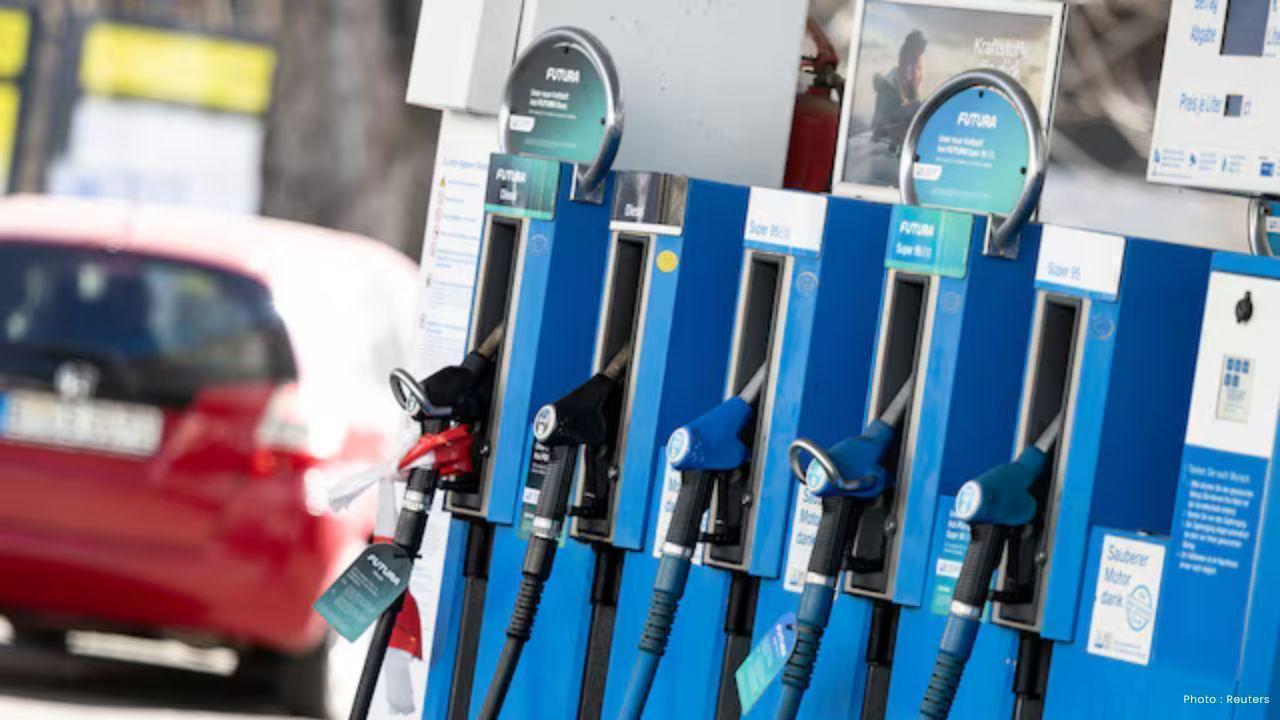
Leaders across the European Union are racing to find solutions to rising energy prices after the ongoing conflict involving Iran sent shockwaves through global oil and gas markets. Governments fear that the sudden jump in fuel costs could place heavy pressure on businesses, households, and the overall economy in Europe.
Energy prices in Europe have increased sharply since the conflict began. Market data shows that European natural gas prices have risen significantly in recent weeks as investors worry about possible supply disruptions. The situation has forced policymakers in Brussels to consider emergency measures to limit the impact of rising costs.
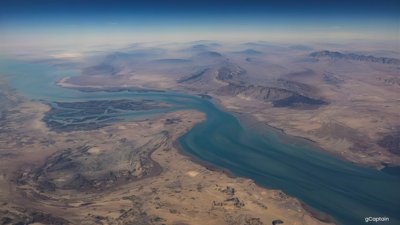
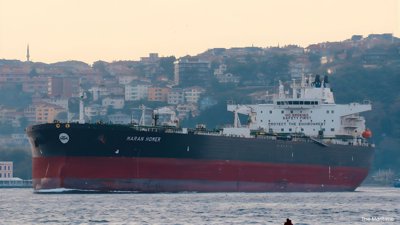
One of the biggest concerns is the safety of shipping routes in the Middle East, especially the Strait of Hormuz. This narrow waterway connects the Persian Gulf to the open ocean and is one of the most important oil transport routes in the world. A large portion of global oil and liquefied natural gas passes through this channel every day. If shipments are interrupted, energy supplies around the world could be affected.
Because Europe imports a large amount of its oil and gas, any disruption in the region can quickly increase prices across the continent. Officials fear that if the conflict continues or spreads further, the cost of energy could rise even more.
European policymakers are now discussing several possible actions to reduce the pressure. One idea is to allow governments to provide temporary financial help to companies that are struggling with high energy costs. Another option is to adjust energy taxes or fees so that businesses and consumers pay less for fuel and electricity during the crisis.
Some countries are also pushing for changes to the European carbon market, which places a price on carbon emissions. The goal of this system is to encourage cleaner energy use, but some governments argue that adjustments may be needed if energy prices continue to rise sharply.
A few leaders have suggested the possibility of placing limits on gas prices. Supporters believe this could help prevent sudden spikes that push electricity bills higher. However, other countries worry that price caps could interfere with the normal functioning of energy markets.
Ursula von der Leyen, president of the European Commission, has said that the EU must carefully balance short-term support with long-term energy goals. She warned that returning to old energy dependencies could create new risks for Europe in the future.
Several governments, including Italy, have called for stronger temporary measures to protect industries that rely heavily on electricity and fuel. Manufacturing companies, chemical producers, and agricultural businesses are among those most affected by rising energy costs.
When energy prices increase, the impact spreads through the entire economy. Factories must spend more money on production, transportation becomes more expensive, and companies often raise prices for their goods. As a result, consumers may end up paying more for everyday products.
Economists warn that prolonged energy price increases could slow economic growth across Europe. If companies reduce production because of higher costs, it could also affect employment and investment in some industries.
The current situation reminds many people of the energy crisis that followed the Russian invasion of Ukraine in 2022. At that time, natural gas prices in Europe reached record levels after supplies from Russia were sharply reduced.
In response to that earlier crisis, the EU launched several programs to strengthen its energy security. One of the most important initiatives is REPowerEU, a plan designed to increase renewable energy, improve efficiency, and reduce dependence on imported fossil fuels.
Despite these efforts, the latest crisis shows that Europe still remains sensitive to global energy disruptions. Conflicts in major energy-producing regions can quickly influence prices in international markets.
Energy experts say the war involving Iran is another reminder of how closely global energy systems are connected to political events. When tensions rise in key oil and gas regions, markets often react immediately.
International organizations have also warned that heavy dependence on fossil fuels makes many economies vulnerable to sudden geopolitical shocks. Expanding renewable energy and strengthening local supply systems could help reduce these risks over time.
European leaders are expected to continue discussing the issue at upcoming meetings, where they will review both short-term emergency policies and long-term energy strategies. The aim is to protect consumers and businesses while also keeping the EU’s climate goals on track.
For now, the situation remains uncertain. Much will depend on how the conflict in the Middle East develops and whether global energy supply routes remain stable.
As the crisis unfolds, governments across Europe are trying to act quickly to prevent energy costs from placing too much strain on the region’s economy. The coming weeks will be crucial as leaders work together to stabilize markets and ensure that energy remains affordable for citizens and industries alike.
#trending #latest #EU #EnergyCrisis #IranWar #GlobalEnergy #OilMarkets #GasPrices #EuropeanUnion #EnergySecurity #WorldEconomy #armustnews




Advances in Aerospace Technology and Commercial Aviation Recovery
Insights into breakthrough aerospace technologies and commercial aviation’s recovery amid 2025 chall

Defense Modernization and Strategic Spending Trends
Explore key trends in global defense modernization and strategic military spending shaping 2025 secu

Tens of Thousands Protest in Serbia on Anniversary of Deadly Roof Collapse
Tens of thousands in Novi Sad mark a year since a deadly station roof collapse that killed 16, prote

Canada PM Carney Apologizes to Trump Over Controversial Reagan Anti-Tariff Ad
Canadian PM Mark Carney apologized to President Trump over an Ontario anti-tariff ad quoting Reagan,

The ad that stirred a hornets nest, and made Canadian PM Carney say sorry to Trump
Canadian PM Mark Carney apologizes to US President Trump after a tariff-related ad causes diplomatic

Bengaluru-Mumbai Superfast Train Approved After 30-Year Wait
Railways approves new superfast train connecting Bengaluru and Mumbai, ending a 30-year demand, easi



