Post by : Avinab Raana
Photo : X / @ColbyBadhwar
The global defence landscape is undergoing a significant transformation as military spending and weapons procurement accelerate across continents. According to the latest analysis by the Stockholm International Peace Research Institute, the global arms trade is experiencing a shift driven by geopolitical tensions, security concerns, and military modernization efforts. At the centre of this evolving market stands the United States, which has firmly cemented its dominance as the world’s leading arms exporter. The report highlights a growing divide between major defence suppliers, with the United States expanding its influence while some traditional exporters face declining market share. The findings underline how defence exports are not merely commercial transactions but strategic tools that shape global alliances and military power balances.
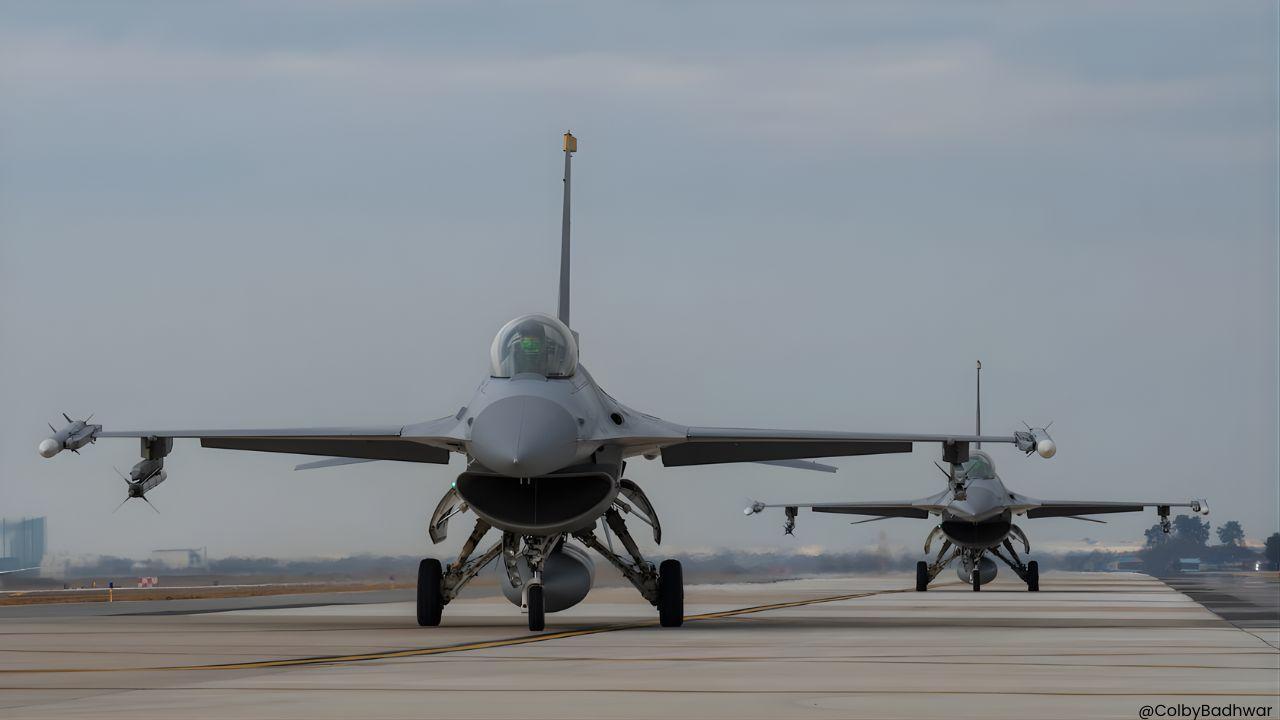
The United States now accounts for a dominant share of international arms transfers, significantly outpacing other defence exporters. The country’s extensive defence manufacturing ecosystem, combined with strong military alliances, has enabled it to secure long-term supply contracts across multiple regions. American defence companies continue to lead in the production of advanced fighter aircraft, missile defence systems, drones, and naval platforms. These high-technology systems are in strong demand among allied nations seeking to modernize their armed forces and enhance their strategic deterrence capabilities. A key factor behind the growth of US arms exports SIPRI is the increasing reliance of allied countries on American military technology. Many defence partnerships involve not only the purchase of equipment but also training, logistical support, and long-term maintenance agreements, creating deep and lasting military relationships.
One of the most striking developments in the report is the surge in defence demand across Europe. Countries across the continent have accelerated military procurement programs as governments reassess their security strategies in response to rising geopolitical tensions.The increase in European defence spending has translated into a sharp rise in weapons imports. Many European nations are investing heavily in air defence systems, combat aircraft, armored vehicles, and surveillance technology to strengthen their military capabilities.For American defence suppliers, this shift has created significant export opportunities. The United States has emerged as a key provider of advanced military systems to European allies seeking to enhance interoperability with NATO forces and strengthen regional security frameworks.
Another major trend shaping the global defence market is the sharp decline in Russia’s position as a leading arms exporter. For decades, Russia maintained a strong presence in the global weapons trade, supplying military equipment to numerous countries across Asia, Africa, and the Middle East. However, the latest analysis indicates that Russia’s share of global arms exports has fallen significantly. Several factors have contributed to this decline, including geopolitical tensions, economic constraints, and the reallocation of defence production toward domestic military needs. As a result, many countries that previously relied on Russian equipment are exploring alternative suppliers, creating new opportunities for Western and Asian defence manufacturers.
While the United States continues to dominate the global weapons exports landscape, other countries are gradually expanding their presence in the international defence market. France has strengthened its position as a leading exporter of advanced fighter jets and naval systems, while countries such as South Korea, Israel, and Turkey are rapidly growing their defence manufacturing capabilities. These emerging exporters are focusing on competitive pricing, flexible technology partnerships, and locally produced military equipment to attract buyers. Their rise reflects a broader diversification of the global arms market, even as the United States maintains its overwhelming lead.
Despite the surge in European demand, Asia and the Middle East continue to play a crucial role in the international arms transfers market. Countries in these regions are investing heavily in defence modernization programs to address evolving security challenges and regional rivalries. Advanced fighter aircraft, missile defence systems, and naval platforms remain among the most sought-after military assets. Many governments are also prioritizing next-generation technologies such as unmanned systems, cyber defence capabilities, and integrated battlefield networks. For global defence suppliers, these regions represent long-term strategic markets where military procurement programs are expected to expand significantly in the coming decades.
The dominance of US arms exports SIPRI reflects more than just industrial capacity, it highlights the strategic role of defence exports in shaping international alliances. Weapons transfers often strengthen diplomatic ties, security cooperation, and military interoperability between nations. By supplying advanced defence systems to allied countries, exporting nations can reinforce long-term strategic partnerships. These relationships often extend beyond equipment sales to include joint training programs, intelligence cooperation, and defence research initiatives. This interconnected framework ensures that the global arms trade remains closely tied to broader geopolitical strategies.
The latest defence market trends suggest that global arms transfers are likely to remain strong in the coming years. Rising geopolitical tensions, ongoing regional conflicts, and rapid technological advancements are driving sustained investment in military capabilities. As countries seek to modernize their armed forces, the demand for advanced defence systems is expected to grow steadily. The United States, with its technological edge and extensive alliance network, appears well positioned to maintain its leadership in the global arms trade. However, the increasing emergence of new defence exporters and the evolving security landscape indicate that the global arms market will continue to shift and adapt. In this rapidly changing environment, arms exports will remain a powerful instrument of both economic influence and geopolitical strategy.
#trending #latest,US arms exports SIPRI, global arms trade 2025, international arms transfers, defence industry market, global weapons exports, military modernization programs, defence market trends, global fighter jet exports








Advances in Aerospace Technology and Commercial Aviation Recovery
Insights into breakthrough aerospace technologies and commercial aviation’s recovery amid 2025 chall

Defense Modernization and Strategic Spending Trends
Explore key trends in global defense modernization and strategic military spending shaping 2025 secu

Tens of Thousands Protest in Serbia on Anniversary of Deadly Roof Collapse
Tens of thousands in Novi Sad mark a year since a deadly station roof collapse that killed 16, prote

Canada PM Carney Apologizes to Trump Over Controversial Reagan Anti-Tariff Ad
Canadian PM Mark Carney apologized to President Trump over an Ontario anti-tariff ad quoting Reagan,

The ad that stirred a hornets nest, and made Canadian PM Carney say sorry to Trump
Canadian PM Mark Carney apologizes to US President Trump after a tariff-related ad causes diplomatic

Bengaluru-Mumbai Superfast Train Approved After 30-Year Wait
Railways approves new superfast train connecting Bengaluru and Mumbai, ending a 30-year demand, easi



