Post by : Avinab Raana
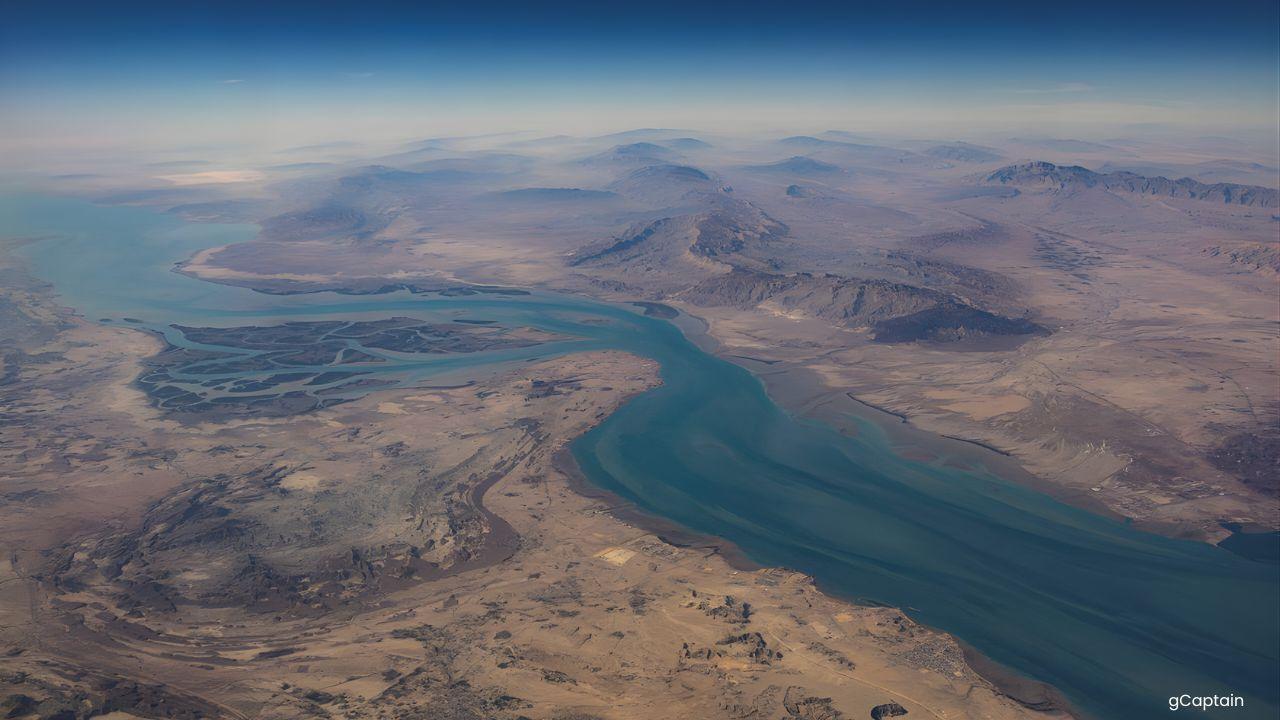
Photo : X / gCaptain
Iran is reportedly making uninterrupted use of the Strait of Hormuz, one of the most strategically vital maritime corridors in the world. The narrow waterway, which connects the Persian Gulf to the Arabian Sea, remains a lifeline for global energy shipments. Despite rising geopolitical tensions and heightened military activity in the region, Iranian vessels and selected commercial ships have continued transiting the strait without major interruption, underscoring Tehran’s continued operational presence in the area.
The Strait of Hormuz maritime traffic plays a central role in the global energy supply chain. A significant share of the world’s crude oil and liquefied natural gas shipments pass through this narrow maritime corridor every day. Tankers departing from major Gulf producers including Saudi Arabia, Iraq, Kuwait, Qatar, and the United Arab Emirates must navigate this route before heading toward energy markets in Asia, Europe, and beyond. Because of its importance to international energy flows, the strait has long been considered one of the most sensitive maritime chokepoints in global trade.
Iran’s continued activity in the strait highlights its geographic and strategic influence over this critical passage. Positioned along the northern coast of the waterway, the country maintains significant oversight of maritime movement through the corridor. The ability to operate freely within the strait reinforces Iran’s position as a key stakeholder in the security and management of one of the world’s busiest energy shipping routes. The development also demonstrates how maritime access in the region remains closely tied to broader geopolitical dynamics.
Shipping operators and energy traders are carefully monitoring developments in the Hormuz energy corridor, where even minor disruptions can have global consequences. Tanker operators navigating the region typically conduct detailed risk assessments before entering the strait, especially during periods of heightened regional tensions. Insurance costs, security escorts, and route planning are all influenced by conditions in the strait, making stability in the area a top priority for the international shipping industry.
The global energy market remains highly sensitive to any developments affecting tanker traffic in the global oil shipping route through the Strait of Hormuz. Even the perception of instability can influence oil prices, freight costs, and energy supply planning. Countries that depend heavily on imported energy closely track maritime activity in the corridor, as any disruption could affect supply reliability and transportation timelines.
Few maritime passages carry as much strategic weight as the Strait of Hormuz. Its narrow geography means that any interference with navigation could immediately disrupt global shipping flows. For this reason, the corridor has historically attracted international attention from naval forces, maritime regulators, and global energy companies. Maintaining safe and uninterrupted passage through the strait remains essential for both regional stability and the functioning of international energy markets.
As geopolitical tensions in the Middle East continue to evolve, the status of shipping through the Strait of Hormuz maritime traffic will remain under intense global scrutiny. Iran’s ability to operate freely in the corridor highlights the complex balance of power that shapes maritime activity in the region. For the shipping and energy industries, the strait will remain a focal point of strategic importance, where political developments and maritime operations intersect to influence the movement of vital global resources.
#trending #latest, Iran Strait of Hormuz shipping, Strait of Hormuz maritime traffic, global oil shipping route, Hormuz energy corridor, Iran maritime control Hormuz, tanker traffic Strait of Hormuz, global energy shipping security




Advances in Aerospace Technology and Commercial Aviation Recovery
Insights into breakthrough aerospace technologies and commercial aviation’s recovery amid 2025 chall

Defense Modernization and Strategic Spending Trends
Explore key trends in global defense modernization and strategic military spending shaping 2025 secu

Tens of Thousands Protest in Serbia on Anniversary of Deadly Roof Collapse
Tens of thousands in Novi Sad mark a year since a deadly station roof collapse that killed 16, prote

Canada PM Carney Apologizes to Trump Over Controversial Reagan Anti-Tariff Ad
Canadian PM Mark Carney apologized to President Trump over an Ontario anti-tariff ad quoting Reagan,

The ad that stirred a hornets nest, and made Canadian PM Carney say sorry to Trump
Canadian PM Mark Carney apologizes to US President Trump after a tariff-related ad causes diplomatic

Bengaluru-Mumbai Superfast Train Approved After 30-Year Wait
Railways approves new superfast train connecting Bengaluru and Mumbai, ending a 30-year demand, easi



