Post by : Avinab Raana
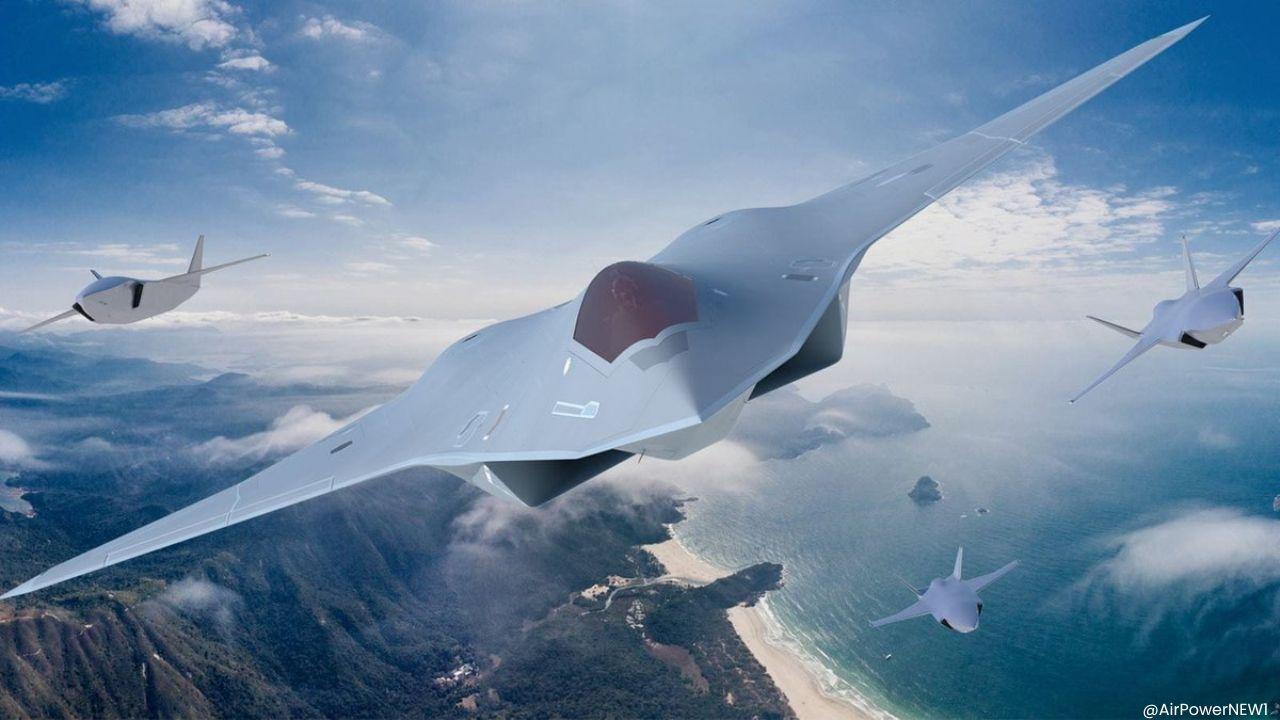
Photo : X / @AirPowerNEW1
As global air forces accelerate the development of sixth-generation combat aircraft, propulsion technology is emerging as one of the most critical factors shaping the future of air combat. Pratt & Whitney is developing an advanced adaptive engine designed specifically for next-generation fighter jets, a propulsion system expected to deliver significant improvements in thrust, efficiency, and onboard power generation.
Modern fighter aircraft are evolving into highly complex combat platforms that integrate advanced radar systems, electronic warfare suites, network-centric communications, and potentially directed-energy weapons. These capabilities demand far more power and cooling capacity than current fighter jet engines can provide, making new propulsion technologies essential for future aircraft.
Traditional fighter jet engines operate using a two-stream turbofan design that balances fuel efficiency and thrust output. While this design has powered combat aircraft for decades, it forces engineers to compromise between range and performance.
Adaptive cycle engines introduce a third airflow stream, allowing the engine to dynamically adjust its operating mode during flight. When efficiency is required, the engine can direct airflow to maximize fuel economy and extend operational range. During combat or high-speed manoeuvres, airflow can be redirected to increase thrust and deliver maximum power. This ability to switch performance modes provides fighter aircraft with greater mission flexibility and significantly improves overall operational capability.
One of the most important advantages of adaptive engine technology is its potential to dramatically increase aircraft range. Future fighter jets equipped with adaptive propulsion could travel significantly longer distances without refuelling, a critical advantage in modern air operations where strategic missions often cover vast geographic regions.
Higher thrust output also improves acceleration, climb rate, and manoeuvrability. These factors are essential during aerial combat, where the ability to respond quickly and maintain energy during manoeuvres can determine tactical superiority. By combining extended range with enhanced performance, adaptive engines could redefine the operational envelope of next-generation fighter aircraft.
Future fighter jets will function as airborne data hubs capable of operating advanced sensors, electronic warfare systems, and high-powered communication networks simultaneously. These technologies require enormous amounts of electrical power and produce significant heat during operation.
Adaptive engines are being designed with advanced thermal management and energy generation capabilities to support these systems. By generating greater electrical output while efficiently dissipating heat, the engine can supply power to onboard systems without compromising aircraft performance. This capability will be particularly important as militaries explore technologies such as laser-based defensive systems and other high-energy weapons.
The development of adaptive propulsion systems is being supported by advanced digital engineering techniques. Engineers are using sophisticated modeling and simulation tools to test engine performance under thousands of different operating conditions before physical prototypes are produced.
This digital design approach allows engineers to optimize engine performance, improve reliability, and accelerate development timelines. It also enables close coordination with suppliers responsible for manufacturing complex components such as turbine blades, compressors, and cooling systems.
Through this collaborative development process, the adaptive engine program is progressing toward creating a propulsion system capable of powering future air-dominance aircraft.
Air forces around the world are investing heavily in sixth-generation fighter programs that will eventually replace current fifth-generation aircraft. These future platforms are expected to operate in highly contested environments, requiring superior speed, range, and sensor capabilities.
Adaptive propulsion systems are emerging as a cornerstone of these next-generation aircraft designs. By delivering higher efficiency, increased thrust, and greater energy management capacity, the technology could significantly enhance the operational effectiveness of future combat aircraft.
The Pratt & Whitney adaptive engine represents one of the most advanced propulsion concepts currently under development in military aviation. As fighter aircraft evolve into highly integrated combat systems, propulsion technology must keep pace with the growing demands placed on these platforms.
If successfully deployed, adaptive cycle engines could redefine the performance standards of military aircraft, enabling longer missions, greater combat capability, and enhanced integration of advanced technologies.
The development of this engine signals the beginning of a new era in fighter jet propulsion—one where flexibility, efficiency, and power management become just as important as raw thrust in shaping the future of air combat.
#trending #latest, Pratt & Whitney adaptive engine, future fighter jet engine, adaptive cycle engine technology, sixth generation fighter propulsion, next generation fighter jet power systems, advanced fighter propulsion technology, military aircraft engine innovation






Advances in Aerospace Technology and Commercial Aviation Recovery
Insights into breakthrough aerospace technologies and commercial aviation’s recovery amid 2025 chall

Defense Modernization and Strategic Spending Trends
Explore key trends in global defense modernization and strategic military spending shaping 2025 secu

Tens of Thousands Protest in Serbia on Anniversary of Deadly Roof Collapse
Tens of thousands in Novi Sad mark a year since a deadly station roof collapse that killed 16, prote

Canada PM Carney Apologizes to Trump Over Controversial Reagan Anti-Tariff Ad
Canadian PM Mark Carney apologized to President Trump over an Ontario anti-tariff ad quoting Reagan,

The ad that stirred a hornets nest, and made Canadian PM Carney say sorry to Trump
Canadian PM Mark Carney apologizes to US President Trump after a tariff-related ad causes diplomatic

Bengaluru-Mumbai Superfast Train Approved After 30-Year Wait
Railways approves new superfast train connecting Bengaluru and Mumbai, ending a 30-year demand, easi



