Post by : Avinab Raana
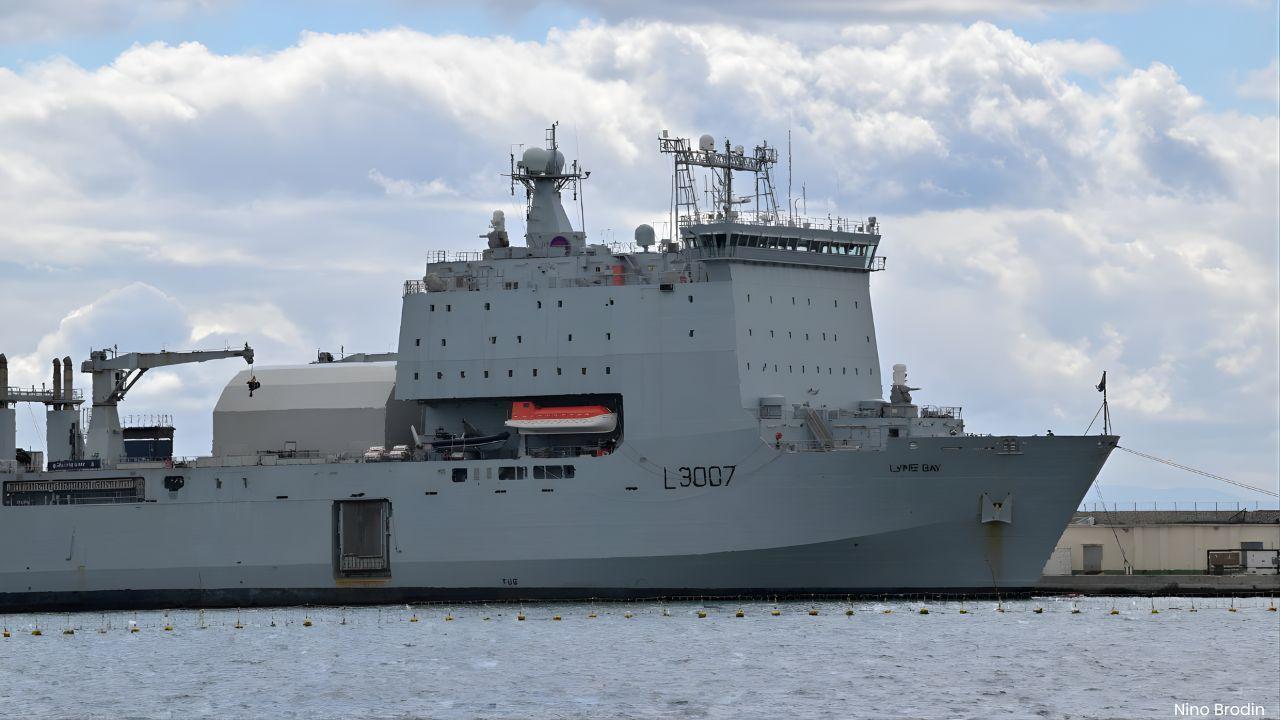
Photo : X / Nino Brodin
U.S. President Donald Trump has called on allied nations to assist in securing the Strait of Hormuz, one of the world’s most critical maritime chokepoints, amid rising tensions in the Middle East. The strait is essential for the safe passage of global oil shipments, and any disruption could have immediate repercussions for international energy markets and trade flows. Trump emphasized that nations relying on Gulf oil should take a shared responsibility in safeguarding commercial shipping through the narrow waterway, highlighting the growing strategic importance of international cooperation in the region.
Despite Washington’s appeal, Japan and Australia have declined to send naval vessels to escort ships through the strait. Both governments cited logistical and legal constraints, as well as the absence of a formal request, signaling caution about direct involvement in military operations in a highly sensitive region. This refusal underscores the diplomatic challenge of forming a multinational coalition to protect commercial shipping while avoiding escalation in an already volatile area.
The Strait of Hormuz, situated between Iran and Oman, is a key maritime corridor through which roughly 20% of the world’s crude oil passes. It serves as the primary exit route for oil exports from Gulf countries including Saudi Arabia, Kuwait, Iraq, and the United Arab Emirates. Even minor disruptions in this narrow channel can cause global oil prices to spike, impact energy security, and ripple across international financial and commodity markets.
Recent military activity, including drone and missile incidents in the Gulf, has heightened risks for commercial vessels navigating the strait. Shipping operators are reviewing route safety, and insurers are adjusting coverage in response to the increased threat of conflict-related disruptions. Analysts warn that sustained instability could have far-reaching effects on global supply chains, particularly for countries heavily reliant on Middle East energy imports.
The Trump administration’s call for allied involvement highlights the growing pressure on major economies to contribute to maritime security in the Gulf. While some nations have indicated logistical and political constraints, Washington continues to advocate for a shared responsibility model to protect energy and trade routes.
The unfolding situation places both the aviation and shipping sectors on high alert. Ensuring uninterrupted navigation through the Strait of Hormuz is critical not only for global oil markets but also for broader energy security and economic stability.
Authorities and shipping companies are closely monitoring developments, readying contingency plans to mitigate potential disruptions. The coming weeks will be crucial in determining whether a multinational security effort emerges or if commercial shipping will face heightened operational risks in the region.
#trending #latest, Strait of Hormuz security, Trump calls for naval support, Japan Australia refuse deployment, Gulf maritime tensions, global oil shipping risk, Middle East naval security, international energy trade disruption






Advances in Aerospace Technology and Commercial Aviation Recovery
Insights into breakthrough aerospace technologies and commercial aviation’s recovery amid 2025 chall

Defense Modernization and Strategic Spending Trends
Explore key trends in global defense modernization and strategic military spending shaping 2025 secu

Tens of Thousands Protest in Serbia on Anniversary of Deadly Roof Collapse
Tens of thousands in Novi Sad mark a year since a deadly station roof collapse that killed 16, prote

Canada PM Carney Apologizes to Trump Over Controversial Reagan Anti-Tariff Ad
Canadian PM Mark Carney apologized to President Trump over an Ontario anti-tariff ad quoting Reagan,

The ad that stirred a hornets nest, and made Canadian PM Carney say sorry to Trump
Canadian PM Mark Carney apologizes to US President Trump after a tariff-related ad causes diplomatic

Bengaluru-Mumbai Superfast Train Approved After 30-Year Wait
Railways approves new superfast train connecting Bengaluru and Mumbai, ending a 30-year demand, easi



