Post by : Avinab Raana
Photo : X / MarketWatch
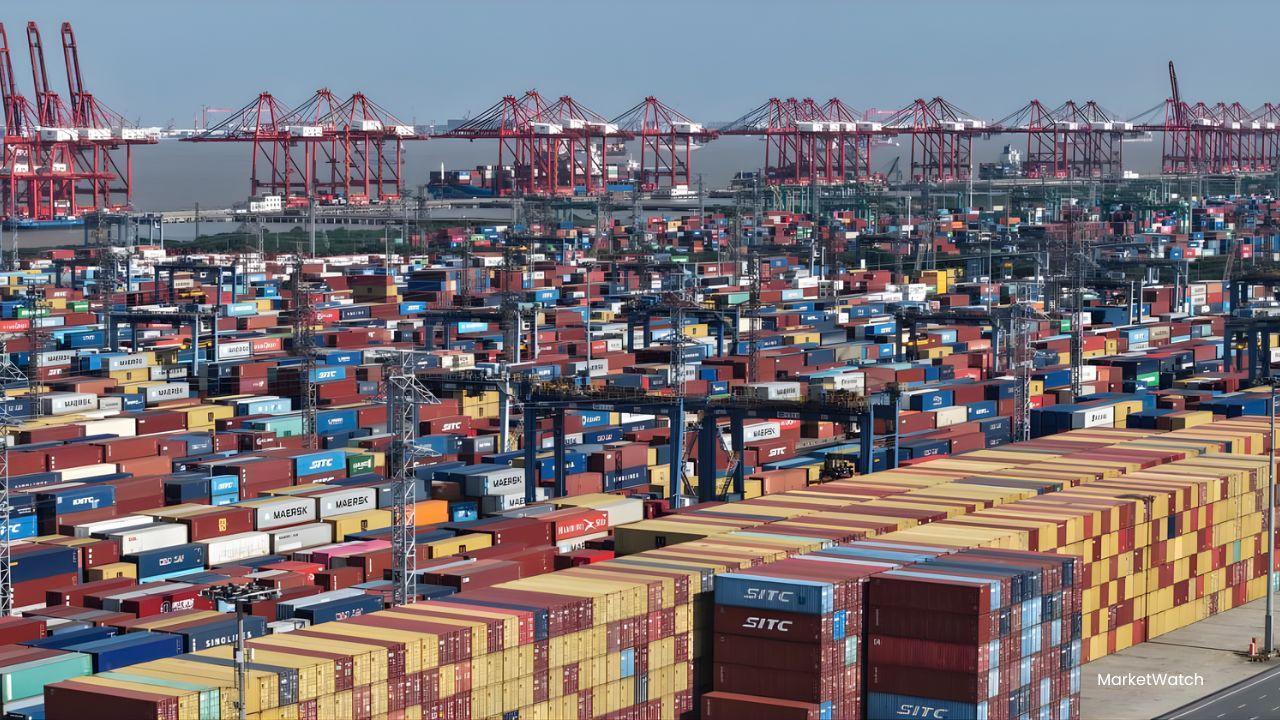
The escalating conflict involving Iran is beginning to significantly disrupt global supply chains, pushing B2B shipping costs higher while increasing delivery risks for businesses worldwide. Companies that rely on stable international shipping networks are now confronting growing uncertainty as geopolitical tensions threaten some of the world’s most critical maritime trade corridors. For manufacturers, wholesalers, and industrial suppliers, the ripple effects of the crisis are already being felt through rising freight prices and longer delivery timelines.
One of the most immediate consequences of the crisis is a sharp increase in global freight rates. Shipping companies are adding new risk surcharges while insurance premiums for vessels operating in sensitive regions have surged. These additional costs are quickly filtering down the supply chain, forcing logistics providers to revise freight pricing and shipping schedules.As operational risks increase, shipping firms are also allocating extra resources for security monitoring, route planning, and contingency operations factors that further contribute to higher transportation expenses.
A major factor driving uncertainty in global shipping is the growing risk around the Strait of Hormuz, a strategic maritime chokepoint that connects the Persian Gulf with international markets. A significant share of global oil shipments and commercial cargo moves through this corridor, making it a vital route for international trade. When instability affects the region, shipping companies often respond by rerouting vessels, delaying shipments, or reducing capacity. These disruptions can quickly cascade through global logistics networks, affecting supply chains that extend far beyond the Middle East.
For B2B sellers operating in international markets, the consequences of shipping disruptions can be severe. Industrial suppliers, manufacturers, and wholesale distributors rely heavily on predictable freight schedules to maintain inventory levels and fulfill business orders. When shipments are delayed or freight costs rise unexpectedly, companies must either absorb the increased costs or pass them along to customers. In industries where margins are already tight, these disruptions can significantly affect profitability and operational planning.
To navigate the evolving situation, many businesses are beginning to rethink their supply chain strategies. Companies are exploring alternative logistics routes, expanding warehouse inventories, and diversifying suppliers to reduce dependence on vulnerable trade corridors. These adjustments are becoming increasingly common as geopolitical tensions expose the fragile nature of globally interconnected logistics networks.
The global freight industry is now entering a period of heightened volatility as shipping operators attempt to balance safety concerns with commercial demand. Rising fuel prices, increased insurance costs, and route diversions are all contributing to an environment where shipping costs can change rapidly. For businesses involved in international trade, the unpredictability of maritime logistics is becoming a central challenge.
The Iran conflict is a powerful reminder that geopolitical developments can have immediate and far-reaching consequences for global commerce. As shipping disruptions ripple through international logistics systems, businesses across multiple industries are being forced to adapt quickly. For B2B sellers in particular, the coming months may require greater flexibility, stronger supply chain planning, and careful management of shipping costs. In a world where international trade depends on reliable maritime routes, any disruption in key corridors can quickly reshape the economics of global business.
#trending #latest, Iran war shipping disruption, B2B shipping cost surge, global freight rate increase, Strait of Hormuz logistics risk, B2B supply chain delays, maritime trade disruption, global shipping crisis







Advances in Aerospace Technology and Commercial Aviation Recovery
Insights into breakthrough aerospace technologies and commercial aviation’s recovery amid 2025 chall

Defense Modernization and Strategic Spending Trends
Explore key trends in global defense modernization and strategic military spending shaping 2025 secu

Tens of Thousands Protest in Serbia on Anniversary of Deadly Roof Collapse
Tens of thousands in Novi Sad mark a year since a deadly station roof collapse that killed 16, prote

Canada PM Carney Apologizes to Trump Over Controversial Reagan Anti-Tariff Ad
Canadian PM Mark Carney apologized to President Trump over an Ontario anti-tariff ad quoting Reagan,

The ad that stirred a hornets nest, and made Canadian PM Carney say sorry to Trump
Canadian PM Mark Carney apologizes to US President Trump after a tariff-related ad causes diplomatic

Bengaluru-Mumbai Superfast Train Approved After 30-Year Wait
Railways approves new superfast train connecting Bengaluru and Mumbai, ending a 30-year demand, easi



