Post by : Saif
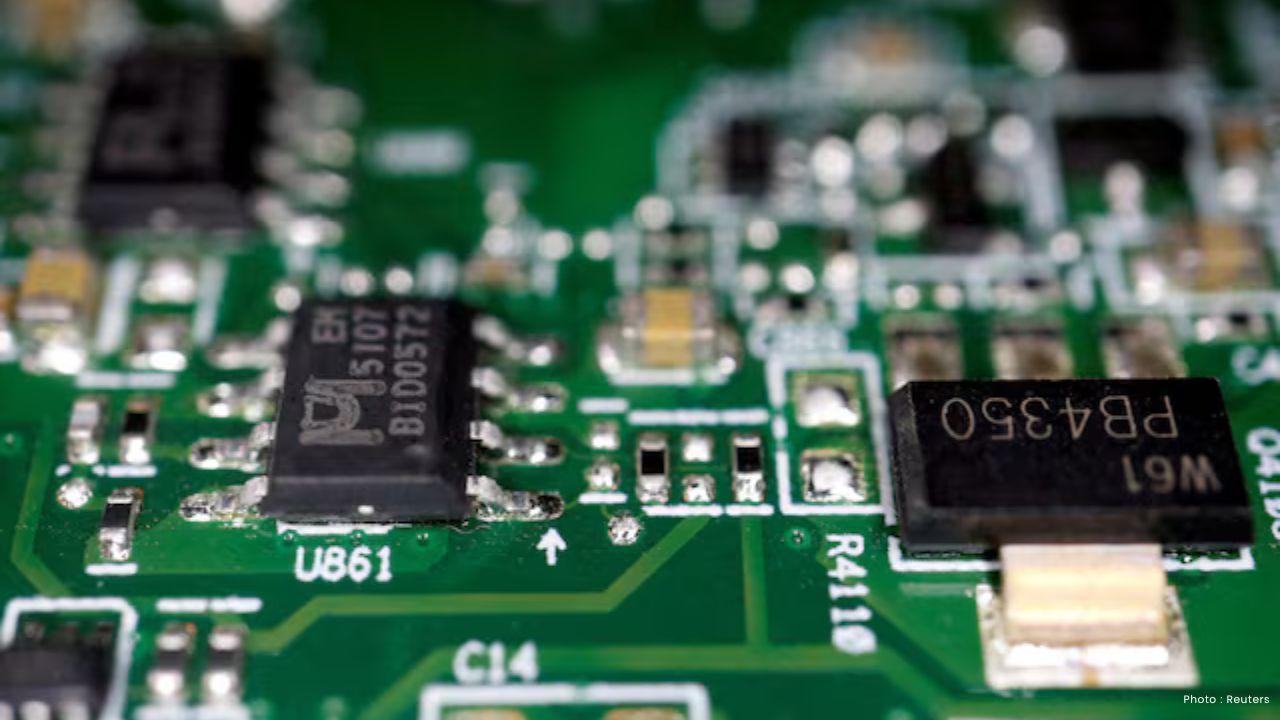
China is taking another step toward becoming more independent in advanced technology. The country’s second-largest semiconductor manufacturer, Hua Hong Group, is preparing to produce advanced 7-nanometer chips, a move that could strengthen China’s ability to build its own high-tech products.
Semiconductors, often called chips, are the tiny electronic components that power almost every modern device. Smartphones, computers, electric vehicles, and artificial intelligence systems all depend on these chips. Because they are so important, many countries consider chip production a key part of national technology and economic security.
According to industry sources, Hua Hong’s contract chipmaking unit, Huali Microelectronics, is developing the technology to manufacture 7-nanometer chips at one of its factories in Shanghai. If production moves forward as planned, it would make Hua Hong the second Chinese company capable of producing chips at this level of technology.
At present, China’s largest chip manufacturer, Semiconductor Manufacturing International Corporation, is the only domestic firm known to have produced chips using the 7-nanometer process.
The new effort reflects China’s broader strategy to become more self-reliant in advanced technologies. For many years, Chinese technology companies have depended heavily on foreign chip suppliers. However, tensions between China and the United States have led to export controls that limit the sale of advanced semiconductor equipment and high-performance chips to Chinese firms.
These restrictions have pushed Beijing to invest more money and resources into building a strong domestic semiconductor industry. Government programs and investment funds have been created to support research, factories, and innovation in chip design and manufacturing.
People familiar with the development say Hua Hong has been working on the 7-nanometer manufacturing process for some time. Test production is reportedly underway, and the company may initially produce several thousand wafers per month once full production begins.
The technology could play an important role in China’s growing artificial intelligence industry. AI systems require powerful chips to process large amounts of data and run complex calculations. If Chinese companies can produce these chips domestically, they may rely less on foreign technology suppliers.
Some reports also suggest that Chinese technology companies such as Huawei have been working with Hua Hong on chip development. Cooperation between chip manufacturers and technology firms can help improve design and manufacturing capabilities.
Even with these advances, experts say China still faces challenges in catching up with the world’s leading semiconductor manufacturers. Companies such as Taiwan’s TSMC and South Korea’s Samsung produce chips using even more advanced processes. Analysts estimate that China remains several years behind global leaders in the most advanced chip technologies.
However, progress in the semiconductor sector is often slow and requires large investments in research, factories, and specialized equipment. Governments and companies may spend billions of dollars over many years before reaching new technological milestones.
China has already committed significant resources to strengthening its semiconductor industry. The country has launched major funding programs and encouraged domestic companies to design and manufacture more components locally. The goal is to reduce reliance on imported chips and protect the country from supply disruptions.
The development of 7-nanometer manufacturing capability could therefore represent an important step forward. Even if production volumes remain limited at first, it shows that Chinese chipmakers are moving closer to advanced manufacturing technologies.
For the global technology industry, these developments are being closely watched. The semiconductor sector sits at the center of the modern digital economy. Changes in chip manufacturing capabilities can influence everything from artificial intelligence development to consumer electronics and national security.
As competition between global technology powers continues, the race to produce more advanced chips is expected to remain intense. For China, the progress made by companies like Hua Hong suggests that the country is determined to build a stronger and more independent semiconductor industry in the years ahead.
#trending #latest #ChinaTech #SemiconductorIndustry #ChipManufacturing #AIChips #TechnologyRace #GlobalTech #Semiconductors #Huawei #TechInnovation #armustnews








Advances in Aerospace Technology and Commercial Aviation Recovery
Insights into breakthrough aerospace technologies and commercial aviation’s recovery amid 2025 chall

Defense Modernization and Strategic Spending Trends
Explore key trends in global defense modernization and strategic military spending shaping 2025 secu

Tens of Thousands Protest in Serbia on Anniversary of Deadly Roof Collapse
Tens of thousands in Novi Sad mark a year since a deadly station roof collapse that killed 16, prote

Canada PM Carney Apologizes to Trump Over Controversial Reagan Anti-Tariff Ad
Canadian PM Mark Carney apologized to President Trump over an Ontario anti-tariff ad quoting Reagan,

The ad that stirred a hornets nest, and made Canadian PM Carney say sorry to Trump
Canadian PM Mark Carney apologizes to US President Trump after a tariff-related ad causes diplomatic

Bengaluru-Mumbai Superfast Train Approved After 30-Year Wait
Railways approves new superfast train connecting Bengaluru and Mumbai, ending a 30-year demand, easi



