Post by : Saif
Japan’s recent decision to ease its long-standing restrictions on arms exports is being closely watched around the world, especially by Ukraine. The move has created a possible path for future defence cooperation between the two countries at a time when global security challenges are increasing.
For many years, Japan followed a strict pacifist policy after World War II, limiting its role in military exports. The country focused mainly on self-defence and avoided involvement in global conflicts. However, changing international conditions and rising tensions in different regions have pushed Japan to slowly rethink its approach.
The updated policy does not fully remove restrictions, but it allows more flexibility in exporting defence equipment under certain conditions. This has opened the door for discussions between Japan and Ukraine, although no immediate arms supply is expected.
Ukraine, which is still dealing with the effects of its ongoing conflict with Russia, is looking for new partners to strengthen its defence system. Supplies of weapons and equipment remain under pressure, and the country is exploring long-term solutions rather than quick fixes.
Officials from Ukraine have described Japan’s decision as a positive step. They see opportunities not just in direct military support but also in areas like funding, technology sharing, and joint production. Japan is known for its advanced technology and strong manufacturing sector, which could play a key role in improving defence systems.
One important area of interest is air defence. Ukraine has been facing continuous threats from missile and drone attacks, and stronger defence systems are needed to protect cities and infrastructure. Cooperation with Japan could help in developing new solutions over time.
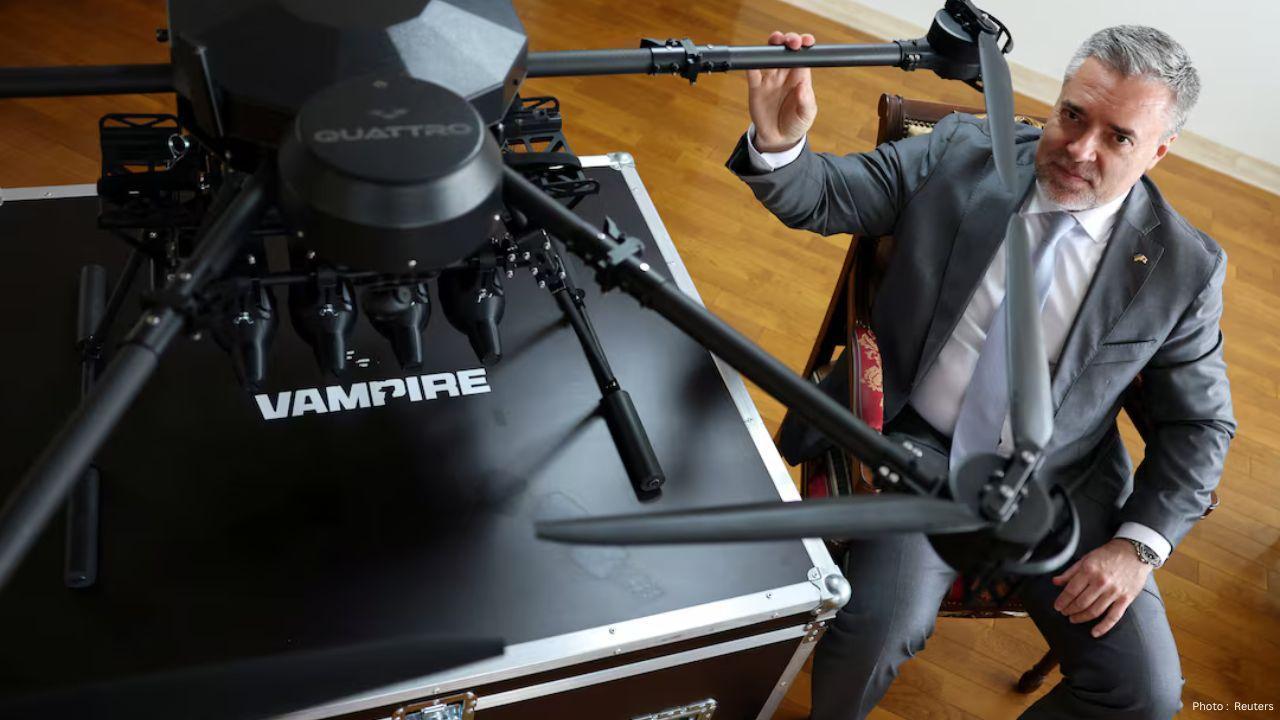
Another area where both countries could work together is drone technology. Ukraine has gained practical experience in using drones during the conflict, while Japan has advanced research and production capabilities. Combining these strengths could lead to useful developments in modern defence tools.
Japan’s decision is also linked to its own security concerns. The country has become more aware that conflicts in one part of the world can affect stability in other regions. By supporting partners like Ukraine, Japan is also sending a message about its role in maintaining global order.
At the same time, the situation remains sensitive. Japan still has legal and political limits on how far it can go in exporting weapons, especially to countries involved in active conflict. Any future cooperation will need to follow these rules carefully.
Public opinion in Japan is another factor to consider. Many people still support the country’s traditional pacifist approach and may be cautious about increased military involvement. This means that policy changes will likely happen slowly and with careful planning.
Ukraine is also working to strengthen its own defence industry. The country has taken steps to attract foreign investment and improve its production capacity. This shows that it is not only seeking support but also aiming to become more self-reliant in the long run.
The global situation adds another layer to this development. With conflicts continuing in different regions, the demand for military equipment is rising. At the same time, traditional suppliers are facing limits in production, creating space for new players like Japan to step forward.
This shift reflects a broader change in global alliances and defence strategies. Countries are adjusting their roles based on new realities, and cooperation is becoming more important than ever.
As talks between Japan and Ukraine move forward, the outcome will depend on legal decisions, political support, and international reactions. While challenges remain, the policy change has already signaled a new direction in how countries respond to modern security threats.
#trending #latest #MayDay2026 #WorkersRights #GlobalProtests #LaborRights #InflationCrisis #EconomicJustice #PeaceNow #JobSecurity #FairWages #SocialJustice








Advances in Aerospace Technology and Commercial Aviation Recovery
Insights into breakthrough aerospace technologies and commercial aviation’s recovery amid 2025 chall

Defense Modernization and Strategic Spending Trends
Explore key trends in global defense modernization and strategic military spending shaping 2025 secu

Tens of Thousands Protest in Serbia on Anniversary of Deadly Roof Collapse
Tens of thousands in Novi Sad mark a year since a deadly station roof collapse that killed 16, prote

Canada PM Carney Apologizes to Trump Over Controversial Reagan Anti-Tariff Ad
Canadian PM Mark Carney apologized to President Trump over an Ontario anti-tariff ad quoting Reagan,

The ad that stirred a hornets nest, and made Canadian PM Carney say sorry to Trump
Canadian PM Mark Carney apologizes to US President Trump after a tariff-related ad causes diplomatic

Bengaluru-Mumbai Superfast Train Approved After 30-Year Wait
Railways approves new superfast train connecting Bengaluru and Mumbai, ending a 30-year demand, easi



