Post by : Saif
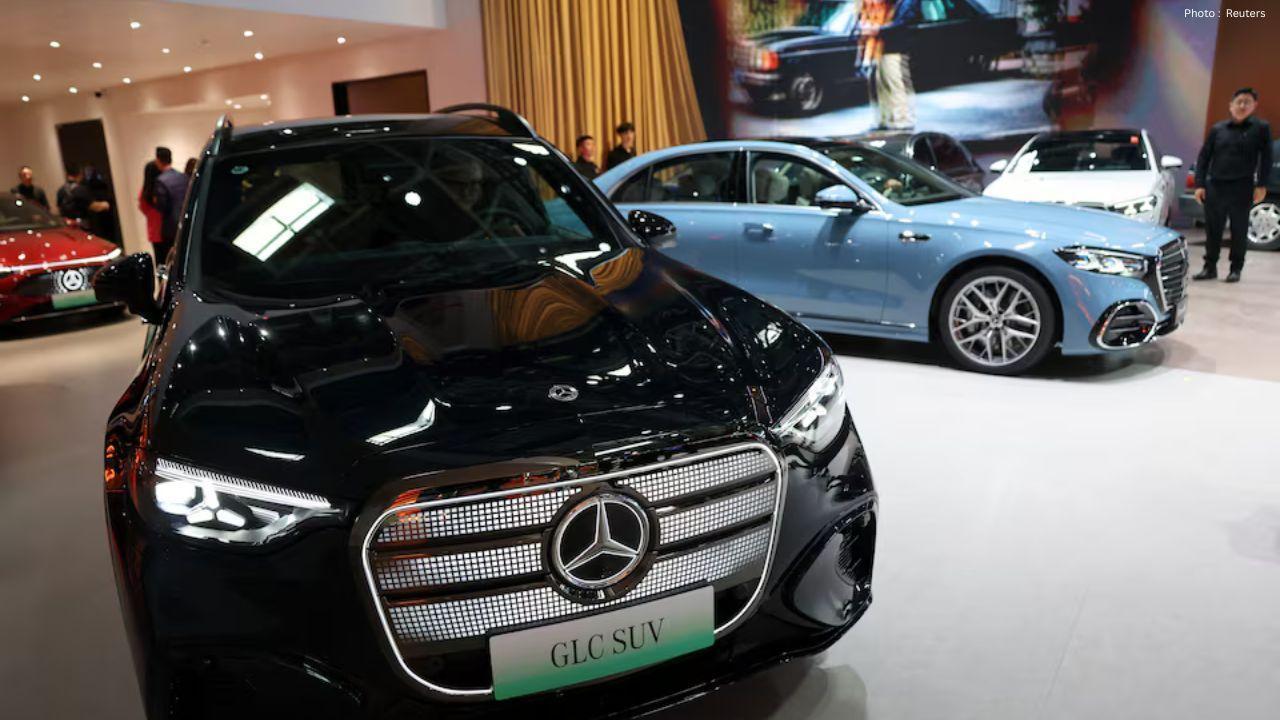
Mercedes-Benz has reported a drop in its first-quarter profits, but the decline was smaller than many had expected. This has come as a positive sign for the company, especially at a time when the global automobile industry is facing several challenges.
The company, known for its premium cars, is dealing with a changing market environment. Rising costs, shifting customer demand, and growing competition are all affecting carmakers around the world. Despite these pressures, Mercedes-Benz has managed to perform better than predicted, showing some level of strength and stability.
One of the key reasons behind the profit drop is the increase in production and operating costs. Raw materials, supply chains, and energy expenses have all become more expensive in recent times. These factors have made it harder for companies to maintain high profit levels.
At the same time, the global car market is going through a transition. There is a growing shift toward electric vehicles, which requires heavy investment in new technology and production systems. Traditional carmakers like Mercedes-Benz are spending large amounts of money to adapt to this change, which can affect short-term profits.
Another important factor is demand in key markets. Sales performance in regions like China and Europe plays a major role in the company’s overall results. Changes in consumer behavior, economic conditions, and competition can influence how well cars are sold in these markets.
Even with these challenges, Mercedes-Benz has shown resilience. A smaller-than-expected drop in profit suggests that the company’s strategy is working to some extent. Strong brand value, loyal customers, and a focus on premium vehicles have helped it maintain its position.
The company is also focusing on improving efficiency and managing costs. By carefully controlling spending and optimizing production, it aims to protect its profits while continuing to invest in future growth.
This situation reflects a broader trend in the global automobile industry. Many car companies are facing similar challenges as they balance current performance with future plans. The shift toward electric mobility, along with economic uncertainty, is shaping the direction of the industry.
For investors and customers, the results offer a mixed picture. While profits have fallen, the better-than-expected performance brings some confidence. It shows that even in difficult conditions, strong companies can adapt and remain competitive.
Looking ahead, the focus will remain on innovation, cost control, and market demand. Companies like Mercedes-Benz will need to continue adjusting their strategies to meet changing trends and customer expectations.
The latest results show that while challenges remain, there are also signs of stability. The ability to perform better than expected in a tough environment highlights the company’s strength and its efforts to stay ahead in a rapidly evolving industry.
#trending #latest #MercedesBenz #AutoIndustry #ElectricVehicles #GlobalMarkets #BusinessNews #CarIndustry #EVTransition #AutomotiveTrends #MarketUpdate #Economy






Advances in Aerospace Technology and Commercial Aviation Recovery
Insights into breakthrough aerospace technologies and commercial aviation’s recovery amid 2025 chall

Defense Modernization and Strategic Spending Trends
Explore key trends in global defense modernization and strategic military spending shaping 2025 secu

Tens of Thousands Protest in Serbia on Anniversary of Deadly Roof Collapse
Tens of thousands in Novi Sad mark a year since a deadly station roof collapse that killed 16, prote

Canada PM Carney Apologizes to Trump Over Controversial Reagan Anti-Tariff Ad
Canadian PM Mark Carney apologized to President Trump over an Ontario anti-tariff ad quoting Reagan,

The ad that stirred a hornets nest, and made Canadian PM Carney say sorry to Trump
Canadian PM Mark Carney apologizes to US President Trump after a tariff-related ad causes diplomatic

Bengaluru-Mumbai Superfast Train Approved After 30-Year Wait
Railways approves new superfast train connecting Bengaluru and Mumbai, ending a 30-year demand, easi



