Post by : Avinab Raana
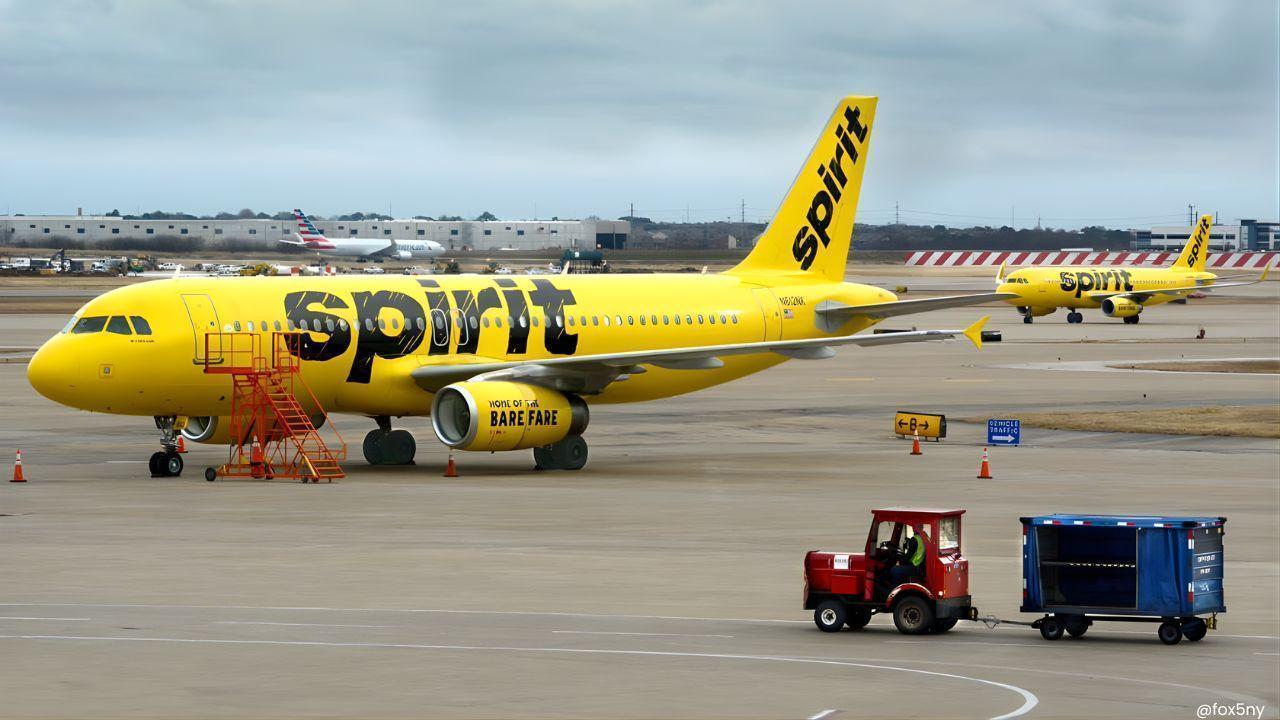
Spirit Airlines, one of the most recognized names in the ultra-low-cost carrier segment, has entered a crucial phase as rescue talks begin to take shape amid mounting financial pressure. The airline, known for its aggressive pricing strategy and no-frills model, now finds itself navigating one of the most challenging periods in its history. As discussions gain momentum under the current U.S. administration, the situation reflects broader concerns within the aviation sector, where rising costs, competitive pressure, and shifting travel demand are reshaping the industry. For Spirit, this is not just about survival, it is about redefining its position in a market that is becoming increasingly complex and unforgiving.
At the core of Spirit Airlines current crisis lies a combination of financial strain and structural challenges that have been building over time. The airline has faced rising operational costs, including fuel, maintenance, and labor, all of which have significantly impacted profitability. At the same time, its ultra-low-cost model, once seen as a major competitive advantage, is now under pressure as passengers increasingly demand better service quality and flexibility. These challenges have created a situation where maintaining low fares while sustaining operations has become increasingly difficult, forcing the airline to explore external support and strategic alternatives.
The ongoing rescue discussions are being closely watched across the aviation industry, as they could set a precedent for how struggling airlines are supported in a post-pandemic environment. Government involvement or facilitation of talks suggests that the stakes extend beyond a single airline, touching on employment, connectivity, and market competition. Spirit Airlines plays a significant role in providing affordable travel options across the United States, and any disruption to its operations could have far-reaching implications for passengers and regional air connectivity. This makes the outcome of these talks particularly significant for both policymakers and industry stakeholders.
Spirit’s situation also reflects a broader trend affecting low-cost carriers globally. As major airlines expand their own budget offerings and improve service quality, the gap between full-service and low-cost airlines is narrowing. This has intensified competition, leaving ultra-low-cost carriers like Spirit in a difficult position where differentiation is becoming harder to maintain. Additionally, fluctuations in demand, especially in domestic travel markets, have added another layer of uncertainty. In such an environment, adaptability and strategic partnerships are becoming essential for survival.
While the details of the rescue talks remain under discussion, several potential outcomes are being considered. These could range from financial restructuring and new investment to strategic partnerships or even mergers. Each scenario carries its own implications, not only for Spirit Airlines but also for the broader aviation landscape. A successful rescue could stabilize the airline and allow it to continue serving its core market, while a less favorable outcome could lead to consolidation within the industry. The coming weeks are likely to be critical in determining which path the airline will take.
As Spirit Airlines navigates this uncertain phase, the stakes go far beyond corporate survival. The airline’s journey will shape the future of affordable air travel in the United States, influencing how low-cost carriers operate and compete in an evolving market. For millions of passengers who rely on budget airlines, the outcome of these rescue talks could determine the availability and affordability of air travel in the years ahead. In a rapidly changing aviation landscape, Spirit’s story serves as a reminder that even the most disruptive business models must adapt to survive and that resilience, innovation, and strategic decision-making will define the next chapter of the industry.
#trending #latest #SpiritAirlines #AviationCrisis #AirlineRescue #USAviation #LowCostAirlines










Advances in Aerospace Technology and Commercial Aviation Recovery
Insights into breakthrough aerospace technologies and commercial aviation’s recovery amid 2025 chall

Defense Modernization and Strategic Spending Trends
Explore key trends in global defense modernization and strategic military spending shaping 2025 secu

Tens of Thousands Protest in Serbia on Anniversary of Deadly Roof Collapse
Tens of thousands in Novi Sad mark a year since a deadly station roof collapse that killed 16, prote

Canada PM Carney Apologizes to Trump Over Controversial Reagan Anti-Tariff Ad
Canadian PM Mark Carney apologized to President Trump over an Ontario anti-tariff ad quoting Reagan,

The ad that stirred a hornets nest, and made Canadian PM Carney say sorry to Trump
Canadian PM Mark Carney apologizes to US President Trump after a tariff-related ad causes diplomatic

Bengaluru-Mumbai Superfast Train Approved After 30-Year Wait
Railways approves new superfast train connecting Bengaluru and Mumbai, ending a 30-year demand, easi



