Post by : Avinab Raana
In a major development that could reshape maritime security dynamics in the Indo-Pacific, Germany is expected to soon finalize a multi-billion-dollar submarine deal with India, marking one of the most significant defence collaborations between the two nations in recent years. Valued at approximately $8 billion, the agreement reflects not just a procurement decision but a strategic alignment aimed at strengthening naval capabilities and reducing dependency on traditional defence suppliers. As geopolitical tensions continue to rise across key maritime corridors, this deal positions India to significantly upgrade its underwater warfare capabilities while simultaneously deepening industrial and technological ties with Europe.
At the core of this ambitious project lies a collaboration between Germany’s renowned shipbuilder Thyssenkrupp Marine Systems (TKMS) and India’s Mazagon Dock Shipbuilders, a partnership that is expected to drive both technological innovation and domestic manufacturing growth. The proposed agreement focuses on the construction of advanced conventional submarines equipped with air-independent propulsion systems, allowing them to operate stealthily for extended durations underwater. Crucially, the deal emphasizes technology transfer and local production under India’s “Make in India” initiative, a move that could transform the country’s defence manufacturing ecosystem and reduce reliance on imports over the long term.
India’s push for modern submarines comes at a time when the strategic balance in the Indian Ocean region is undergoing rapid change. With increasing naval activity and the growing presence of global powers in regional waters, the need for a modern, capable, and stealth-driven submarine fleet has become more urgent than ever. Many of India’s existing conventional submarines are ageing, creating operational gaps that new-generation vessels are expected to fill. The upcoming deal is therefore not just about expansion but about modernization ensuring that India’s navy remains capable of addressing evolving threats while maintaining a strong deterrence posture in a contested maritime environment.
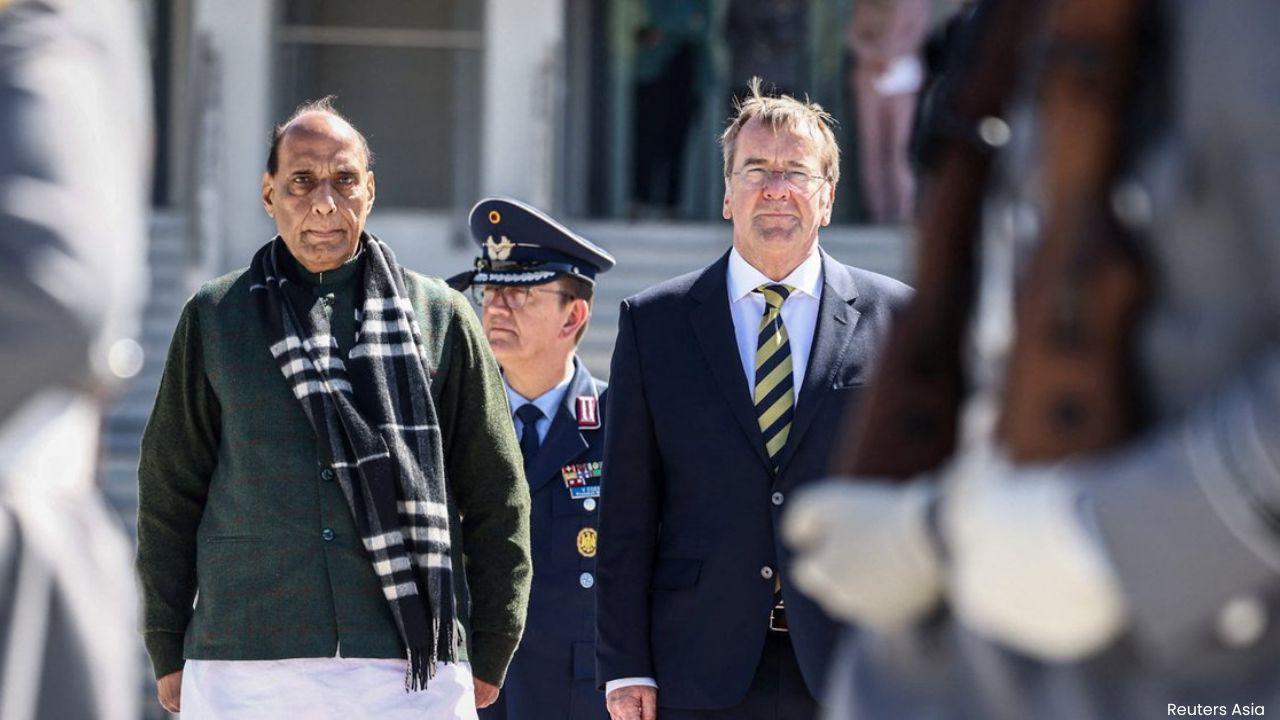
For Germany, this deal represents a significant step in expanding its defence footprint beyond Europe while strengthening ties with one of the world’s fastest-growing economies. German Defence Minister Boris Pistorius has expressed confidence that the agreement will be signed within the next few months, highlighting the progress made in negotiations and the importance of this partnership. The collaboration aligns with Germany’s broader strategy of enhancing defence cooperation with India, particularly as both nations seek to navigate complex global supply chains and shifting geopolitical alliances.
Beyond its military implications, the submarine deal is poised to generate substantial industrial and economic impact. The involvement of domestic shipyards, suppliers, and engineering firms will create opportunities across India’s manufacturing ecosystem, reinforcing its ambitions to become a global defence production hub. For Germany’s TKMS, which already holds a strong order backlog amid rising global demand for naval systems, the agreement further cements its position as a leading player in submarine technology. This convergence of industrial capabilities is expected to drive innovation, create skilled jobs, and strengthen long-term supply chain resilience for both countries.
As India and Germany move closer to sealing this landmark agreement, the broader message is unmistakable global defence partnerships are evolving to reflect new realities. The deal underscores a shift toward deeper technological collaboration, shared production capabilities, and long-term strategic alignment. For India, it represents a decisive step toward self-reliance and enhanced maritime strength. For Germany, it signals a commitment to expanding its role in global defence cooperation. Together, the partnership stands as a powerful example of how nations are reconfiguring alliances and capabilities to navigate an increasingly complex and competitive world.
#trending #latest#SubmarineDeal #IndiaGermany #NavalDefense #MakeInIndia #MaritimeSecurity









Advances in Aerospace Technology and Commercial Aviation Recovery
Insights into breakthrough aerospace technologies and commercial aviation’s recovery amid 2025 chall

Defense Modernization and Strategic Spending Trends
Explore key trends in global defense modernization and strategic military spending shaping 2025 secu

Tens of Thousands Protest in Serbia on Anniversary of Deadly Roof Collapse
Tens of thousands in Novi Sad mark a year since a deadly station roof collapse that killed 16, prote

Canada PM Carney Apologizes to Trump Over Controversial Reagan Anti-Tariff Ad
Canadian PM Mark Carney apologized to President Trump over an Ontario anti-tariff ad quoting Reagan,

The ad that stirred a hornets nest, and made Canadian PM Carney say sorry to Trump
Canadian PM Mark Carney apologizes to US President Trump after a tariff-related ad causes diplomatic

Bengaluru-Mumbai Superfast Train Approved After 30-Year Wait
Railways approves new superfast train connecting Bengaluru and Mumbai, ending a 30-year demand, easi



