
Post by : Saif
Toyota, one of the world’s largest car manufacturers, is facing growing financial pressure as global challenges begin to affect its performance. The company is expected to report its fourth straight quarterly decline in profit, showing how rising costs and geopolitical tensions are impacting even the strongest global businesses.
Recent estimates suggest that Toyota’s operating profit for the January–March 2026 quarter could fall significantly compared to the same period last year. This decline is mainly due to higher material costs, increased labor expenses, and the effects of ongoing tensions in the Middle East.
One of the biggest reasons behind this pressure is the disruption caused by conflict in the Middle East. The situation has pushed up the prices of key raw materials such as aluminum and oil-based products. These materials are essential in car manufacturing, and even a small rise in cost can reduce company profits over time.
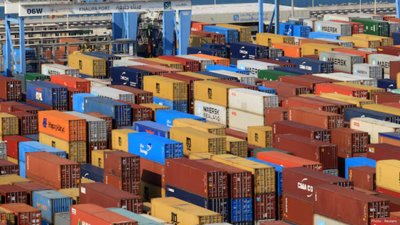
The conflict has also affected global shipping routes. When transport becomes slower or more expensive, companies have to spend more to move parts and finished vehicles across countries. For a global company like Toyota, which depends on smooth supply chains, such disruptions create serious challenges.
The impact is already visible in sales. Toyota has seen a sharp drop in its vehicle sales in the Middle East region. This decline not only affects total revenue but also reduces profit margins, as the region is known for strong demand and higher-value sales.
Another major challenge is the rising cost of production. Prices of materials have increased due to energy market instability and supply issues. These costs often take time to fully affect company accounts, which means the pressure on profits may continue in the coming months.
Labor costs are also rising across the supply chain. Higher wages and operating expenses are adding to the financial burden. In addition, trade policies such as tariffs are making it more expensive for companies to operate across different markets.
Suppliers working with Toyota are also feeling the pressure. Many of them are dealing with higher costs and uncertainty about the availability of materials. If these problems continue, they could lead to shortages of important components, which may affect production in the future.
Despite these challenges, demand for Toyota vehicles remains strong in many parts of the world, especially for fuel-efficient and hybrid models. However, strong demand alone is not enough to balance rising costs and global risks.
The situation highlights how connected the global economy has become. A conflict in one region can quickly affect industries across the world. In this case, tensions in the Middle East have influenced oil prices, material costs, and trade routes, all of which directly impact manufacturing.
Asia is especially sensitive to these changes because many countries depend on energy imports from the Middle East. When supply is affected, industries across the region feel the impact almost immediately.
There is also concern about long-term effects. Experts believe that the full impact of rising costs may not be seen right away. Instead, companies could continue to face financial pressure in the coming quarters, making recovery slower.
Toyota’s situation reflects a larger challenge for the global automobile industry. Many companies are dealing with similar problems, including rising costs, supply disruptions, and uncertain market conditions.
Investors and industry experts are now watching how Toyota responds to these challenges. Decisions related to pricing, production, and supply chain management will be important in maintaining stability.
The current situation serves as a reminder that even the most successful companies are not immune to global uncertainty. Economic stability, reliable supply chains, and political peace all play an important role in business success.
As global tensions continue and costs remain high, companies like Toyota will need to adapt quickly. Managing risks, improving efficiency, and finding ways to control costs will be key in handling the challenges ahead.
#trending #latest #Toyota #AutoIndustry #GlobalEconomy #MiddleEastCrisis #SupplyChain #RisingCosts #BusinessNews #EconomicImpact #CarIndustry #MarketTrends









Advances in Aerospace Technology and Commercial Aviation Recovery
Insights into breakthrough aerospace technologies and commercial aviation’s recovery amid 2025 chall

Defense Modernization and Strategic Spending Trends
Explore key trends in global defense modernization and strategic military spending shaping 2025 secu

Tens of Thousands Protest in Serbia on Anniversary of Deadly Roof Collapse
Tens of thousands in Novi Sad mark a year since a deadly station roof collapse that killed 16, prote

Canada PM Carney Apologizes to Trump Over Controversial Reagan Anti-Tariff Ad
Canadian PM Mark Carney apologized to President Trump over an Ontario anti-tariff ad quoting Reagan,

The ad that stirred a hornets nest, and made Canadian PM Carney say sorry to Trump
Canadian PM Mark Carney apologizes to US President Trump after a tariff-related ad causes diplomatic

Bengaluru-Mumbai Superfast Train Approved After 30-Year Wait
Railways approves new superfast train connecting Bengaluru and Mumbai, ending a 30-year demand, easi



