Post by : Avinab Raana
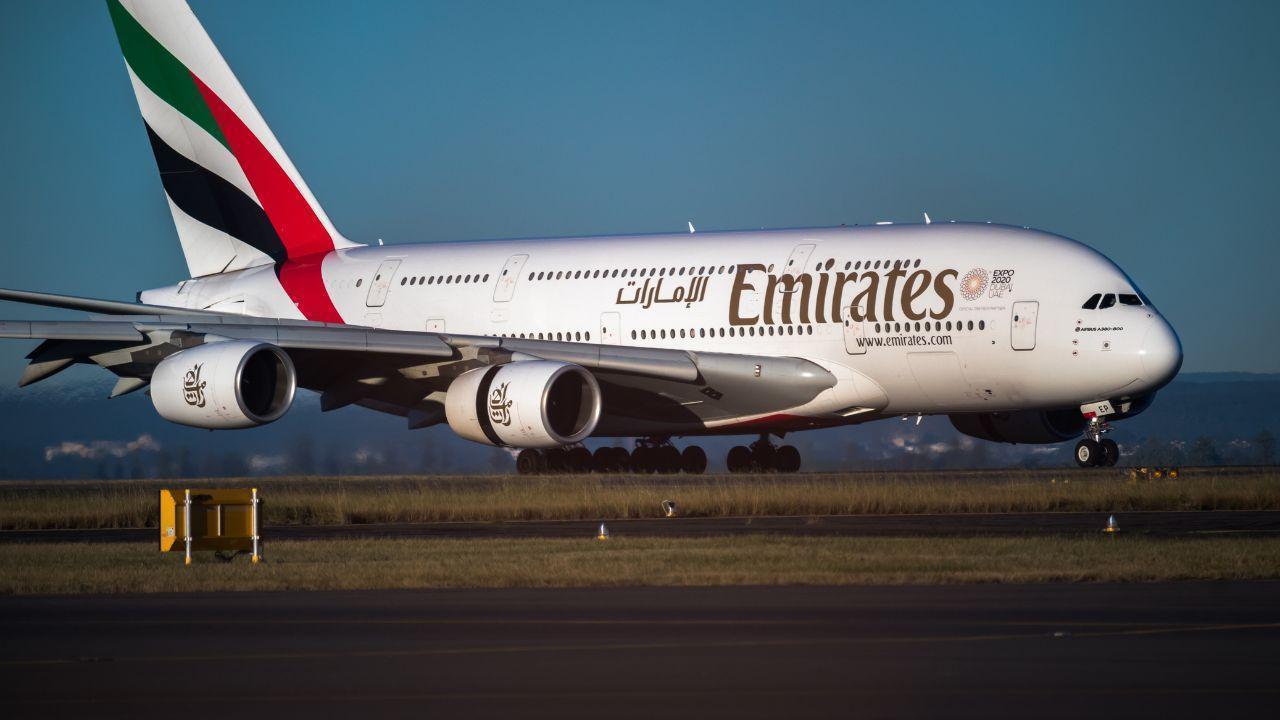
A security incident triggered an unexpected disruption for multiple Emirates flights, forcing them to return to India shortly after departure. The development created tense moments for passengers and crew on board, highlighting how quickly aviation operations can change when safety concerns arise mid-flight. While commercial aviation remains one of the safest modes of transport, even a potential security threat requires immediate action under international safety protocols.
The flights reportedly changed course after authorities received a security alert linked to the aircraft. Following established aviation security procedures, the airline and airport authorities decided to redirect the flights back to their origin points in India rather than continue toward their international destinations. Such decisions are typically taken with extreme caution, prioritizing passenger safety over operational schedules. Airlines operating long-haul routes must be prepared to respond rapidly to security concerns, and returning the aircraft to the departure airport is often considered the safest and most controlled option.
As the affected Emirates flights returned to India, airport security teams and emergency response units were placed on high alert. Airports typically activate comprehensive safety procedures during such situations, including coordination between aviation authorities, local law enforcement, and airline staff. These measures ensure that once the aircraft lands, the situation can be assessed carefully without exposing passengers or airport infrastructure to unnecessary risk. Passengers onboard were kept informed by the crew while authorities prepared to conduct security inspections after landing.
The incident once again underscores the importance of strict aviation security protocols in global air travel. Airlines and aviation regulators follow internationally standardized procedures when a security threat is suspected. Even if the threat later proves to be harmless, airlines are required to treat every alert with the highest level of seriousness. Security threats in aviation can range from suspicious messages to technical alerts or intelligence inputs. Regardless of the source, airlines must respond quickly to protect passengers, crew members, and aircraft.
For airlines like Emirates that operate large international networks, passenger safety aviation measures are central to daily operations. Every flight follows multiple layers of security checks, including pre-departure screening, in-flight monitoring, and coordination with global aviation authorities. When an incident occurs, these systems allow airlines to react swiftly and prevent potential escalation. Passengers aboard the affected flights experienced delays and uncertainty, but aviation experts emphasize that such disruptions are often a sign that safety systems are functioning exactly as intended.
After the aircraft safely returned, authorities began detailed inspections and security checks. These investigations are designed to determine the exact nature of the in-flight security alert and confirm whether it posed any real threat. Aviation authorities generally conduct thorough evaluations before clearing the aircraft and passengers for further travel. Such investigations may involve security agencies, airport authorities, and airline teams working together to verify the circumstances surrounding the alert.
The aviation industry operates under one of the most comprehensive global safety frameworks, and incidents like this demonstrate the constant vigilance maintained by airlines and regulators. The decision to redirect Emirates flights to India reflects how quickly airlines can respond when security concerns arise. While the situation caused temporary disruption, it also reinforces the aviation sector’s commitment to ensuring that passenger safety always comes before operational convenience. As global air travel continues to grow, maintaining strong security systems will remain a fundamental priority for airlines and aviation authorities worldwide.
#trending #latest, Emirates flight security incident, aviation security protocols, Emirates flights India return, airline safety procedures, in-flight security alert, international flight diversion, passenger safety aviation






Advances in Aerospace Technology and Commercial Aviation Recovery
Insights into breakthrough aerospace technologies and commercial aviation’s recovery amid 2025 chall

Defense Modernization and Strategic Spending Trends
Explore key trends in global defense modernization and strategic military spending shaping 2025 secu

Tens of Thousands Protest in Serbia on Anniversary of Deadly Roof Collapse
Tens of thousands in Novi Sad mark a year since a deadly station roof collapse that killed 16, prote

Canada PM Carney Apologizes to Trump Over Controversial Reagan Anti-Tariff Ad
Canadian PM Mark Carney apologized to President Trump over an Ontario anti-tariff ad quoting Reagan,

The ad that stirred a hornets nest, and made Canadian PM Carney say sorry to Trump
Canadian PM Mark Carney apologizes to US President Trump after a tariff-related ad causes diplomatic

Bengaluru-Mumbai Superfast Train Approved After 30-Year Wait
Railways approves new superfast train connecting Bengaluru and Mumbai, ending a 30-year demand, easi



