Post by : Avinab Raana
Photo : X / Yasiru
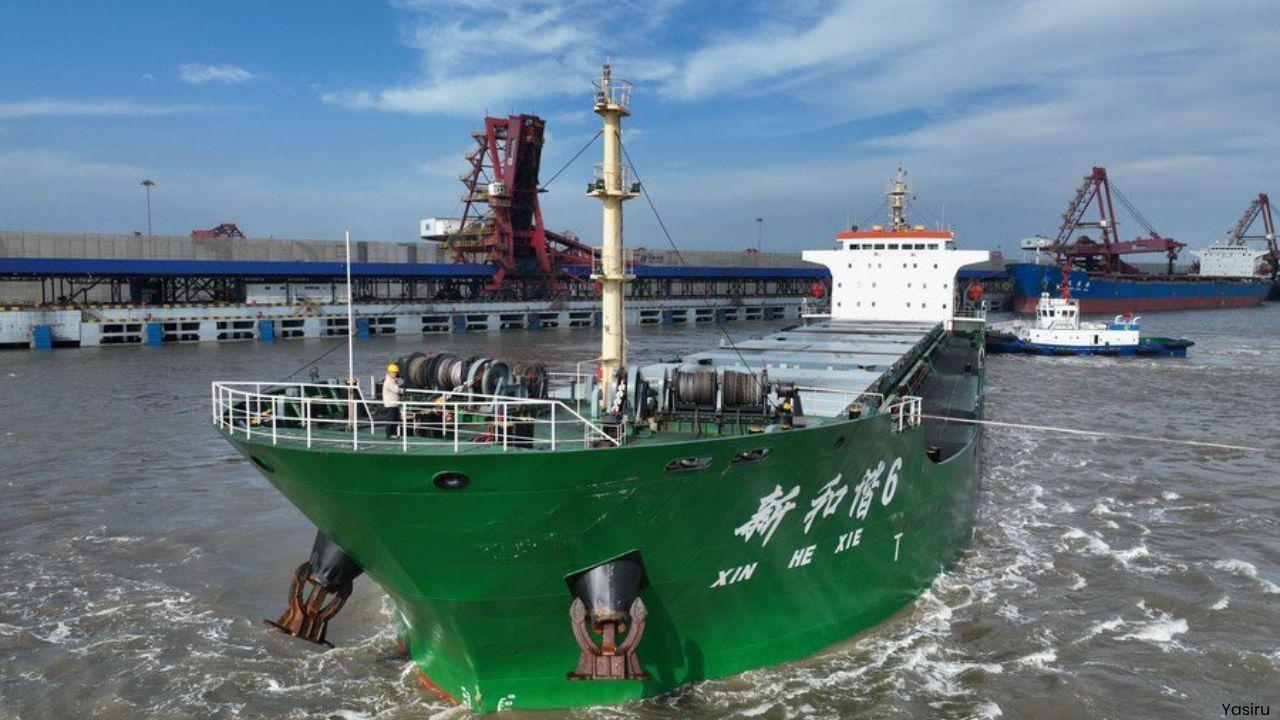
In a decisive move reflecting growing confidence in global shipping markets, Yangzijiang Maritime has secured vessel leasing agreements worth approximately $114 million, marking a significant expansion of its maritime asset portfolio. At a time when geopolitical tensions and evolving trade routes are reshaping global logistics, this deal highlights how leading maritime players are positioning themselves to capitalize on long-term demand. The agreement is not merely a financial transaction—it is a strategic signal that the shipping industry is entering a phase of renewed resilience and opportunity.
The leasing agreements cover a total of 13 vessels, including 12 oil, chemical, and product tankers along with one anchor handling tug supply (AHTS) vessel. The contracts span durations ranging from one to eight years, offering a balanced mix of short-term flexibility and long-term revenue visibility.
This diversified leasing structure ensures that Yangzijiang Maritime can generate stable and recurring income streams while maintaining operational agility in a volatile market environment. By strategically combining different vessel types and lease tenures, the company is strengthening its position across multiple segments of the maritime industry, from tanker operations to offshore support services.
A key driver behind this expansion lies in the changing dynamics of global trade. Increasing geopolitical tensions have forced shipping routes to become longer and more complex, creating what industry experts describe as a “tonnage-mile” effect. This phenomenon effectively reduces available shipping capacity while increasing demand for vessels, driving higher utilization rates across fleets.
For companies like Yangzijiang Maritime, this shift presents a unique opportunity. Longer routes mean vessels spend more time at sea, tightening supply and boosting charter demand. In such an environment, owning and leasing a diversified fleet becomes a strategic advantage, enabling companies to capture value across fluctuating market cycles.
The leasing deals also reflect a broader trend within the maritime sector a critical fleet renewal cycle driven by aging vessels, environmental regulations, and evolving trade patterns. As shipyard capacity remains constrained globally, the ability to secure and deploy vessels efficiently has become a key differentiator for maritime operators.
Yangzijiang Maritime’s strategy of leveraging relationships with shipyards and optimizing asset acquisition costs positions it well to benefit from this cycle. By integrating new vessels into its portfolio while maintaining disciplined asset selection, the company is building a fleet that is both competitive and future-ready.
The latest agreements add to Yangzijiang Maritime’s already substantial portfolio, which includes around 85 vessels, reinforcing its scale and market presence.Beyond fleet size, the company’s financial strength plays a crucial role in enabling such expansion. With a strong balance sheet and significant cash reserves, Yangzijiang Maritime has the flexibility to pursue high-value opportunities while maintaining risk control. This financial resilience is essential in an industry where market conditions can shift rapidly due to geopolitical and economic factors.
The deal underscores the growing importance of shipping finance and leasing models in modern maritime operations. Instead of relying solely on traditional ownership structures, companies are increasingly adopting asset-light strategies that combine leasing, chartering, and vessel trading to optimize returns.This approach not only enhances capital efficiency but also allows companies to adapt quickly to market changes. For Yangzijiang Maritime, the ability to generate multi-source revenue from leasing contracts to potential asset sales creates a more resilient business model capable of withstanding industry volatility.
Yangzijiang Maritime’s $114 million leasing deal is more than a milestone, it is a reflection of the evolving nature of global shipping. As trade routes shift, capacity tightens, and demand continues to grow, strategic investments in fleet expansion and leasing will play a critical role in shaping the future of maritime logistics.
This development signals that the shipping industry is not merely adapting to change, it is actively transforming to meet new global realities. For stakeholders across the supply chain, from shipowners to cargo operators, the message is clear: the next phase of maritime growth will be defined by agility, strategic investment, and the ability to navigate an increasingly complex global trade environment.
#trending #latest#Yangzijiang #MaritimeLeasing #ShippingIndustry #TankerMarket #GlobalTrade







Advances in Aerospace Technology and Commercial Aviation Recovery
Insights into breakthrough aerospace technologies and commercial aviation’s recovery amid 2025 chall

Defense Modernization and Strategic Spending Trends
Explore key trends in global defense modernization and strategic military spending shaping 2025 secu

Tens of Thousands Protest in Serbia on Anniversary of Deadly Roof Collapse
Tens of thousands in Novi Sad mark a year since a deadly station roof collapse that killed 16, prote

Canada PM Carney Apologizes to Trump Over Controversial Reagan Anti-Tariff Ad
Canadian PM Mark Carney apologized to President Trump over an Ontario anti-tariff ad quoting Reagan,

The ad that stirred a hornets nest, and made Canadian PM Carney say sorry to Trump
Canadian PM Mark Carney apologizes to US President Trump after a tariff-related ad causes diplomatic

Bengaluru-Mumbai Superfast Train Approved After 30-Year Wait
Railways approves new superfast train connecting Bengaluru and Mumbai, ending a 30-year demand, easi



