Post by : Avinab Raana
Photo : X / @CNEVhome
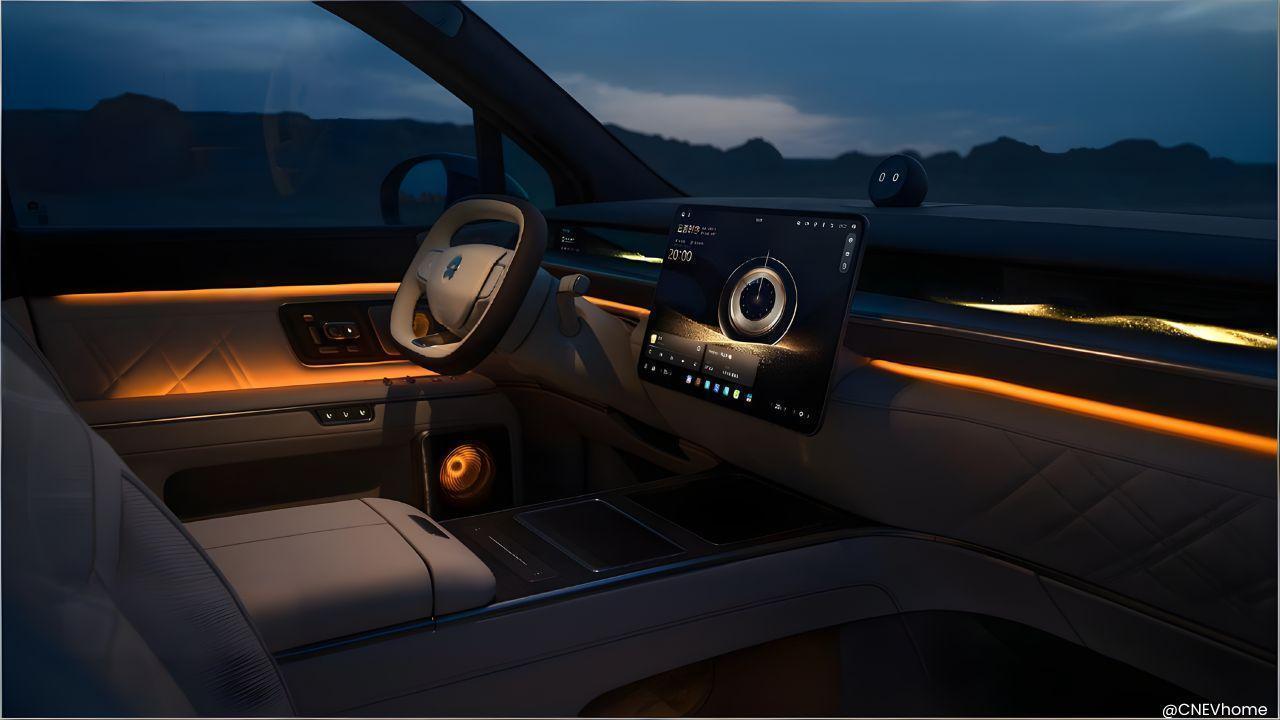
The future of automotive design is no longer confined to dashboards and displays, it is about redefining the entire in-cabin experience. Yanfeng’s XIM25 concept emerges as a bold statement in this transformation, presenting a fully integrated vehicle interior that blurs the line between mobility and lifestyle. Designed with a deep understanding of next-generation consumers, particularly Gen Z, the concept positions the car as a “third living space”. A place where users can relax, work, entertain, and interact seamlessly. This shift reflects a larger industry movement where interiors are becoming the core differentiator, especially as electric and autonomous technologies standardize performance across vehicles.
At the heart of the XIM25 lies Yanfeng’s “FLUID SPACE” design philosophy, which enables a highly adaptable cabin capable of transforming based on user needs. The interior layout is no longer static; instead, it evolves dynamically, allowing seats to rotate, recline, and even convert into lounge-like configurations or full-length resting spaces. This flexibility introduces new use cases from in-car gaming and entertainment to relaxation and even camping-style experiences. By integrating movement, comfort, and modularity into a single ecosystem, the concept demonstrates how future vehicles will prioritize versatility and personalization over traditional fixed layouts.
One of the most compelling aspects of the XIM25 is its advanced seating architecture, which merges comfort, safety, and intelligent motion into a unified system. The adaptive zero-gravity seats can rotate up to 90 degrees and adjust dynamically depending on driving conditions or user preferences, especially in semi-autonomous environments. Complementing this is Yanfeng’s integrated safety suite, which includes features such as pre-crash seat positioning, embedded airbags, and seatbelt integration ensuring that flexibility does not compromise occupant protection. This seamless fusion of seating design and safety engineering represents a major leap in how interiors are conceptualized and executed.
The XIM25 goes beyond traditional infotainment by embedding digital intelligence directly into interior surfaces. Ultra-wide displays, panoramic head-up projections, and concealed touch panels create a clean, distraction-free environment while delivering high levels of functionality. The innovative use of translucent materials and flexible display technologies allows information and lighting to flow naturally across curved surfaces, enhancing both usability and visual appeal. Hidden interfaces like the Heytech™ touch panel further reduce clutter, offering intuitive control without overwhelming users with visible screens, an approach that signals the next phase of human-machine interaction in vehicles.
Beyond technology, the XIM25 places strong emphasis on emotional engagement through design. Ambient lighting systems adapt dynamically to user mood, while sustainable materials such as eco-friendly translucent skins bring both aesthetic refinement and environmental responsibility into the cabin. The integration of lighting, textures, and digital feedback creates a sensory-rich environment that responds to passengers in real time. This human-centric approach highlights a critical shift in automotive interiors from functional spaces to emotionally intelligent environments that enhance well-being and personalization.
As the automotive industry accelerates toward autonomous and connected mobility, the XIM25 stands as a blueprint for what future cabins will look like. It demonstrates that the real innovation lies not just in electrification or software, but in how seamlessly every interior element from seating to displays to materials can be integrated into a cohesive experience. Yanfeng’s concept is not just a design exercise; it is a strategic vision of how vehicles will evolve into intelligent, adaptive ecosystems. In a world where mobility is becoming increasingly digital, the XIM25 signals that the true battleground for automakers will be inside the cabin—and those who master it will define the future of transportation.
#trending #latest,#Yanfeng #SmartCabin #VehicleInteriors #FutureMobility #AutomotiveDesign







Advances in Aerospace Technology and Commercial Aviation Recovery
Insights into breakthrough aerospace technologies and commercial aviation’s recovery amid 2025 chall

Defense Modernization and Strategic Spending Trends
Explore key trends in global defense modernization and strategic military spending shaping 2025 secu

Tens of Thousands Protest in Serbia on Anniversary of Deadly Roof Collapse
Tens of thousands in Novi Sad mark a year since a deadly station roof collapse that killed 16, prote

Canada PM Carney Apologizes to Trump Over Controversial Reagan Anti-Tariff Ad
Canadian PM Mark Carney apologized to President Trump over an Ontario anti-tariff ad quoting Reagan,

The ad that stirred a hornets nest, and made Canadian PM Carney say sorry to Trump
Canadian PM Mark Carney apologizes to US President Trump after a tariff-related ad causes diplomatic

Bengaluru-Mumbai Superfast Train Approved After 30-Year Wait
Railways approves new superfast train connecting Bengaluru and Mumbai, ending a 30-year demand, easi



