Post by : Saif
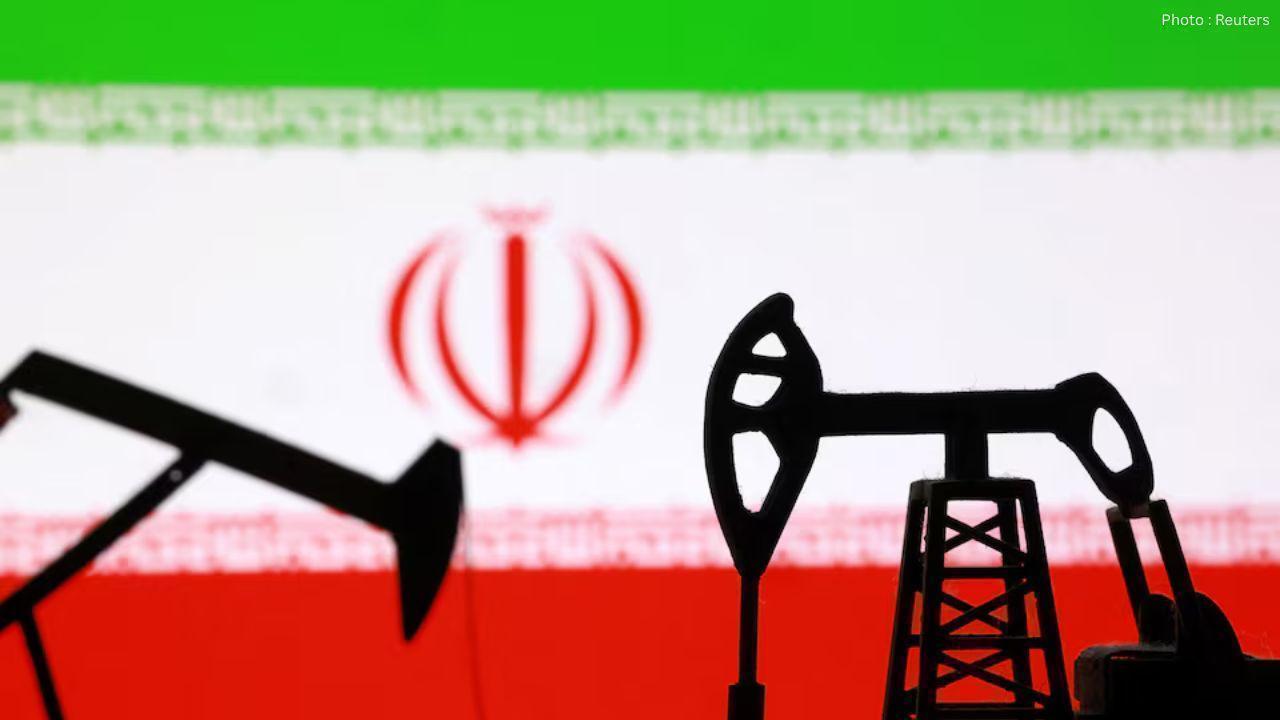
Offers of Iranian crude oil to Chinese buyers have declined sharply as a US blockade disrupts Tehran's oil shipments and raises uncertainty over future supplies.
Trade sources said fewer Iranian cargoes were being offered for September and October delivery compared with July and August shipments. Available cargoes have become more expensive as oil already stored on vessels has been sold.
The decline is putting additional pressure on Chinese independent refineries that rely heavily on discounted Iranian crude.
Washington reinstated its blockade of Iranian shipping and ports on July 13 after efforts to halt the war broke down.
The restrictions are aimed at limiting Iran's oil exports, which provide a major source of foreign currency for the country. Iranian energy infrastructure had already suffered losses during the conflict.
Ship-tracking data indicates that Iranian oil exports have fallen since mid-July. No supertankers carrying Iranian crude have been visibly recorded crossing the Strait of Hormuz since then, although tracking limitations make it difficult to determine the exact movement of every vessel.
Trade sources said some Iranian crude that is normally sold at a discount is now being offered at a premium to ICE Brent futures.
One source said Iranian crude was being offered at around $2 a barrel above the Brent benchmark. Earlier in the week, Iranian Light had been offered at a discount of roughly $3 a barrel.
The sharp price change highlights growing concerns among buyers about the availability of Iranian supplies.
Iranian crude held in floating storage outside the US blockade area has also declined. Data showed inventories falling to around 80 million barrels from approximately 105 million barrels before the blockade was reinstated.
The supply squeeze is particularly important for independent Chinese refineries, commonly known as “teapots.”
These refineries are concentrated in China's eastern Shandong province and account for around one-fifth of China's refining capacity. They are also major buyers of sanctioned crude.
With Iranian supplies becoming harder to obtain, some Chinese refiners have begun looking at alternative sources.
One refinery bought Brazil's Lapa crude, while others were considering Iraq's Basrah crude. Analysts said Chinese refiners were increasingly looking beyond Iran and Russia as uncertainty over supplies continued.
Read more: Oil Prices Slip as US–Iran Talks Reduce Tension
China's imports of Iranian crude have fallen significantly compared with last year.
Provisional data showed shipments declining to about 785,000 barrels per day in June, the lowest level since February 2023.
Imports were estimated at around 823,000 barrels per day in July, but the pace dropped further to approximately 534,000 barrels per day during August.
By comparison, China's purchases of Iranian oil averaged around 1.4 million barrels per day last year.
China remains Iran's most important oil customer, taking more than 80% of Iran's seaborne crude exports, according to 2025 data.
Chinese independent refiners are also watching Washington's plans for additional sanctions.
US Treasury Secretary Scott Bessent has threatened what he called the toughest sanctions in history against Iran, with further details expected to be announced soon.
The threat has increased concerns among Chinese refiners about possible sanctions targeting companies that continue buying Iranian crude.
However, some industry sources believe additional restrictions may not completely stop purchases. Refiners that have previously faced sanctions have continued processing Iranian oil.
China has rejected unilateral sanctions and argued that economic pressure will not resolve the conflict.
Chinese officials have called for political and diplomatic efforts instead of additional sanctions.
For Iran, however, declining oil exports represent a serious economic challenge because crude sales are one of its primary sources of foreign currency.
For Chinese refiners, the disruption is creating uncertainty over supplies and forcing them to consider alternative crude grades from countries such as Brazil and Iraq.
The situation could become more difficult if Washington introduces additional sanctions, potentially tightening the market for Iranian crude and pushing prices higher.
#trending #latest #IranOil #Iran #China #USSanctions #OilExports #CrudeOil #OilMarket #StraitOfHormuz #MiddleEast #EnergyCrisis #GlobalOil #ChinaIran #EconomicSanctions #Geopolitics #GlobalEconomy #OilPrices








Advances in Aerospace Technology and Commercial Aviation Recovery
Insights into breakthrough aerospace technologies and commercial aviation’s recovery amid 2025 chall

Defense Modernization and Strategic Spending Trends
Explore key trends in global defense modernization and strategic military spending shaping 2025 secu

Tens of Thousands Protest in Serbia on Anniversary of Deadly Roof Collapse
Tens of thousands in Novi Sad mark a year since a deadly station roof collapse that killed 16, prote

Canada PM Carney Apologizes to Trump Over Controversial Reagan Anti-Tariff Ad
Canadian PM Mark Carney apologized to President Trump over an Ontario anti-tariff ad quoting Reagan,

The ad that stirred a hornets nest, and made Canadian PM Carney say sorry to Trump
Canadian PM Mark Carney apologizes to US President Trump after a tariff-related ad causes diplomatic

Bengaluru-Mumbai Superfast Train Approved After 30-Year Wait
Railways approves new superfast train connecting Bengaluru and Mumbai, ending a 30-year demand, easi



