Post by : Saif
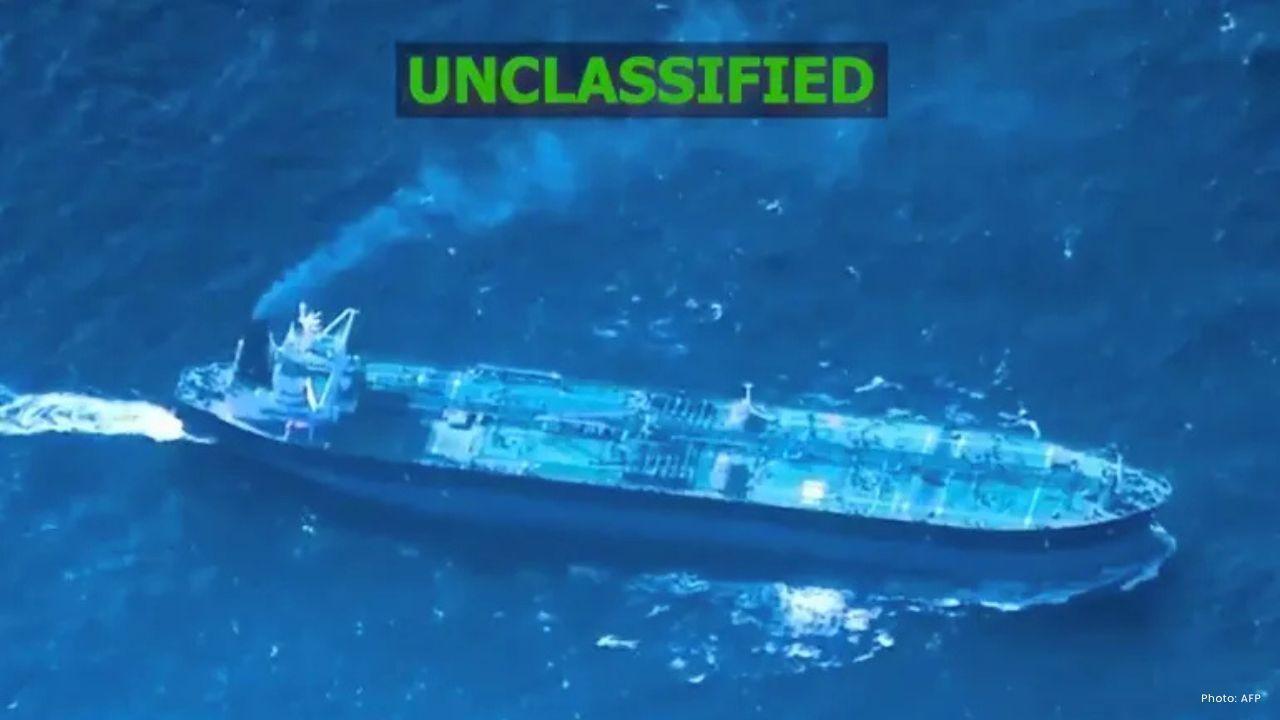
The United States has seized a seventh oil tanker linked to Venezuela, continuing its strict enforcement of sanctions against the South American nation’s oil trade. The latest seizure took place in the Caribbean Sea and was carried out without violence, according to U.S. officials. This move signals a further escalation in Washington’s efforts to control the flow of Venezuelan oil and restrict shipments it considers illegal.
U.S. authorities said the tanker was operating in violation of American sanctions imposed on Venezuela’s energy sector. These sanctions are meant to limit the country’s ability to sell oil without U.S. approval. Oil exports are a key source of income for Venezuela, and restrictions on shipping have added to the country’s already severe economic struggles.
This seizure follows six similar actions in recent weeks, as the United States increases pressure on vessels believed to be transporting Venezuelan oil outside approved channels. Officials say the goal is to stop what they describe as secret or deceptive shipping practices, including turning off tracking systems and using complex ownership structures to hide the origin of oil cargoes.
The United States argues that enforcing sanctions is necessary to prevent illegal oil sales and ensure that profits are not used in ways that go against international rules. American officials say these actions are part of a broader effort to bring transparency and control to Venezuela’s oil exports.
However, the seizures have raised concerns among critics. Some legal experts and international observers question whether using military force to take control of oil tankers on international waters respects maritime law. They warn that such actions could increase tensions in the region and set a troubling example for global shipping.
For Venezuela, the repeated seizures are another blow to an economy already under pressure from years of sanctions, inflation, and declining oil production. Reduced oil exports make it harder for the country to earn foreign currency needed for food, medicine, and basic services.
The situation also has wider effects. Oil markets, shipping companies, and other nations are watching closely, as these actions could affect global energy trade and shipping safety. Any disruption to oil supply routes can influence prices and raise uncertainty for buyers and sellers around the world.
As the United States continues to monitor and intercept vessels linked to Venezuelan oil, the risk of diplomatic disputes remains high. The coming months will show whether this strategy leads to tighter control of oil exports or sparks stronger international debate over the limits of sanctions enforcement at sea.
#trending #latest #Venezuela #USTankers #OilSanctions #GlobalEnergy #Caribbean #InternationalPolitics #OilTrade





Advances in Aerospace Technology and Commercial Aviation Recovery
Insights into breakthrough aerospace technologies and commercial aviation’s recovery amid 2025 chall

Defense Modernization and Strategic Spending Trends
Explore key trends in global defense modernization and strategic military spending shaping 2025 secu

Tens of Thousands Protest in Serbia on Anniversary of Deadly Roof Collapse
Tens of thousands in Novi Sad mark a year since a deadly station roof collapse that killed 16, prote

Canada PM Carney Apologizes to Trump Over Controversial Reagan Anti-Tariff Ad
Canadian PM Mark Carney apologized to President Trump over an Ontario anti-tariff ad quoting Reagan,

The ad that stirred a hornets nest, and made Canadian PM Carney say sorry to Trump
Canadian PM Mark Carney apologizes to US President Trump after a tariff-related ad causes diplomatic

Bengaluru-Mumbai Superfast Train Approved After 30-Year Wait
Railways approves new superfast train connecting Bengaluru and Mumbai, ending a 30-year demand, easi



