Post by : Avinab Raana
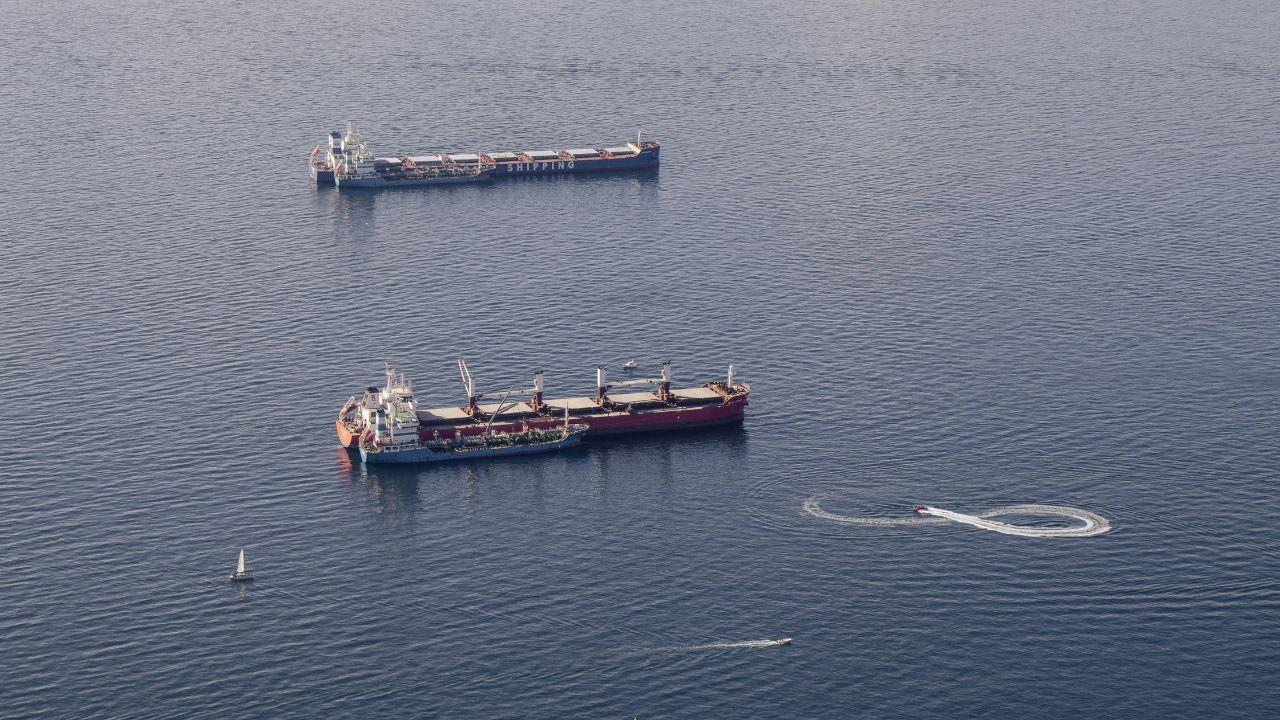
A sudden shift in global energy logistics has taken shape after the United States granted a temporary waiver allowing Russian oil cargoes already at sea to reach India. The 30-day window has provided relief to shipping operators, energy traders, and port authorities who were facing uncertainty as tightening sanctions threatened to disrupt shipments currently moving across international waters.
The decision comes at a sensitive moment for maritime shipping, where oil tankers carrying Russian crude toward Asian markets had been navigating a complex web of restrictions and compliance rules. By allowing cargoes already in transit to complete their voyages, authorities have attempted to avoid chaos across the global tanker network.
For tanker operators and logistics planners, the waiver brings short-term clarity in a market that has become increasingly volatile. The movement of Russian oil cargoes has been central to global energy trade since geopolitical tensions reshaped supply chains and forced buyers to look for alternative suppliers.
India has emerged as one of the largest buyers of discounted Russian crude, making India oil imports a key component of global oil flows. The waiver ensures that tankers currently sailing toward Indian ports will not be forced to reroute or remain stranded at sea while regulatory uncertainties are resolved.
Major Indian ports are now preparing to handle these incoming shipments, which form part of a wider supply network connecting oil producers, shipping companies, and refineries across continents. Efficient port coordination is crucial to prevent congestion and ensure smooth discharge operations once tankers arrive.
The situation also highlights how global maritime shipping infrastructure plays a crucial role in stabilizing energy supply chains. Ports, tanker fleets, and logistics operators must constantly adapt to changing regulatory frameworks while ensuring cargo continues to move without interruption.
India’s growing reliance on diversified crude supplies has placed the country at the center of shifting energy trade patterns. Over the past few years, India oil imports from Russia have increased dramatically as refiners sought competitive pricing and stable supply amid global volatility.
This waiver ensures that those shipments already committed and loaded onto tankers can reach their destinations without triggering immediate disruptions. Energy markets often react sharply to uncertainty, and even a short administrative window like this can help calm shipping routes and trading activity.
While the 30-day waiver provides breathing space for Russian oil cargoes, it also underscores the fragile balance shaping international energy trade. Every regulatory adjustment now has ripple effects across tanker routes, refinery supply chains, and global commodity markets.
For now, maritime shipping networks appear to have avoided a sudden logistical shock. But the episode serves as a reminder that in today’s interconnected world, even a single policy decision can reshape how oil moves across oceans and into the world’s fastest-growing economies.
Russian oil cargoes, maritime shipping, India oil imports









Advances in Aerospace Technology and Commercial Aviation Recovery
Insights into breakthrough aerospace technologies and commercial aviation’s recovery amid 2025 chall

Defense Modernization and Strategic Spending Trends
Explore key trends in global defense modernization and strategic military spending shaping 2025 secu

Tens of Thousands Protest in Serbia on Anniversary of Deadly Roof Collapse
Tens of thousands in Novi Sad mark a year since a deadly station roof collapse that killed 16, prote

Canada PM Carney Apologizes to Trump Over Controversial Reagan Anti-Tariff Ad
Canadian PM Mark Carney apologized to President Trump over an Ontario anti-tariff ad quoting Reagan,

The ad that stirred a hornets nest, and made Canadian PM Carney say sorry to Trump
Canadian PM Mark Carney apologizes to US President Trump after a tariff-related ad causes diplomatic

Bengaluru-Mumbai Superfast Train Approved After 30-Year Wait
Railways approves new superfast train connecting Bengaluru and Mumbai, ending a 30-year demand, easi



