Post by : Avinab Raana
Photo : X / Sunny
A sudden escalation of geopolitical tensions around the Strait of Hormuz has sent shockwaves through the maritime industry, raising alarms across global shipping networks that rely on the narrow but critical sea corridor. The waterway, which connects the Persian Gulf to international sea lanes, remains one of the most strategic shipping routes in the world, handling a massive share of global oil and cargo trade.
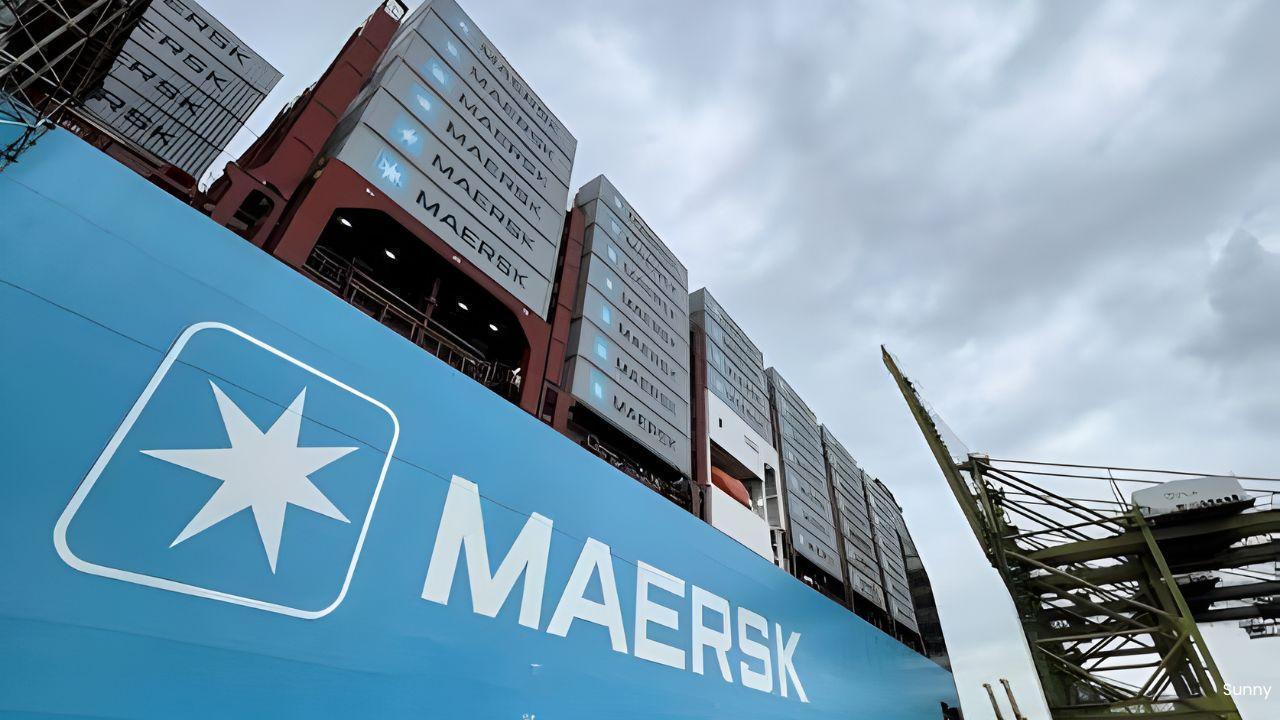
As tensions rise in the region, shipping companies are closely monitoring the situation, with several operators beginning to reassess routes and safety protocols for vessels moving through the Gulf. Among them is global shipping giant Maersk, which has indicated that the evolving security situation could force carriers to adjust operations in one of the world’s busiest maritime corridors.
For global carriers, navigating the Strait of Hormuz has become increasingly complex as geopolitical tensions add uncertainty to already sensitive maritime routes. Shipping companies are now evaluating alternative navigation strategies to protect vessels, cargo, and crews from potential risks.
Large container operators and tanker fleets have intensified monitoring systems, strengthened communication with maritime authorities, and introduced stricter safety protocols for ships operating near the Gulf. For companies like Maersk, these measures are essential to ensure continuity in global shipping while minimizing exposure to potential threats in the region.
The strategic importance of the Strait of Hormuz cannot be overstated. Every day, millions of barrels of crude oil pass through the narrow channel, making it a lifeline for energy markets across Asia, Europe, and beyond. Any disruption to this passage can quickly send ripples through global trade and commodity prices.
With shipping lines reassessing routes and tanker operators becoming more cautious, delays in global shipping flows are already beginning to appear. Cargo shipments may face longer transit times as vessels slow down operations or temporarily avoid high-risk zones until stability returns.
The situation has also highlighted the critical role of advanced navigation technologies in modern maritime operations. Ships operating in high-risk waters rely heavily on electronic navigation systems, satellite tracking, and real-time maritime monitoring to maintain safe passage.
For companies like Maersk, these digital tools are now more important than ever. Real-time maritime intelligence, improved navigation systems, and coordinated port communication help shipping operators make rapid decisions when conditions in the Strait of Hormuz shift unexpectedly.
As the situation continues to evolve, the maritime industry remains on high alert. Ports, shipping lines, and logistics networks across the world are closely watching developments in the Gulf region, aware that any escalation could disrupt global shipping routes that power international trade.
For now, shipping companies are moving cautiously, balancing operational continuity with safety considerations. But the unfolding crisis once again underscores how a single maritime chokepoint like the Strait of Hormuz can influence the stability of global trade and energy supply chains.
Strait of Hormuz, global shipping, Maersk




Advances in Aerospace Technology and Commercial Aviation Recovery
Insights into breakthrough aerospace technologies and commercial aviation’s recovery amid 2025 chall

Defense Modernization and Strategic Spending Trends
Explore key trends in global defense modernization and strategic military spending shaping 2025 secu

Tens of Thousands Protest in Serbia on Anniversary of Deadly Roof Collapse
Tens of thousands in Novi Sad mark a year since a deadly station roof collapse that killed 16, prote

Canada PM Carney Apologizes to Trump Over Controversial Reagan Anti-Tariff Ad
Canadian PM Mark Carney apologized to President Trump over an Ontario anti-tariff ad quoting Reagan,

The ad that stirred a hornets nest, and made Canadian PM Carney say sorry to Trump
Canadian PM Mark Carney apologizes to US President Trump after a tariff-related ad causes diplomatic

Bengaluru-Mumbai Superfast Train Approved After 30-Year Wait
Railways approves new superfast train connecting Bengaluru and Mumbai, ending a 30-year demand, easi



