Post by : Saif
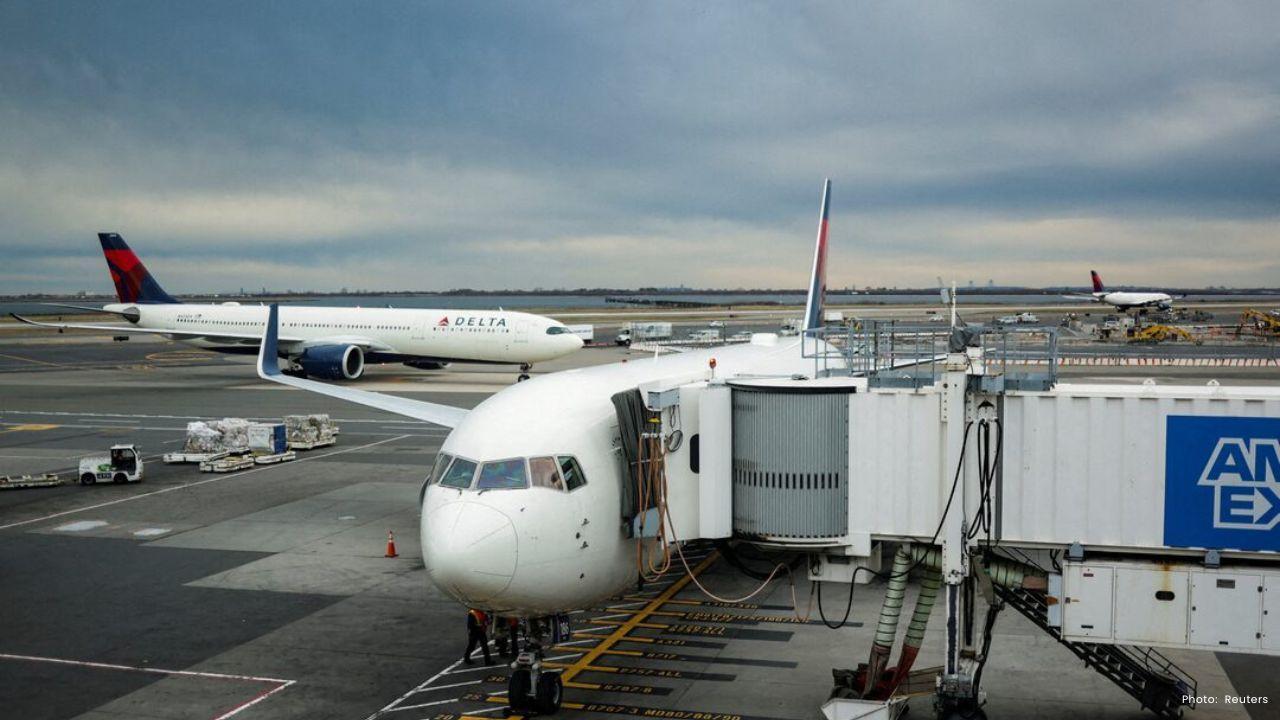
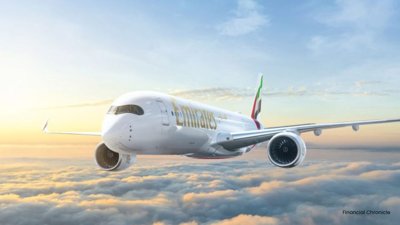
The growing conflict in the Middle East is creating new financial pressure for airlines in the United States. As oil prices rise because of the war involving Iran, many airlines may face higher operating costs. The situation is especially worrying because most major U.S. carriers no longer use fuel hedging, a financial strategy that once helped protect them from sudden increases in fuel prices.
Fuel is one of the largest expenses for airlines. After labor costs, it usually represents a major part of operating expenses. In many cases, fuel can account for between 20 percent and 25 percent of an airline’s total costs. When oil prices rise sharply, airlines can quickly see their profits shrink.
Fuel hedging was once widely used by airlines to manage this risk. In simple terms, hedging means using financial contracts that allow companies to lock in fuel prices in advance. If market prices rise later, airlines that hedged their fuel purchases are protected because they already secured a lower price.
However, most U.S. airlines gradually stopped using this strategy over the past two decades. Some companies said hedging could sometimes cause losses when fuel prices fall instead of rise. In those situations, airlines that locked in higher prices end up paying more than the market rate.
The last major U.S. airline that actively hedged fuel costs was Southwest Airlines. The company became well known for using hedging successfully in the past. But even Southwest ended the practice in 2025, saying the strategy had become expensive and unpredictable.
Now the industry finds itself exposed just as global fuel prices are climbing again. The recent military conflict involving the United States, Israel, and Iran has shaken energy markets. Oil prices have surged due to fears that fighting could disrupt supply routes in the Middle East.
Jet fuel prices have already increased significantly. In the past week alone, jet fuel costs have jumped about 15 percent, according to market data. Higher prices are quickly affecting airline budgets, especially for companies that burn huge amounts of fuel every day.
Airlines use enormous quantities of fuel to operate their fleets. Even small changes in fuel prices can have a major impact on their finances. For example, industry filings show that a one-cent increase in the price of jet fuel per gallon can raise annual costs by about $40 million for Delta Air Lines. For American Airlines, the increase can reach around $50 million.
Because U.S. airlines are mostly unhedged, they must pay whatever the market price is at the time they buy fuel. If the conflict continues and oil prices stay high for months, airlines may face billions of dollars in extra expenses.
Analysts estimate that four major U.S. carriers — American Airlines, Delta Air Lines, United Airlines, and Southwest Airlines — could face about $5.8 billion in additional fuel costs over a year if prices remain at current levels.
The aviation industry is already dealing with several challenges linked to the Middle East crisis. Many flights have been cancelled or rerouted because of safety concerns and airspace closures in the region. Thousands of passengers have been stranded as airlines adjust their schedules.
Higher oil prices also affect the global airline market. Shares of airline companies in several regions have fallen as investors worry about rising fuel expenses and travel disruptions. Analysts say airlines with little protection against fuel price changes are especially vulnerable.
In contrast, some European and Asian airlines still use hedging strategies. Companies such as Air France-KLM and Cathay Pacific maintain fuel hedging programs to help reduce the risk of price spikes. These strategies can provide short-term protection when oil markets become unstable.
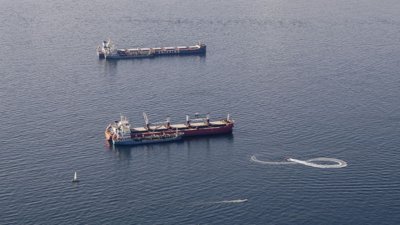
The ongoing conflict is also creating uncertainty about the future of global energy supplies. The Strait of Hormuz, one of the world’s most important oil shipping routes, has been affected by the crisis. Roughly 20 percent of global oil and natural gas normally passes through this narrow waterway, meaning disruptions there can quickly push energy prices higher worldwide.
For airlines, this uncertainty makes financial planning more difficult. Fuel prices can change rapidly depending on geopolitical events, supply disruptions, or shifts in global demand.
Some analysts believe airlines may try to offset rising fuel costs by increasing ticket prices if the situation continues. Higher operating expenses often lead airlines to pass part of the cost to passengers through more expensive fares.
However, raising prices also carries risks. If tickets become too expensive, demand for travel may fall, which could hurt airline revenue in other ways.
For now, the aviation industry is closely watching developments in the Middle East. The length and intensity of the conflict will play a major role in determining how severe the financial impact becomes.
If tensions ease and oil prices stabilize, airlines may avoid major losses. But if the conflict continues to disrupt energy markets, carriers without fuel hedging may face a difficult financial period ahead.
The situation highlights how closely the global aviation industry is linked to energy markets and geopolitical events. A conflict thousands of miles away can quickly affect airlines, passengers, and economies around the world.
#trending #latest #USAirlines #JetFuelPrices #IranConflict #OilPrices #AviationIndustry #AirlineEconomy #GlobalEnergy #AirTravel #Geopolitics #armustnews





Advances in Aerospace Technology and Commercial Aviation Recovery
Insights into breakthrough aerospace technologies and commercial aviation’s recovery amid 2025 chall

Defense Modernization and Strategic Spending Trends
Explore key trends in global defense modernization and strategic military spending shaping 2025 secu

Tens of Thousands Protest in Serbia on Anniversary of Deadly Roof Collapse
Tens of thousands in Novi Sad mark a year since a deadly station roof collapse that killed 16, prote

Canada PM Carney Apologizes to Trump Over Controversial Reagan Anti-Tariff Ad
Canadian PM Mark Carney apologized to President Trump over an Ontario anti-tariff ad quoting Reagan,

The ad that stirred a hornets nest, and made Canadian PM Carney say sorry to Trump
Canadian PM Mark Carney apologizes to US President Trump after a tariff-related ad causes diplomatic

Bengaluru-Mumbai Superfast Train Approved After 30-Year Wait
Railways approves new superfast train connecting Bengaluru and Mumbai, ending a 30-year demand, easi



