Post by : Saif
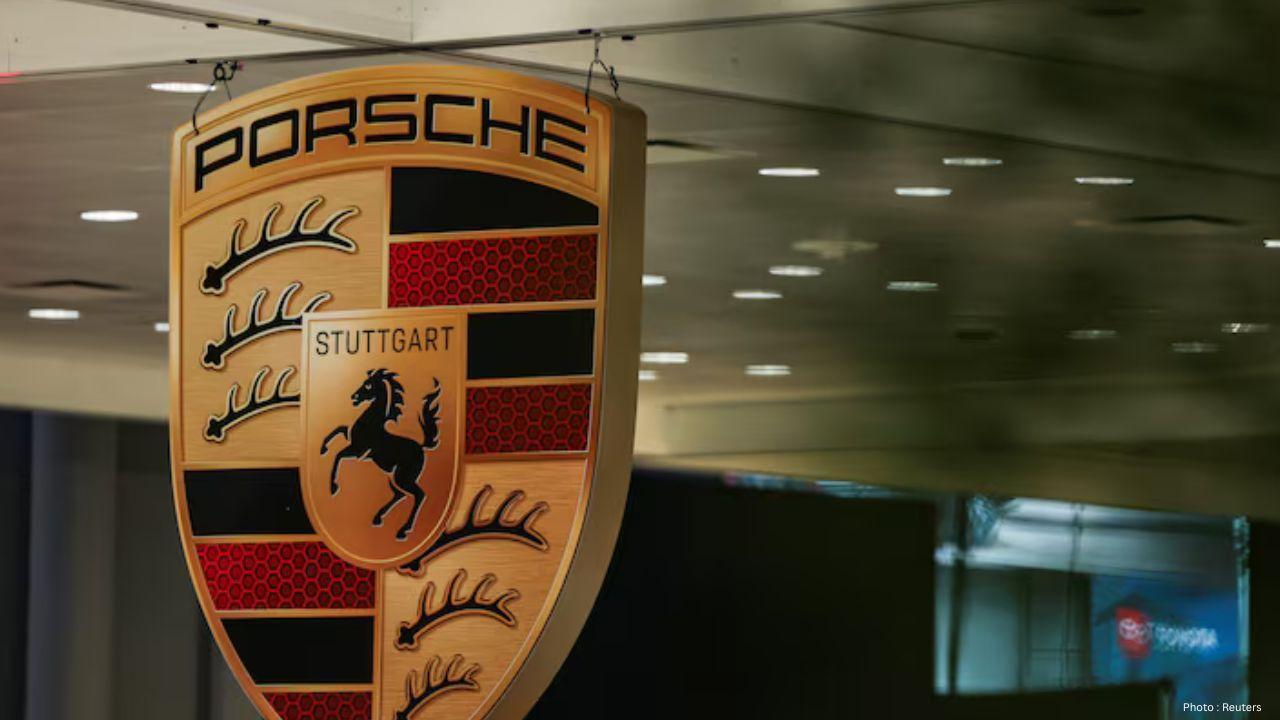
Porsche is preparing to finalise a new cost-cutting package by July as the German luxury carmaker faces rising financial pressure from weak demand in China, high tariff costs, and the expensive transition to electric vehicles. The move comes at a difficult time for the company, which is trying to protect profits while also reshaping its long-term business strategy in a global auto market that has become more uncertain and more competitive.
The company’s leadership wants the new savings package ready before factory holidays begin in July, a sign that management sees the situation as urgent. Porsche has already taken steps in recent months to tighten spending and reorganise parts of the business, but the latest push suggests that earlier measures have not been enough to fully address the pressure building around the brand.
For a company long known for strong profit margins, premium pricing, and a loyal global customer base, the need for another cost-cutting plan marks a major shift. Porsche is no longer operating in the comfortable market conditions that once helped luxury carmakers grow with relative ease. It is now facing a more difficult environment where even well-known performance brands must rethink costs, strategy, and future investment priorities.
A New Cost-Cutting Plan at a Critical Time
The latest savings package is expected to become the second major cost-cutting effort in a relatively short period. That alone shows how serious the challenge has become. When a carmaker returns so quickly with another round of cuts, it usually means that the business is dealing with more than a temporary slowdown. It points to deeper structural pressure.
Porsche’s management appears determined to avoid a long period of uncertainty. By trying to complete the package before the summer break, company leaders are sending a message to workers, investors, and suppliers that decisions will not be delayed. In a business environment where confidence matters, speed can be almost as important as the actual measures.
The details of the new package have not yet been fully made public, but its broad purpose is clear. Porsche wants to reduce its cost base, improve efficiency, and create more financial room to deal with a market that is changing quickly. That means the company is not just trying to save money for the next quarter. It is trying to build a structure that can better handle weaker sales, tougher competition, and high spending needs in the years ahead.
Why Porsche Is Under Pressure
Porsche’s current difficulties are not the result of one single problem. They come from several challenges hitting the company at the same time.
Weak Demand in China
China has been one of the most important markets for global luxury car brands for many years. For Porsche, it has been a major source of both sales volume and strong profits. But that market has become far more difficult. Economic weakness, changing consumer confidence, and stronger local competition have made it harder for foreign premium brands to keep their old momentum.
When demand slows in a market like China, the effect is larger than a simple drop in unit sales. Luxury carmakers often depend on premium models and wealthy buyers in such markets to support their profit margins. If those sales weaken, the impact spreads across the whole business.
Rising Tariff Costs
Trade pressure has also become a growing burden. Tariffs and related costs have added to Porsche’s financial strain at a time when margins are already under pressure. In the modern auto industry, trade disputes and import duties are no longer background issues. They can directly affect pricing, supply chains, and the ability of a company to stay competitive in key markets.
For Porsche, these extra costs are especially difficult because the company must already spend heavily on technology, model development, and brand positioning. Added tariff expenses reduce flexibility at a time when flexibility is badly needed.
An Expensive EV Transition
Like many traditional carmakers, Porsche has had to rethink its electric vehicle strategy. The shift toward EVs remains important for the future, but the path has not been smooth. Carmakers across Europe and beyond have found that consumer demand for electric models has not always grown as quickly as expected. At the same time, the cost of developing battery technology, software systems, and new vehicle platforms remains very high.
This creates a difficult balance. Porsche must keep investing in future technology so it does not fall behind, but it also has to protect current earnings from petrol and hybrid models. If the EV transition moves too fast, it can hurt profitability. If it moves too slowly, the company risks losing relevance in a changing industry.
Falling Profitability
The most worrying sign for Porsche is the pressure on its profitability. For years, the company stood out because it could sell luxury performance cars while maintaining some of the strongest margins in the industry. That strength is now under pressure. Lower demand, extra costs, and strategic adjustments have all made it harder to protect earnings at previous levels.
When a premium brand begins to lose margin strength, the challenge is not only financial. It can also raise broader questions about pricing power, product strategy, and long-term competitiveness.
What the New Cost-Cutting Package May Include
Although the full details of the new package have not yet been announced, the likely direction is fairly clear. Porsche will probably focus on reducing spending in areas that do not directly support growth, profitability, or core product development.
That could include tighter control over administrative costs, a closer review of investment projects, and more pressure on departments to improve efficiency. The company may also look at procurement, supply chain expenses, management structures, and internal processes that can be simplified.
Workforce planning may also become part of the conversation. Porsche has already taken steps to reduce jobs in certain areas and has reviewed parts of its organisation as it sharpens focus on core operations. That does not automatically mean a dramatic new wave of layoffs is coming, but it does mean employees will be watching closely to see whether the next package affects staffing, hiring, or long-term job security.
At the same time, management is likely to be careful in how it presents the plan. Porsche operates in Germany’s highly structured industrial system, where labour relations, worker councils, and long-term agreements all play an important role. Any cost-cutting plan must therefore balance financial urgency with internal stability.
Why the July Deadline Matters
The July target is important for more than scheduling reasons. It reflects the company’s attempt to regain control of the narrative around its business. A clear deadline allows management to show that it understands the urgency of the moment and is willing to act quickly.
If Porsche reaches an agreement before the factory holidays, it can enter the second half of the year with a clearer roadmap. That would allow the company to focus on execution rather than prolonged internal debate. It would also reduce uncertainty for employees who want to know how the company plans to respond to the current downturn.
For Porsche’s leadership, this is also a test of credibility. It is one thing to say the business must become leaner and more efficient. It is another to put a detailed package on the table, win support for it, and then deliver real results. The July deadline therefore carries both practical and symbolic importance.
Read More: Porsche SE Reports Major Earnings Hit as Volkswagen Struggles
A Wider Problem for the Auto Industry
Porsche’s difficulties are serious, but they are not unique. The wider auto industry is going through one of its most challenging periods in years. Carmakers are facing slower EV demand than many had expected, intense competition from Chinese brands, high software and battery development costs, and growing uncertainty around trade policy.
Even luxury manufacturers are not protected from these forces. In some cases, they may feel the pressure more sharply because their business depends so heavily on strong margins and wealthy buyers who can shift spending when confidence weakens. The old model of relying on steady premium demand, smooth global growth, and easy pricing power no longer looks safe.
That is why Porsche’s cost-cutting effort matters beyond one company. It reflects a wider truth about the auto sector: even some of the industry’s most respected brands are being forced to adapt to a tougher and less predictable market.
What This Means for Workers and Investors
For employees, the biggest question is how far the new savings package will go. Whenever a company talks about cutting costs, workers naturally worry about jobs, workloads, and long-term stability. If the plan focuses mostly on spending controls and internal efficiency, the impact on staff may be limited. But if management decides deeper cuts are needed, labour tensions could grow.
For investors, the picture is different. Shareholders are likely to welcome any serious plan that shows Porsche is willing to confront falling profitability instead of waiting for market conditions to improve on their own. But they will also want proof that cost-cutting is part of a larger strategy, not just a short-term response to bad numbers.
Saving money can help a company survive a difficult period, but it does not solve every problem. Porsche still needs a convincing path for future growth, a realistic EV strategy, and a way to defend its premium brand strength in a more crowded market.
The Bigger Question for Porsche’s Future
The real challenge for Porsche is not simply how much money it can save by July. It is whether the company can become leaner without damaging the qualities that made it successful in the first place.
Porsche’s identity is built on performance, engineering quality, exclusivity, and pricing power. If cost-cutting becomes too aggressive, it could raise concerns that the company is protecting short-term finances at the expense of long-term brand value. But if management moves too slowly, financial pressure could deepen and leave the business in an even weaker position later.
This is the narrow path Porsche must now follow. It needs to become more efficient without appearing weakened, more disciplined without looking defensive, and more focused without losing the premium image that customers expect.
Conclusion
Porsche’s push to finalise a new cost-cutting package by July shows how sharply conditions have changed for one of Europe’s best-known luxury carmakers. Weak China demand, tariff pressure, a difficult electric vehicle transition, and falling profitability have all combined to create a much tougher business environment. The company now appears determined to respond quickly, with management aiming to settle the next round of savings measures before the summer factory break.
The coming weeks will be important. If Porsche can present a clear and credible plan that lowers costs while protecting long-term brand strength, it may begin to rebuild confidence among employees, investors, and customers. But if the package looks too narrow or fails to address deeper strategic problems, questions about the company’s direction will only grow louder.
#trending #latest #Porsche #PorscheNews #LuxuryCars #AutoIndustry #CarIndustry #ElectricVehicles #EVTransition #ChinaAutoMarket #GermanAutomaker #BusinessNews #AutomotiveNews #CostCutting #LuxuryCarmaker



Advances in Aerospace Technology and Commercial Aviation Recovery
Insights into breakthrough aerospace technologies and commercial aviation’s recovery amid 2025 chall

Defense Modernization and Strategic Spending Trends
Explore key trends in global defense modernization and strategic military spending shaping 2025 secu

Tens of Thousands Protest in Serbia on Anniversary of Deadly Roof Collapse
Tens of thousands in Novi Sad mark a year since a deadly station roof collapse that killed 16, prote

Canada PM Carney Apologizes to Trump Over Controversial Reagan Anti-Tariff Ad
Canadian PM Mark Carney apologized to President Trump over an Ontario anti-tariff ad quoting Reagan,

The ad that stirred a hornets nest, and made Canadian PM Carney say sorry to Trump
Canadian PM Mark Carney apologizes to US President Trump after a tariff-related ad causes diplomatic

Bengaluru-Mumbai Superfast Train Approved After 30-Year Wait
Railways approves new superfast train connecting Bengaluru and Mumbai, ending a 30-year demand, easi



