Post by : Saif
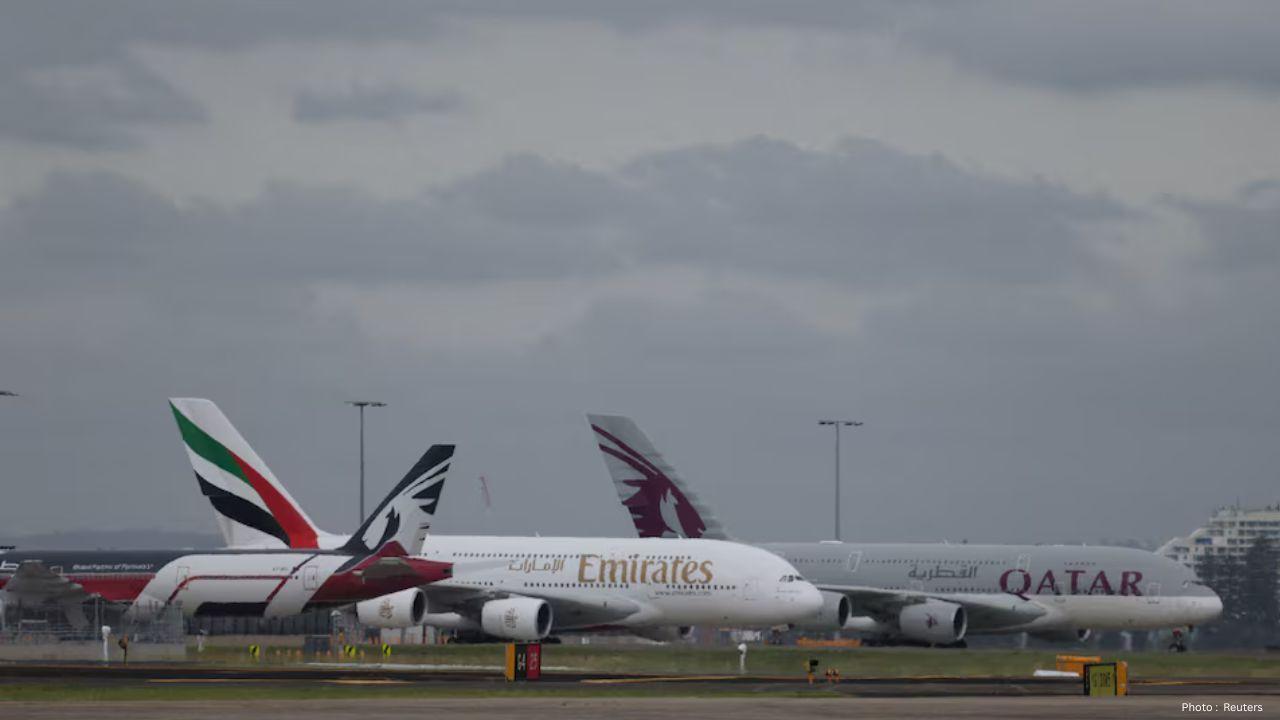
Gulf airlines are returning to near pre-war flight levels as regional air travel recovers from months of disruption caused by conflict-related concerns. Major carriers across the Middle East have restored a large portion of their schedules, signaling renewed confidence in the aviation sector and offering a positive outlook for passengers, businesses, and tourism industries.
The recovery marks an important turning point for the region's transportation network. Airlines that were forced to reduce services, reroute flights, or temporarily suspend routes are now rebuilding operations as conditions improve. The increase in flight activity reflects growing demand for travel and stronger confidence in regional stability.
Aviation Sector Moves Toward Stability
Air travel is a vital part of the Gulf economy. Major hubs such as Dubai, Doha, Abu Dhabi, and Riyadh connect millions of passengers each year, linking Asia, Europe, Africa, and other global destinations.
During periods of heightened regional tensions, many airlines faced operational challenges. Airspace restrictions, security concerns, and changing travel patterns affected schedules and passenger demand. As a result, several routes were adjusted or temporarily suspended.
Now, airlines are steadily increasing services and restoring connections. Industry figures indicate that flight activity has climbed close to levels seen before the disruptions began. This progress is being welcomed by travelers, businesses, and tourism operators throughout the region.
Passenger Confidence Begins to Return
A key sign of recovery is the return of passenger confidence. Travelers are once again booking flights for business trips, vacations, educational travel, and family visits.
Airports across the Gulf are reporting stronger passenger traffic as more people feel comfortable making travel plans. Reliable schedules and improved operational stability are encouraging travelers to commit to future journeys.
For airline companies, higher demand translates into increased ticket sales and stronger financial performance. The recovery is helping carriers rebuild after a period of uncertainty and operational challenges.
Economic Benefits Extend Beyond Airlines
The revival of air travel supports a wide range of industries beyond aviation. Hotels, restaurants, shopping centers, transport providers, and tourism businesses all benefit when passenger numbers increase.
Gulf countries have spent years developing their position as major global travel and business destinations. A strong airline network plays a central role in achieving those goals by connecting international visitors, investors, and companies to the region.
Cargo services are also benefiting from improved flight operations. Air freight remains essential for global trade, allowing businesses to move goods quickly and efficiently between markets.
Challenges Still Remain
Despite the positive trend, airlines continue to face several challenges. Regional security developments can still influence flight routes and operating decisions. Companies must remain flexible and prepared for unexpected changes.
Fuel costs remain another important concern. Changes in energy prices can affect operating expenses and profit margins. Airlines must balance rising costs while maintaining competitive fares and high service standards.
Competition within the global aviation market also remains strong. Carriers will need to continue investing in customer service, efficiency, and innovation to maintain growth.
Regional Connectivity Gains Momentum
The increase in flight operations is improving connectivity throughout the Middle East and beyond. Better transportation links support trade, tourism, cultural exchange, and business cooperation between countries.
Business travelers benefit from expanded schedules, while tourists gain easier access to popular destinations. Educational institutions, international organizations, and multinational companies also depend on reliable air connections.
Governments across the region continue investing in airports and aviation infrastructure to support future growth. These investments are expected to strengthen the Gulf's position as a leading global aviation center.
The months ahead will be important for the industry's continued recovery. If stability remains in place, airlines may introduce additional routes and increase flight frequencies.
Industry experts believe growing passenger demand and stronger economic activity could support further expansion. Continued cooperation between governments, aviation regulators, and carriers will remain essential for maintaining safe and efficient operations.
Conclusion
The return of Gulf airlines to near pre-war flight levels highlights the resilience of the region's aviation sector. After facing significant challenges, carriers are rebuilding services, restoring connections, and helping support economic growth.
Improved flight activity is strengthening travel confidence, boosting tourism, and enhancing international connectivity. While challenges remain, the current recovery offers a positive sign for the future of aviation in the Middle East and reinforces the region's role as a key global transportation hub.
#trending #latest #GulfAirlines #MiddleEastAviation #AirTravelRecovery #AviationNews #MiddleEastNews #AirlineIndustry #RegionalTravel #FlightOperations #GlobalAviation #TravelIndustry #TourismRecovery #AirlineBusiness








Advances in Aerospace Technology and Commercial Aviation Recovery
Insights into breakthrough aerospace technologies and commercial aviation’s recovery amid 2025 chall

Defense Modernization and Strategic Spending Trends
Explore key trends in global defense modernization and strategic military spending shaping 2025 secu

Tens of Thousands Protest in Serbia on Anniversary of Deadly Roof Collapse
Tens of thousands in Novi Sad mark a year since a deadly station roof collapse that killed 16, prote

Canada PM Carney Apologizes to Trump Over Controversial Reagan Anti-Tariff Ad
Canadian PM Mark Carney apologized to President Trump over an Ontario anti-tariff ad quoting Reagan,

The ad that stirred a hornets nest, and made Canadian PM Carney say sorry to Trump
Canadian PM Mark Carney apologizes to US President Trump after a tariff-related ad causes diplomatic

Bengaluru-Mumbai Superfast Train Approved After 30-Year Wait
Railways approves new superfast train connecting Bengaluru and Mumbai, ending a 30-year demand, easi



