Post by : Saif
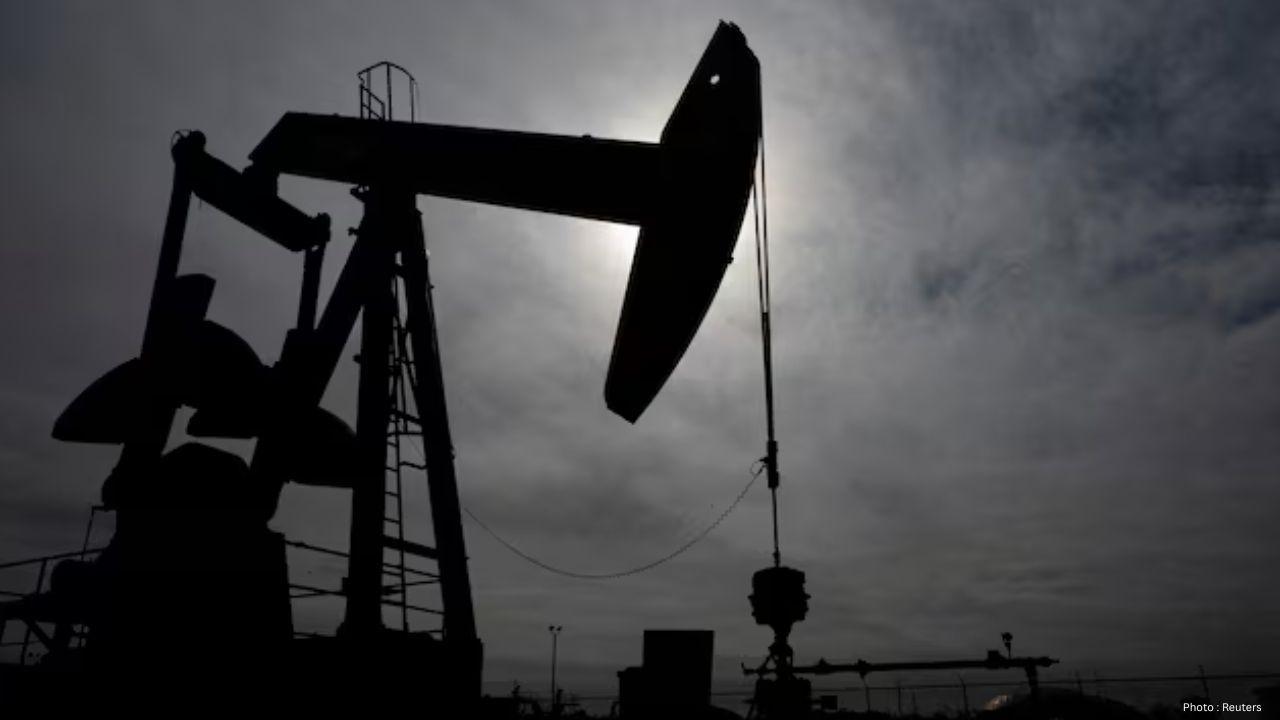
Oil prices moved lower on Friday as energy supplies began flowing again through the Strait of Hormuz, one of the world's most important shipping routes for crude exports. The decline came after signs that tanker traffic was returning following a U.S.-Iran peace agreement that helped ease concerns about disruptions in the Middle East energy market.
The latest development has provided relief to governments, businesses, and consumers who had been worried about rising fuel costs during months of uncertainty. With vessels once again moving through the strategic waterway, traders are becoming more confident that global energy supplies will remain stable in the near term.
Energy Markets Respond to Improved Supply Conditions
Global crude benchmarks fell after evidence showed that shipments were beginning to move through the Strait of Hormuz. Brent crude dropped to around $79 per barrel, while U.S. West Texas Intermediate also declined as traders reacted to expectations of increased availability in international markets.
For months, the closure and disruption of the route had created concerns about shortages. The waterway normally handles a significant share of the world's seaborne petroleum trade, making it one of the most closely watched locations in the global energy industry.
As confidence returned, fears of supply constraints began to ease, placing downward pressure on prices.
Tankers Begin Moving Again
One of the strongest signs of recovery came from the movement of large oil tankers that had been waiting in the Gulf region. Several vessels carrying millions of barrels of crude successfully resumed their journeys after the diplomatic agreement between Washington and Tehran.
Shipping data showed that cargoes stranded for weeks were finally heading toward international buyers. The reopening has allowed producers and exporters to restart deliveries that had been delayed by regional tensions.
Although some challenges remain, the return of maritime traffic is being viewed as an important step toward restoring normal trade conditions.
Large Volumes of Oil Returning to Market
Analysts expect a significant amount of crude to reach customers in the coming weeks. Reports suggest that tens of millions of barrels that had been trapped in the Gulf may now enter global supply chains.
The expected increase in available cargoes has contributed to lower market prices. When more supply becomes available and demand remains stable, values often decline because buyers have more options.
Industry observers believe that producers in countries such as Saudi Arabia, Iraq, Kuwait, and Iran will gradually increase exports as shipping operations continue to normalize.
What This Means for Consumers
Lower crude prices can eventually benefit consumers by reducing pressure on fuel costs. While retail petrol and diesel prices do not always change immediately, a sustained decline in energy markets can help lower transportation and business expenses over time.
Countries that import large amounts of petroleum, including India, often watch these developments closely because energy costs affect inflation, manufacturing, transportation, and household budgets.
A more stable supply situation may also provide relief to industries that depend heavily on fuel, including airlines, logistics companies, and shipping operators.
Challenges Still Remain
Despite the positive developments, uncertainty has not completely disappeared. Market analysts have warned that traders will want to see consistent tanker movement before fully believing that conditions have returned to normal.
There are also continuing concerns about regional security issues and diplomatic challenges that could influence the long-term success of the peace agreement. Reports indicate that some geopolitical tensions remain in the broader Middle East, leading investors to remain cautious.
As a result, energy markets may continue to experience fluctuations while participants assess how durable the current situation proves to be.
Impact on the Global Economy
The reopening of the Strait of Hormuz is important far beyond the oil sector. Stable energy supplies support economic growth by helping businesses plan costs more effectively and reducing uncertainty in financial markets.
When fuel prices rise sharply, transportation becomes more expensive, production costs increase, and inflation can accelerate. By contrast, improved supply conditions can support trade, investment, and consumer spending.
For governments around the world, the return of shipments through this key maritime route is a welcome sign that one of the most significant risks to the global economy may be easing.
Conclusion
The recent fall in oil prices reflects growing confidence that supplies are once again reaching international markets through the Strait of Hormuz. Following the U.S.-Iran peace agreement, tanker traffic has begun to recover, helping reduce fears of shortages and supporting a more stable outlook for the energy sector.
#trending #latest #OilPrices #CrudeOil #StraitOfHormuz #GlobalEnergy #EnergyMarkets #OilMarket #MiddleEastNews #WorldEconomy #OilSupply #EnergySecurity #BrentCrude #WTI #ShippingNews #GlobalTrade #FuelPrices







Advances in Aerospace Technology and Commercial Aviation Recovery
Insights into breakthrough aerospace technologies and commercial aviation’s recovery amid 2025 chall

Defense Modernization and Strategic Spending Trends
Explore key trends in global defense modernization and strategic military spending shaping 2025 secu

Tens of Thousands Protest in Serbia on Anniversary of Deadly Roof Collapse
Tens of thousands in Novi Sad mark a year since a deadly station roof collapse that killed 16, prote

Canada PM Carney Apologizes to Trump Over Controversial Reagan Anti-Tariff Ad
Canadian PM Mark Carney apologized to President Trump over an Ontario anti-tariff ad quoting Reagan,

The ad that stirred a hornets nest, and made Canadian PM Carney say sorry to Trump
Canadian PM Mark Carney apologizes to US President Trump after a tariff-related ad causes diplomatic

Bengaluru-Mumbai Superfast Train Approved After 30-Year Wait
Railways approves new superfast train connecting Bengaluru and Mumbai, ending a 30-year demand, easi



