Post by : Saif
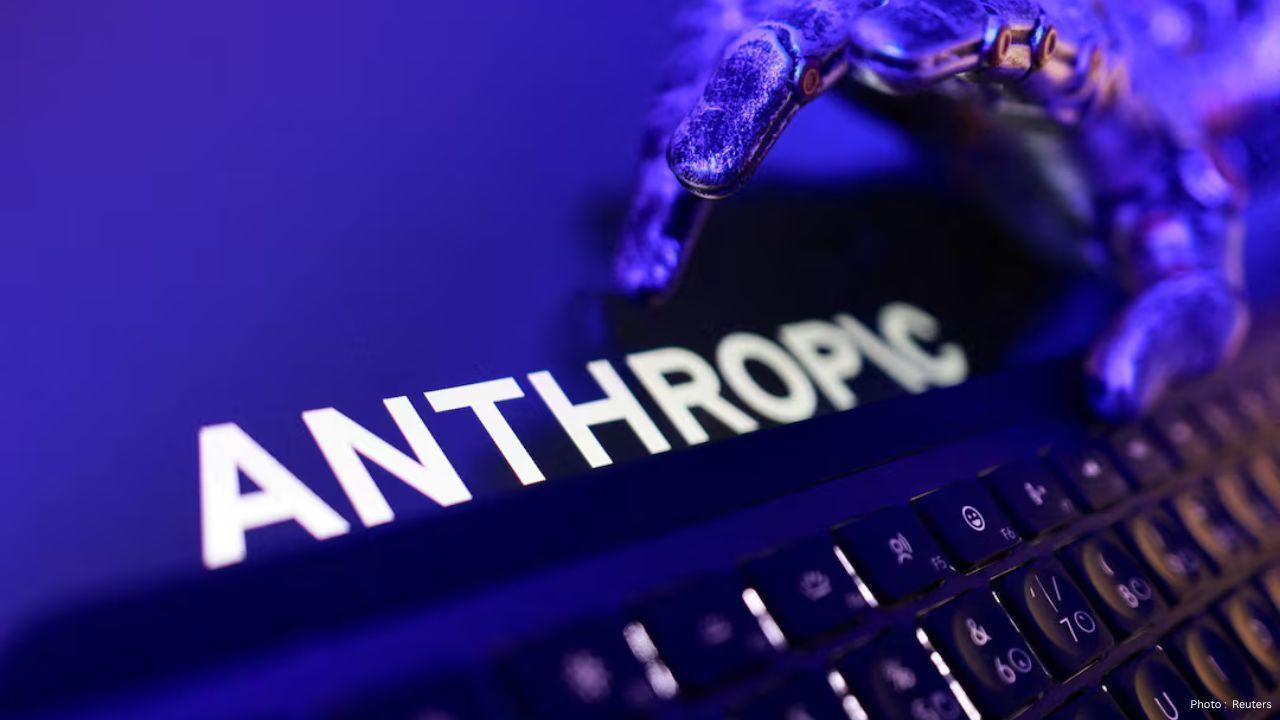
OpenAI and Anthropic are emerging as the two biggest rivals in the rapidly expanding artificial intelligence industry, with both companies competing to shape the future of one of the world's most influential technologies. The growing contest between the AI developers is attracting billions of dollars in investment, drawing attention from governments and businesses worldwide, and raising important questions about innovation, safety, and market leadership.
The competition has become one of the most closely watched developments in the technology sector. While both organizations share a common history, their approaches to developing advanced AI systems have gradually moved in different directions. Anthropic was established by former OpenAI researchers who believed that artificial intelligence should be built with a stronger emphasis on safety, oversight, and long-term responsibility. What began as a difference in vision has evolved into a high-stakes battle involving some of the largest investments in modern technology.
Artificial intelligence has become one of the fastest-growing industries in the world. Businesses are increasingly adopting AI-powered tools to improve productivity, automate routine tasks, assist employees, and provide better services to customers. From education and healthcare to finance and scientific research, the technology is transforming how organizations operate. As demand continues to rise, companies developing advanced AI models are competing to offer the most capable and reliable products.
OpenAI has played a major role in bringing artificial intelligence into everyday use. Its products have introduced millions of people to AI-powered tools capable of generating text, assisting with research, supporting software development, and solving complex problems. The company's success has helped accelerate interest in the sector and encouraged businesses across multiple industries to explore new applications for the technology.
Anthropic has emerged as one of the strongest challengers in this rapidly changing market. The company has focused heavily on creating AI systems that are designed to be helpful, reliable, and aligned with human intentions. This emphasis on safety has helped it attract significant investment and gain the confidence of businesses looking for trustworthy technology solutions. As a result, it has become one of the most influential organizations in the field.
One of the key differences between the two companies lies in how they approach the balance between innovation and risk management. Supporters of rapid development argue that advancing artificial intelligence as quickly as possible can unlock major economic benefits, scientific discoveries, and technological breakthroughs. They believe that slowing progress could delay solutions to important global challenges.
Others argue that powerful AI systems should be introduced carefully. As these technologies become more capable, concerns have increased about misinformation, cybersecurity threats, privacy issues, and the possibility of unintended consequences. Advocates of stronger safeguards believe that developers must ensure appropriate protections are in place before increasingly advanced systems are widely deployed.
The debate has attracted attention from policymakers around the world. Governments are working to understand how artificial intelligence should be regulated while still encouraging innovation. Lawmakers face the challenge of creating rules that protect the public without slowing technological progress. Because OpenAI and Anthropic are among the industry's most influential players, their actions are often closely monitored by regulators and industry observers.
Investment has become another major factor shaping the rivalry. Developing advanced AI models requires enormous computing resources, specialized hardware, and highly skilled researchers. These requirements make artificial intelligence one of the most expensive areas of technology development. Access to funding therefore plays a crucial role in determining which organizations can continue expanding their capabilities.
The competition for talent is equally important. Leading researchers, engineers, and scientists are in high demand as companies seek experts capable of driving innovation. The ability to attract skilled professionals often determines how quickly new products can be developed and improved. This has created an intense race among major AI firms to build the strongest teams possible.
For businesses and consumers, the rivalry is producing significant benefits. Competition encourages organizations to improve their products, develop new features, and offer better services. As companies strive to outperform one another, users gain access to increasingly capable tools that can help with communication, creativity, research, and problem-solving.
At the same time, the rapid pace of development highlights the importance of responsible leadership. Artificial intelligence is becoming deeply integrated into daily life, influencing education, employment, media, healthcare, and many other sectors. Decisions made by leading developers today could have lasting effects on how society uses and understands these technologies in the future.
The growing rivalry between OpenAI and Anthropic is about more than corporate competition. It represents a broader struggle to define the future direction of artificial intelligence and determine how powerful digital systems should be developed. The outcome could influence technological progress, regulatory policies, and business strategies across the world.
As investment continues to flow into the sector and AI capabilities advance at a remarkable pace, the contest between these two industry leaders is likely to remain a central story in global technology. Regardless of which company gains the strongest position, the ultimate challenge will be ensuring that innovation, safety, and public trust advance together. The future of artificial intelligence may depend not only on who builds the most powerful systems but also on who can develop them in a way that benefits society responsibly and sustainably.
#trending #latest #OpenAI #Anthropic #ArtificialIntelligence #AIIndustry #TechnologyNews #AIInnovation #MachineLearning #TechNews #FutureOfAI #AIResearch #DigitalTechnology #Innovation #TechIndustry







Advances in Aerospace Technology and Commercial Aviation Recovery
Insights into breakthrough aerospace technologies and commercial aviation’s recovery amid 2025 chall

Defense Modernization and Strategic Spending Trends
Explore key trends in global defense modernization and strategic military spending shaping 2025 secu

Tens of Thousands Protest in Serbia on Anniversary of Deadly Roof Collapse
Tens of thousands in Novi Sad mark a year since a deadly station roof collapse that killed 16, prote

Canada PM Carney Apologizes to Trump Over Controversial Reagan Anti-Tariff Ad
Canadian PM Mark Carney apologized to President Trump over an Ontario anti-tariff ad quoting Reagan,

The ad that stirred a hornets nest, and made Canadian PM Carney say sorry to Trump
Canadian PM Mark Carney apologizes to US President Trump after a tariff-related ad causes diplomatic

Bengaluru-Mumbai Superfast Train Approved After 30-Year Wait
Railways approves new superfast train connecting Bengaluru and Mumbai, ending a 30-year demand, easi



