Post by : Avinab Raana
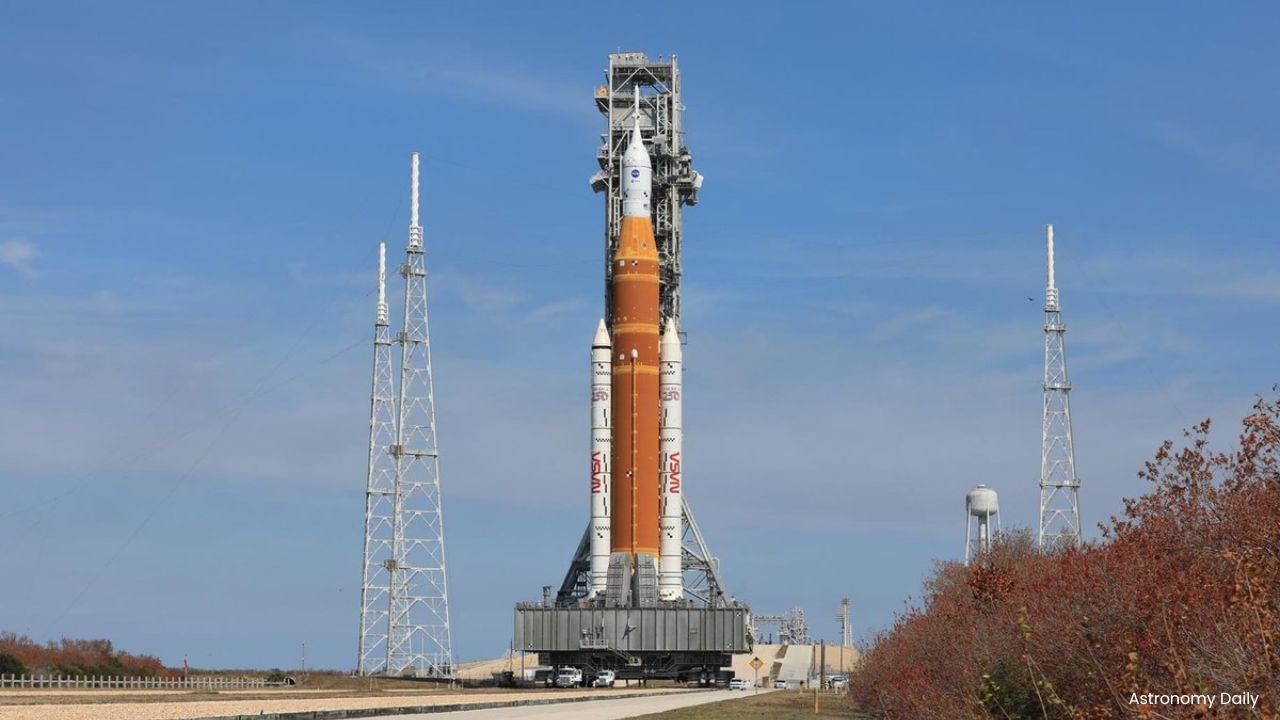
Photo : X / Astronomy Daily
NASA has officially extended the schedule for the historic Artemis Moon landing, pushing the mission timeline to 2028 as part of a broader adjustment to the NASA Artemis program. The delay reflects the immense complexity of sending astronauts back to the lunar surface for the first time in more than five decades. Instead of rushing toward a symbolic deadline, engineers are prioritizing reliability, safety, and mission readiness for what will become the next defining chapter of the NASA Moon mission.
The updated timeline comes as NASA evaluates several technical systems involved in the NASA Artemis program, including spacecraft integration, docking technologies, and mission coordination between multiple vehicles. Returning astronauts to the Moon is far more complex today than during the Apollo era because modern missions involve advanced spacecraft, lunar landers, and orbital stations working together. By delaying the Artemis Moon landing, NASA aims to ensure every component performs flawlessly once astronauts begin their journey.
A key part of the revised strategy includes additional test missions that will validate critical technologies before astronauts descend to the lunar surface. These missions will allow NASA engineers to test spacecraft operations, docking procedures, and system coordination in real-world conditions. Such tests are essential for the long-term goals of the NASA Moon mission, which goes far beyond a single landing and instead focuses on building sustainable exploration around the Moon.
The NASA Artemis program represents a major shift in how space agencies approach lunar exploration. Rather than short visits, the program aims to establish a long-term human presence around and eventually on the Moon. The Artemis Moon landing will be the first step toward this larger vision, paving the way for research stations, international collaboration, and future missions deeper into space.
The extended timeline also unfolds during a period of intense global interest in lunar exploration. Several countries and private space companies are developing their own lunar missions, making the NASA Moon mission a centerpiece of the modern space race. By ensuring the success of the Artemis Moon landing, NASA hopes to maintain leadership in human space exploration while opening the door for international partnerships.
Although the delay pushes the milestone further into the future, the ambition behind the NASA Artemis programremains unchanged. When astronauts finally step onto the Moon again during the Artemis Moon landing, it will mark humanity’s return to the lunar surface after more than half a century. The wait may be longer, but the mission promises to redefine the future of the NASA Moon mission and humanity’s journey beyond Earth.
NASA Artemis program, Artemis Moon landing, NASA Moon mission










Advances in Aerospace Technology and Commercial Aviation Recovery
Insights into breakthrough aerospace technologies and commercial aviation’s recovery amid 2025 chall

Defense Modernization and Strategic Spending Trends
Explore key trends in global defense modernization and strategic military spending shaping 2025 secu

Tens of Thousands Protest in Serbia on Anniversary of Deadly Roof Collapse
Tens of thousands in Novi Sad mark a year since a deadly station roof collapse that killed 16, prote

Canada PM Carney Apologizes to Trump Over Controversial Reagan Anti-Tariff Ad
Canadian PM Mark Carney apologized to President Trump over an Ontario anti-tariff ad quoting Reagan,

The ad that stirred a hornets nest, and made Canadian PM Carney say sorry to Trump
Canadian PM Mark Carney apologizes to US President Trump after a tariff-related ad causes diplomatic

Bengaluru-Mumbai Superfast Train Approved After 30-Year Wait
Railways approves new superfast train connecting Bengaluru and Mumbai, ending a 30-year demand, easi



