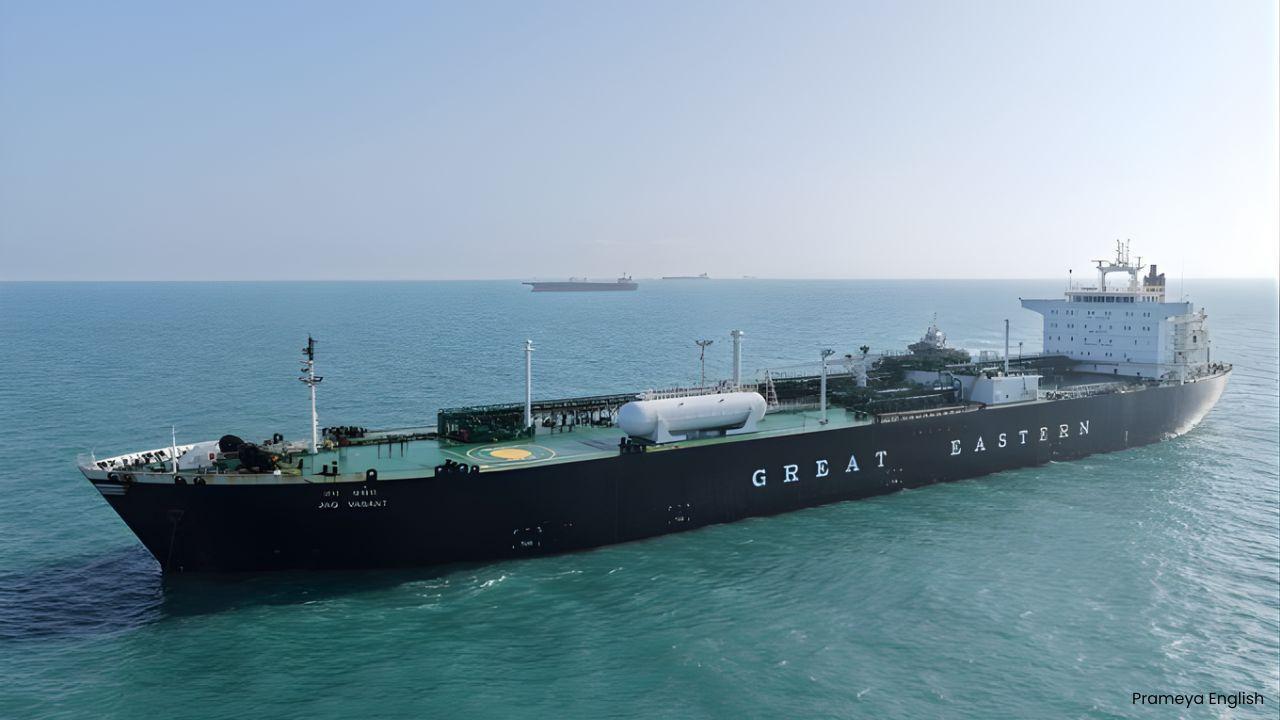
Post by : Avinab Raana
Photo : X / Prameya English
India has taken a decisive digital leap in its clean energy journey with the launch of the MyPNG-D portal, a centralized platform aimed at fast-tracking the transition from LPG to piped natural gas (PNG). As urban demand for cleaner and more efficient energy solutions grows, the government’s move signals a strong commitment to simplifying access, improving transparency, and accelerating adoption across households and commercial users. The portal is designed to bridge the gap between policy intent and on-ground execution, ensuring that the transition to cleaner fuel becomes faster, smoother, and more accessible.
The MyPNG-D portal is built to serve as a one-stop digital interface for consumers seeking PNG connections under the city gas distribution (CGD) network. By digitizing the entire application and approval process, the platform eliminates traditional bottlenecks that often delay onboarding. Users can now apply, track, and manage their PNG connection requests in real time, reducing dependency on manual processes and enhancing overall efficiency.
This streamlined approach is expected to significantly reduce turnaround times, enabling faster expansion of PNG infrastructure across urban and semi-urban regions. It also ensures better coordination between stakeholders, including gas distribution companies and regulatory bodies.
The launch of the portal aligns with India’s broader strategy to expand its CGD network and increase the share of natural gas in the country’s energy mix. PNG is widely considered a cleaner, safer, and more cost-effective alternative to LPG, especially for urban households and industries. By promoting PNG adoption, the government aims to reduce carbon emissions, improve air quality, and enhance energy efficiency.
The digital platform is expected to play a critical role in scaling up connections, particularly in newly developed urban clusters where infrastructure deployment is already underway. This integration of technology with infrastructure development reflects a modern approach to energy distribution.
For consumers, the shift from LPG to PNG offers multiple advantages continuous supply, reduced storage risks, and potentially lower long-term costs. The MyPNG-D portal enhances these benefits by making the transition process more user-friendly and transparent. With real-time tracking and simplified documentation, users can make informed decisions without navigating complex procedures. This convenience factor is likely to drive higher adoption rates, especially among younger, tech-savvy urban populations who value efficiency and digital accessibility.
The introduction of the MyPNG-D portal highlights a broader trend where digital platforms are transforming traditional energy distribution systems. By leveraging technology, the government is not only improving service delivery but also creating a scalable model that can support future energy transitions.
For gas distribution companies, this means improved operational efficiency, better customer engagement, and enhanced data-driven decision-making. It also sets a benchmark for how digital tools can be integrated into large-scale infrastructure projects.
The launch of the MyPNG-D portal is more than just a technological upgrade, it represents a shift toward a cleaner, smarter, and more connected energy ecosystem. As India continues to urbanize and energy demand rises, such initiatives will be crucial in balancing growth with sustainability.
By simplifying access to cleaner fuels and accelerating infrastructure rollout, the government is laying the foundation for a future where energy is not only efficient but also environmentally responsible. In the evolving global energy landscape, India’s digital-first approach could emerge as a model for other developing economies.
MyPNG-D portal India, LPG to PNG transition, city gas distribution India, clean energy India policy







Advances in Aerospace Technology and Commercial Aviation Recovery
Insights into breakthrough aerospace technologies and commercial aviation’s recovery amid 2025 chall

Defense Modernization and Strategic Spending Trends
Explore key trends in global defense modernization and strategic military spending shaping 2025 secu

Tens of Thousands Protest in Serbia on Anniversary of Deadly Roof Collapse
Tens of thousands in Novi Sad mark a year since a deadly station roof collapse that killed 16, prote

Canada PM Carney Apologizes to Trump Over Controversial Reagan Anti-Tariff Ad
Canadian PM Mark Carney apologized to President Trump over an Ontario anti-tariff ad quoting Reagan,

The ad that stirred a hornets nest, and made Canadian PM Carney say sorry to Trump
Canadian PM Mark Carney apologizes to US President Trump after a tariff-related ad causes diplomatic

Bengaluru-Mumbai Superfast Train Approved After 30-Year Wait
Railways approves new superfast train connecting Bengaluru and Mumbai, ending a 30-year demand, easi



