Post by : Saif
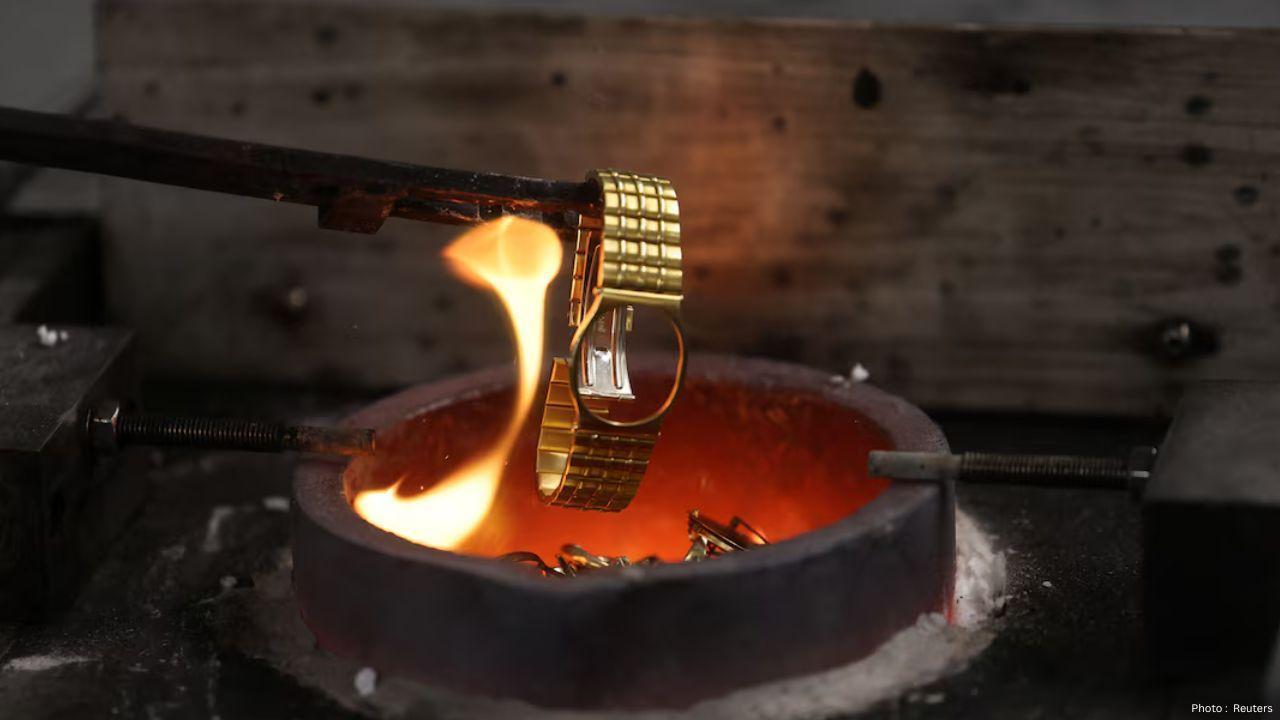
Gold has always been seen as a valuable asset during uncertain economic times. When prices rise sharply, people often look for ways to profit from the precious metal they already own. Today, that trend is creating an unexpected problem in the luxury watch industry. Around the world, some vintage gold watches are being melted down for their metal value instead of being preserved as collectible timepieces. What may appear to be a smart financial decision is also leading to the loss of pieces of watchmaking history that can never be replaced.
The growing interest in gold has pushed prices to levels that make many older watches worth more as raw metal than as second-hand luxury items. For some owners, the choice becomes simple. If a watch can earn more money by being melted than by being sold to a collector, the financial reward often outweighs historical or emotional considerations. This shift is changing how many people view older luxury products and creating concern among collectors and industry experts.
Luxury watches have traditionally been admired for their craftsmanship, design, and engineering. Many were built by skilled watchmakers who spent years perfecting their techniques. Some models represent important moments in the history of watchmaking and reflect the fashion and technology of their era. However, not every vintage watch becomes a highly sought-after collectible. While a small number of famous models continue to attract strong demand, many others struggle to maintain their market value.
As a result, some owners are finding that the gold inside their watches has become more valuable than the watch itself. Dealers who buy and sell precious metals are seeing increased interest from people looking to cash in on rising gold prices. Older watches that once sat forgotten in drawers, safes, or family collections are now being evaluated primarily for their metal content.
The trend highlights the powerful influence of commodity markets. When gold prices climb, they can affect industries far beyond mining and finance. Jewelry, luxury goods, and even antiques can suddenly be viewed through a different lens. Instead of focusing on design, history, or rarity, people begin calculating the value of the raw material contained within an item.
This development is especially significant because many vintage watches are no longer manufactured. Once a watch is melted, it is gone forever. The design, movement, and craftsmanship that made it unique disappear permanently. Future collectors, historians, and enthusiasts lose the chance to study or appreciate those pieces.
For watch collectors, the situation is troubling. They argue that every time a historic timepiece is destroyed, part of the industry's heritage vanishes. Many older watches tell stories about changing technology, consumer tastes, and manufacturing methods. They are not simply objects made of gold. They are examples of human creativity and skilled craftsmanship.
At the same time, it is important to understand the perspective of owners. Not everyone sees a watch as a museum piece. Some inherit watches they do not wear. Others may need money for personal or financial reasons. In those situations, the immediate value offered by high gold prices can be difficult to ignore. For many families, practical financial needs naturally take priority over preserving collectibles.
The trend also reveals an important difference within the luxury market. Certain brands and rare models continue to command high prices because collectors actively seek them out. These watches often remain worth far more than their gold content. However, less popular pieces may not attract the same level of demand. As a result, they become more vulnerable to being melted when precious metal prices rise.
Economic uncertainty has also contributed to the situation. Investors often turn to gold during periods of market volatility because it is viewed as a relatively stable store of value. Strong demand from investors pushes prices higher, creating additional incentives to recycle gold from existing products. This cycle encourages more people to examine old possessions for hidden value.
The issue raises broader questions about how society balances profit and preservation. Throughout history, valuable objects have sometimes been destroyed because their raw materials became more desirable than the finished products. Today, vintage watches are becoming another example of that challenge. The decision may make financial sense in the short term, but it can come at the cost of cultural and historical loss.
Some industry experts believe greater awareness could help protect important timepieces. Owners who understand the historical significance of their watches may be more likely to seek advice from collectors, auction houses, or specialists before deciding to sell them for scrap. Better education about vintage watches could help ensure that rare and meaningful examples are preserved for future generations.
The current situation serves as a reminder that markets do not always place value on history in the same way collectors do. Gold can be weighed and priced instantly, while craftsmanship and heritage are harder to measure. Yet those qualities often become more valuable over time as surviving examples grow rarer.
The rise in gold prices is creating both opportunity and concern. Owners have a chance to benefit from strong precious metal markets, but the watch industry risks losing pieces of its past. The challenge is finding a balance between financial reality and cultural preservation. As more vintage watches disappear into melting furnaces, the world may gain additional gold, but it also loses small pieces of history that can never be recreated.
#trending #latest #GoldPrices #LuxuryWatches #VintageWatches #GoldMarket #WatchCollecting #LuxuryIndustry #BusinessNews #PreciousMetals #InvestmentTrends #MarketAnalysis










Advances in Aerospace Technology and Commercial Aviation Recovery
Insights into breakthrough aerospace technologies and commercial aviation’s recovery amid 2025 chall

Defense Modernization and Strategic Spending Trends
Explore key trends in global defense modernization and strategic military spending shaping 2025 secu

Tens of Thousands Protest in Serbia on Anniversary of Deadly Roof Collapse
Tens of thousands in Novi Sad mark a year since a deadly station roof collapse that killed 16, prote

Canada PM Carney Apologizes to Trump Over Controversial Reagan Anti-Tariff Ad
Canadian PM Mark Carney apologized to President Trump over an Ontario anti-tariff ad quoting Reagan,

The ad that stirred a hornets nest, and made Canadian PM Carney say sorry to Trump
Canadian PM Mark Carney apologizes to US President Trump after a tariff-related ad causes diplomatic

Bengaluru-Mumbai Superfast Train Approved After 30-Year Wait
Railways approves new superfast train connecting Bengaluru and Mumbai, ending a 30-year demand, easi



