Post by : Saif
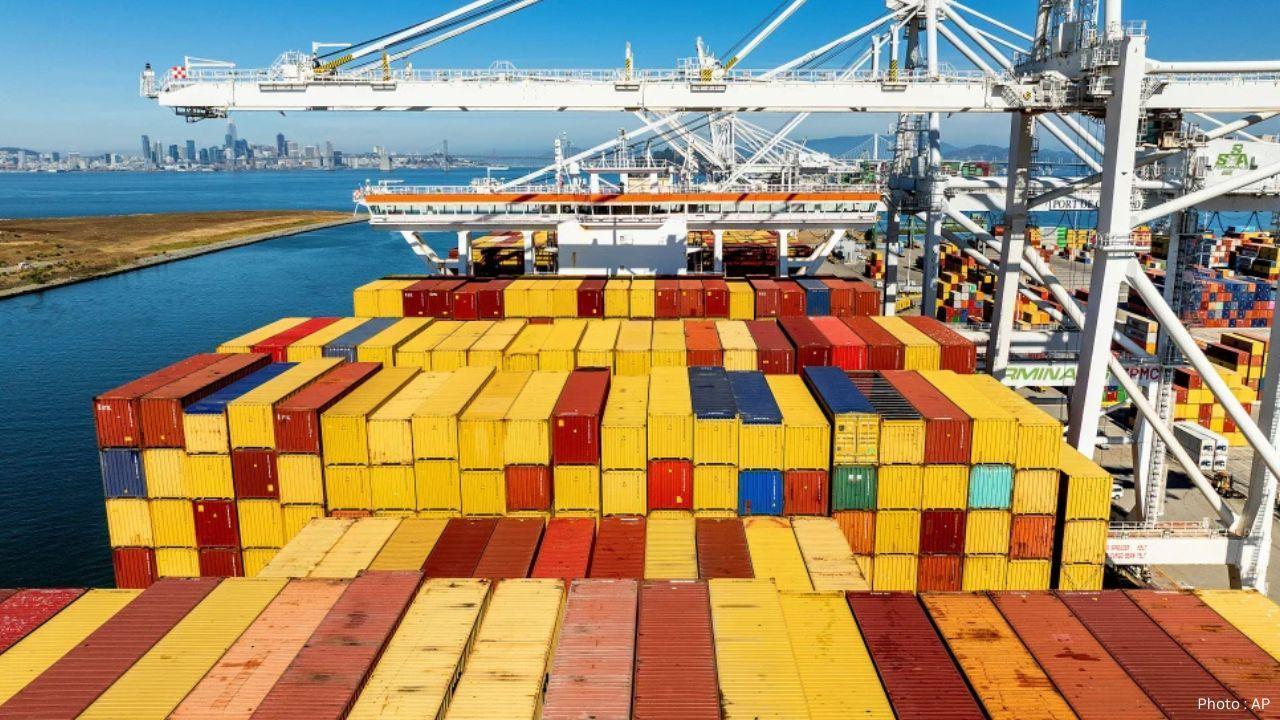
Trump administration has imposed double-digit tariffs on more than 60 countries, citing concerns over forced labor practices and the failure of some governments to enforce restrictions on imports produced through forced labor.
The new measures took effect after temporary global tariffs expired, triggering fresh debate over whether the policy is primarily aimed at protecting human rights or expanding presidential authority over trade.
The administration relied on Section 301 of the Trade Act of 1974, which authorizes the U.S. president to impose tariffs or other trade measures against countries found to engage in unfair or discriminatory trade practices.
According to U.S. officials, the affected countries have either failed to ban imports made with forced labor or have not effectively enforced existing laws.
The new tariff rates are set at 10% or 12.5%, depending on the findings of the U.S. investigation.
The tariffs apply to over 60 countries, representing approximately 99% of U.S. imports, according to the administration.
Several governments have rejected the U.S. assessment, arguing that the tariffs are arbitrary and do not accurately reflect each country's record on forced labor enforcement. Critics also questioned why nations with significantly different labor standards received similar tariff rates.
Read more: US Imposes 25% Tariff on Select Imports From Brazil Under Section 301
Trade experts and legal analysts say the administration's approach could allow the White House to impose long-term tariffs without seeking approval from Congress.
According to legal scholars, Section 301 provides the executive branch with broad authority to respond to trade disputes, making it an attractive legal tool for implementing tariff policies.
Some analysts argue the latest measures effectively replace earlier global tariffs that were invalidated by the U.S. Supreme Court, raising questions about the balance of power between the executive and legislative branches.
The administration maintains that the tariffs are intended to strengthen global efforts against forced labor and encourage trading partners to improve labor standards.
However, opponents argue the policy extends beyond labor rights and serves as a broader trade strategy designed to reshape global supply chains while maintaining import duties that might otherwise require congressional approval.
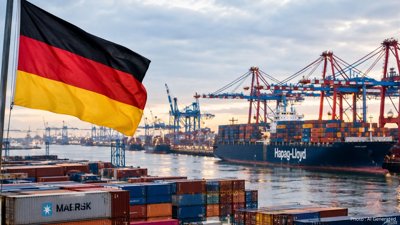
The new tariffs are expected to affect international manufacturers, exporters and supply chains across multiple regions.
Businesses that rely on imported goods may face higher costs, while affected countries could seek diplomatic negotiations or challenge the measures through international trade mechanisms.
Economists say the long-term impact will depend on how trading partners respond and whether the tariffs lead to new trade agreements or legal disputes.
#trending #latest #Trump #USTariffs #TradeWar #GlobalTrade #ForcedLabor #Section301 #USEconomy #InternationalTrade #BusinessNews #Economy #Imports #Exports #SupplyChain #TradePolicy #BreakingNews #WorldNews





Advances in Aerospace Technology and Commercial Aviation Recovery
Insights into breakthrough aerospace technologies and commercial aviation’s recovery amid 2025 chall

Defense Modernization and Strategic Spending Trends
Explore key trends in global defense modernization and strategic military spending shaping 2025 secu

Tens of Thousands Protest in Serbia on Anniversary of Deadly Roof Collapse
Tens of thousands in Novi Sad mark a year since a deadly station roof collapse that killed 16, prote

Canada PM Carney Apologizes to Trump Over Controversial Reagan Anti-Tariff Ad
Canadian PM Mark Carney apologized to President Trump over an Ontario anti-tariff ad quoting Reagan,

The ad that stirred a hornets nest, and made Canadian PM Carney say sorry to Trump
Canadian PM Mark Carney apologizes to US President Trump after a tariff-related ad causes diplomatic

Bengaluru-Mumbai Superfast Train Approved After 30-Year Wait
Railways approves new superfast train connecting Bengaluru and Mumbai, ending a 30-year demand, easi



