Post by : Avinab Raana
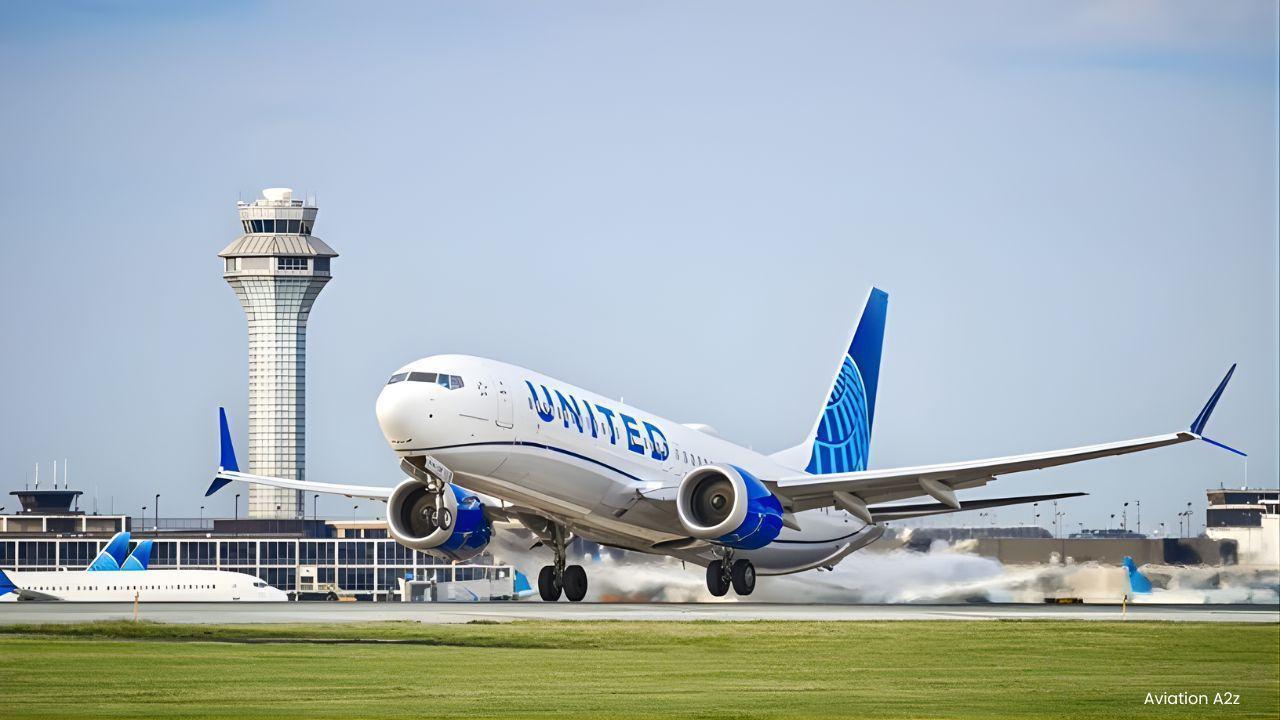
Photo : X / Aviation A2z
A major aviation standoff is unfolding at one of America’s busiest airports as regulators move to introduce a Chicago O’Hare flight cap. The Federal Aviation Administration is stepping in after a sharp increase in scheduled flights by major airlines raised fears that the airport’s infrastructure could struggle to cope. With thousands of daily flights planned during peak travel periods, authorities are considering FAA flight limits to prevent operational gridlock.
At the heart of the situation lies an escalating United American dispute between two of the largest airlines operating at Chicago O’Hare. Both United Airlines and American Airlines have aggressively expanded their flight schedules, aiming to strengthen their dominance at the strategic Midwest hub. This competitive push has dramatically increased the number of planned departures and arrivals, prompting concerns that the airport’s operational capacity could be exceeded.
The proposed Chicago O’Hare flight cap is designed to align airline schedules with the airport’s actual capacity. Aviation authorities worry that if too many flights are scheduled within limited time windows, even minor disruptions such as weather delays or technical issues could trigger widespread chaos. By introducing FAA flight limits, regulators hope to ensure that the airport continues operating efficiently during the busiest travel periods.
The timing of the debate is critical as airlines prepare for the high-demand summer travel season. Passenger numbers are expected to surge, placing enormous pressure on major hub airports. If the Chicago O’Hare flight cap is implemented, airlines may need to adjust schedules, reduce some departures, or shift flights to less crowded time slots. For travelers, the goal is to avoid the cascading delays that often occur when airport capacity is stretched too far.
Chicago O’Hare plays a central role in the U.S. aviation network, serving as a key connecting hub for both domestic and international travel. Because of its position in the national air traffic system, disruptions at the airport can quickly ripple across the entire network. Managing capacity through FAA flight limits could help prevent delays from spreading across multiple airlines and destinations.
The ongoing United American dispute highlights the tension between airline competition and infrastructure limitations. Airlines want to expand their presence at lucrative hubs, but regulators must balance growth with safety and operational stability. The FAA’s decision on the Chicago O’Hare flight cap will determine how airlines manage expansion while maintaining reliability in one of the world’s most complex aviation systems.
The outcome of this debate could set an important precedent for other congested airports across the United States. If FAA flight limits prove necessary at Chicago O’Hare, regulators may adopt similar strategies elsewhere to control congestion. For now, the aviation industry is closely watching how the Chicago O’Hare flight cap unfolds as airlines and regulators navigate the challenges of growing air travel demand.
Chicago O’Hare flight cap, United American dispute, FAA flight limits









Advances in Aerospace Technology and Commercial Aviation Recovery
Insights into breakthrough aerospace technologies and commercial aviation’s recovery amid 2025 chall

Defense Modernization and Strategic Spending Trends
Explore key trends in global defense modernization and strategic military spending shaping 2025 secu

Tens of Thousands Protest in Serbia on Anniversary of Deadly Roof Collapse
Tens of thousands in Novi Sad mark a year since a deadly station roof collapse that killed 16, prote

Canada PM Carney Apologizes to Trump Over Controversial Reagan Anti-Tariff Ad
Canadian PM Mark Carney apologized to President Trump over an Ontario anti-tariff ad quoting Reagan,

The ad that stirred a hornets nest, and made Canadian PM Carney say sorry to Trump
Canadian PM Mark Carney apologizes to US President Trump after a tariff-related ad causes diplomatic

Bengaluru-Mumbai Superfast Train Approved After 30-Year Wait
Railways approves new superfast train connecting Bengaluru and Mumbai, ending a 30-year demand, easi



