Post by : Saif
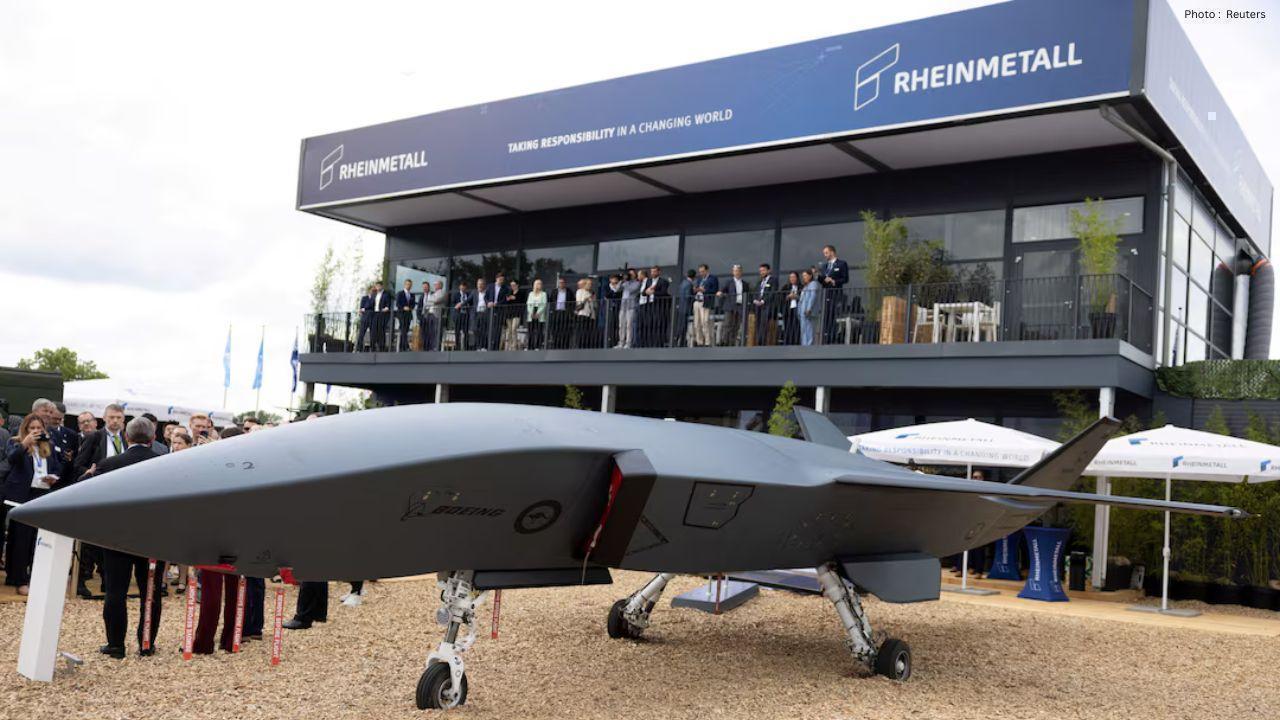
European countries are increasing efforts to modernize their military forces as security concerns continue to evolve. One of the most important developments attracting attention is the rise of wingman aircraft, a new category of unmanned military systems designed to work alongside traditional fighter jets. These aircraft are expected to play a major role in future air operations by supporting pilots, gathering information, and performing high-risk tasks.
As governments across the continent review defense strategies, military planners believe that future conflicts will require faster decision-making, stronger intelligence capabilities, and greater flexibility. The growing interest in wingman aircraft reflects these changing priorities and highlights how modern technology is reshaping national security planning.
A New Chapter in Military Aviation
For decades, fighter jets have been the backbone of air forces around the world. However, advances in technology are creating new possibilities for military operations. Wingman aircraft represent one of the most significant changes in aviation strategy in recent years.
These systems are designed to operate as partners to crewed aircraft rather than replacements. Working together, manned and unmanned platforms can complete missions more efficiently. The aircraft can move ahead of fighter jets, monitor threats, collect intelligence, and assist with complex operations while reducing risks for human pilots.
This approach allows air forces to expand their capabilities without increasing the number of personnel placed directly in danger. Defense experts see this partnership between human decision-making and advanced automation as an important step in the future of air warfare.
Why European Nations Are Increasing Investment
Several factors are driving Europe’s interest in these advanced systems. The security environment has changed significantly over the past few years, encouraging governments to strengthen military readiness and improve defense technology.
Recent conflicts have demonstrated how drones, surveillance systems, electronic warfare tools, and digital communications can influence the outcome of military operations. These lessons have convinced many policymakers that future defense planning must include a stronger focus on unmanned systems and advanced technologies.
Another important reason is the desire for greater technological independence. Many European governments want to develop more defense capabilities within the region rather than relying heavily on equipment produced elsewhere. Building domestic expertise in aerospace and defense technology is increasingly viewed as a strategic priority.
The Growing Role of Artificial Intelligence
Artificial intelligence is expected to become a key part of future military operations. Modern wingman aircraft are being designed with advanced software that can process large amounts of information, identify potential threats, and support mission planning.
Supporters argue that these capabilities can help pilots make better decisions during fast-moving situations. Instead of spending valuable time gathering information manually, crews can receive data more quickly and focus on critical decisions.
At the same time, many experts stress that human oversight must remain central to military operations. Questions about ethics, accountability, and safety continue to be discussed as governments develop policies for the use of advanced autonomous systems.
Opportunities for the Defense Industry
The growing demand for next-generation aircraft is creating opportunities for aerospace companies across Europe. Manufacturers are investing heavily in research, testing, and innovation to develop systems capable of meeting future military requirements.
This investment is not only important for defense purposes but also for economic growth. New projects can support skilled jobs, encourage technological development, and strengthen industrial capabilities. As governments increase spending on modernization programs, the defense sector may become an even larger contributor to economic activity.
Competition among manufacturers is also encouraging faster innovation. Companies are working to develop systems that are more reliable, adaptable, and capable of operating in challenging environments.
Challenges That Still Need Solutions
Despite growing enthusiasm, several challenges remain before these aircraft become a common feature of military operations. Advanced systems require extensive testing to ensure they can operate safely and effectively in real-world conditions.
Cybersecurity is another major concern. As aircraft become more connected and dependent on digital networks, protecting them from cyber threats becomes increasingly important. Governments and industry leaders must ensure that sensitive systems remain secure against potential attacks.
Cost is also a significant factor. Developing and maintaining advanced military technology requires substantial financial resources. Policymakers will need to balance defense investments with other national priorities while ensuring long-term sustainability.
What This Means for Future Security
The rise of wingman aircraft signals a broader transformation in military thinking. Future air operations are likely to involve closer cooperation between human pilots and unmanned systems. Rather than relying entirely on traditional methods, armed forces are exploring new ways to improve effectiveness while reducing risks.
These developments could influence military strategies far beyond Europe. As more countries invest in similar technologies, unmanned support aircraft may become a standard feature of modern air forces around the world.
The shift also reflects a larger trend toward technology-driven defense planning. Artificial intelligence, automation, and advanced communications are increasingly becoming central elements of national security strategies.
Conclusion
Europe’s growing interest in wingman aircraft marks an important moment in the evolution of military aviation. Governments are looking toward new technologies to strengthen defense capabilities, improve operational flexibility, and prepare for future challenges.
#trending #latest #EuropeDefense #WingmanAircraft #MilitaryTechnology #DefenseNews #EuropeanSecurity #FutureWarfare #AerospaceIndustry #AirDefense #MilitaryInnovation #DefenseStrategy #DroneTechnology









Advances in Aerospace Technology and Commercial Aviation Recovery
Insights into breakthrough aerospace technologies and commercial aviation’s recovery amid 2025 chall

Defense Modernization and Strategic Spending Trends
Explore key trends in global defense modernization and strategic military spending shaping 2025 secu

Tens of Thousands Protest in Serbia on Anniversary of Deadly Roof Collapse
Tens of thousands in Novi Sad mark a year since a deadly station roof collapse that killed 16, prote

Canada PM Carney Apologizes to Trump Over Controversial Reagan Anti-Tariff Ad
Canadian PM Mark Carney apologized to President Trump over an Ontario anti-tariff ad quoting Reagan,

The ad that stirred a hornets nest, and made Canadian PM Carney say sorry to Trump
Canadian PM Mark Carney apologizes to US President Trump after a tariff-related ad causes diplomatic

Bengaluru-Mumbai Superfast Train Approved After 30-Year Wait
Railways approves new superfast train connecting Bengaluru and Mumbai, ending a 30-year demand, easi



