Post by : Saif
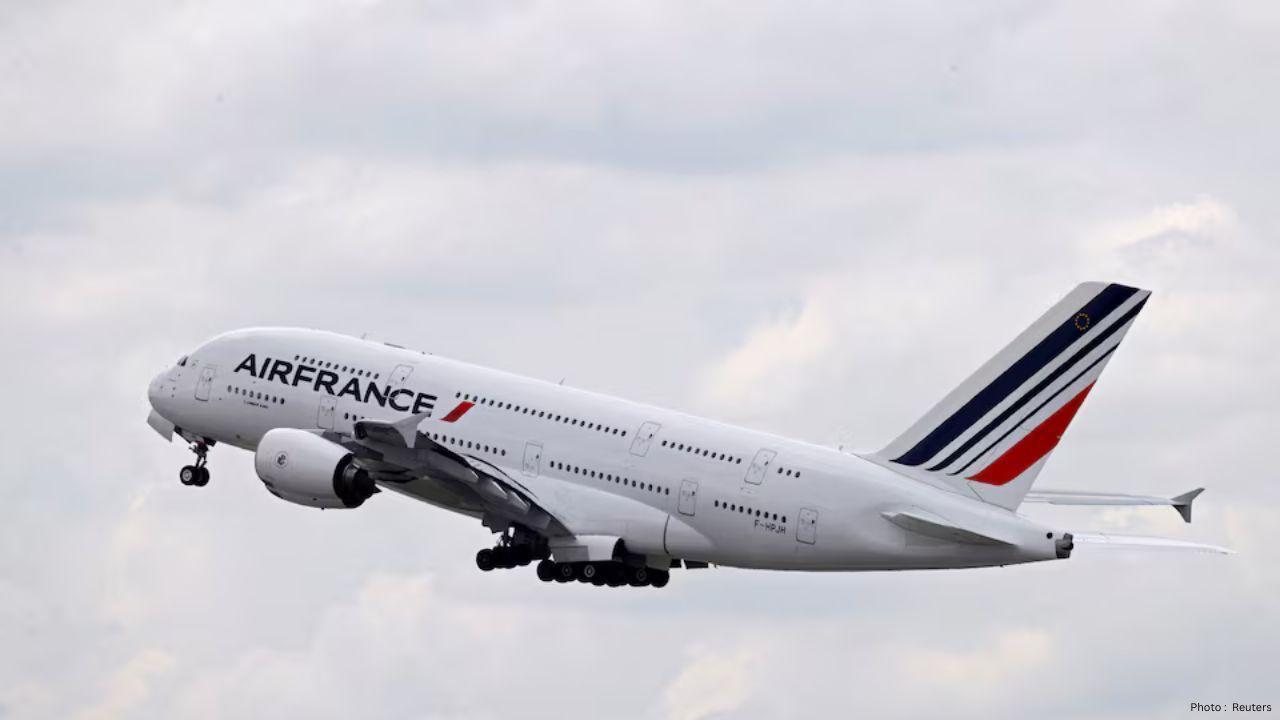
Airbus has been ordered to inspect a group of A380 aircraft after cracks were found in parts of the wings, raising new concerns about aircraft safety and maintenance standards. The issue came to light after Europe’s aviation regulator directed urgent checks on a limited number of the superjumbo jets. The order affects 16 aircraft and focuses on wing spars, key structural parts that help support the aircraft during flight. According to the regulator, cracks in these areas could reduce the structural strength of the wing if left unaddressed.
The latest development has placed the Airbus A380 back in the spotlight, not because of its size or luxury, but because of the serious questions that arise whenever a safety issue is linked to a major passenger aircraft. While the inspections apply only to a subset of planes, the news is important for airlines, passengers, and the wider aviation industry. It is also a reminder that even the world’s largest and most advanced aircraft must be watched closely throughout their service life.
What the Airbus A380 Wing Crack Issue Means
The European Union Aviation Safety Agency, known as EASA, issued an emergency airworthiness directive requiring checks on 16 Airbus A380 jets. The concern centers on cracks found in wing spars, which are important parts of the aircraft’s internal wing structure. These parts help carry loads during takeoff, flight, and landing. If damage appears in such areas, it becomes a matter of immediate attention because it can affect the overall strength of the aircraft.
The order requires five of the affected aircraft to be inspected before their next flight. The remaining 11 must be checked within 25 flight cycles. This timeline shows that regulators consider the matter serious enough to act quickly, even though it is limited to a specific group of aircraft rather than the entire A380 fleet.
Airbus said it is supporting the inspections and is working with the regulator to understand the findings. The company also said it had identified a smaller group of aircraft with similar operating histories and would assist with checks on those planes as well. Depending on what inspectors find, Airbus and EASA will decide whether repairs are needed before the jets return to normal commercial service.
Which Airlines Are Affected by the A380 Inspection Order
According to the Reuters report, 15 of the 16 aircraft named in the directive are operated by Emirates, while one belongs to Qantas. That makes Emirates the airline most affected by the inspection order, which is not surprising given that it is the largest operator of the Airbus A380 in the world. The airline has built much of its long-haul network around the superjumbo, using the aircraft on many high-demand international routes.
This does not mean every A380 operated by Emirates or Qantas is affected. The directive is tied to specific aircraft identified through manufacturer serial numbers and operating history. Still, the fact that the issue touches aircraft used by major global airlines means it will draw close attention from the aviation market, passengers, and regulators.
Why Wing Cracks on a Passenger Jet Are Taken So Seriously
Any problem involving the wing structure of a passenger aircraft is treated with great caution. Wings do much more than simply help a plane stay in the air. They carry fuel, support the engines, and handle enormous pressure during each stage of a flight. Inside the wing, spars act like the main support beams. If cracks form in those components, engineers must determine whether the issue is minor wear, a manufacturing concern, or a sign of deeper stress caused by years of use.
That is why regulators moved quickly. In aviation, safety decisions are often based on prevention rather than waiting for a failure to happen. An inspection order does not mean an aircraft is unsafe to fly in every case. It means experts have found something important enough to require checks before risk can grow. That careful approach is one reason air travel remains one of the safest forms of transport, even when technical issues appear.
A Reminder About Aging Aircraft and Long-Term Maintenance
The Airbus A380 first entered service in 2007 and became famous for its huge size, quiet cabin, and ability to carry large numbers of passengers on long routes. It was seen as a symbol of global air travel at a time when major hubs were handling growing international demand. But the aircraft’s story has also reflected how the aviation business changed over time. Airlines increasingly favored smaller, more fuel-efficient long-haul jets, and Airbus ended A380 production in 2021 after demand slowed.
That history matters today because older aircraft require careful long-term monitoring, especially when they have spent years flying heavy schedules. Large planes go through repeated stress from takeoffs, landings, cabin pressure changes, and weather conditions. Over time, that can lead to wear in key areas. For airlines and manufacturers, this means inspections are not just routine paperwork. They are a central part of keeping aircraft safe as fleets age.
The current A380 issue does not erase the aircraft’s long record in commercial service, but it does underline a basic truth of aviation: no plane, no matter how famous or advanced, is beyond the need for strict technical oversight.
The Impact on Airlines, Passengers, and Flight Schedules
The immediate effect of the inspection order may be limited, but it could still create operational pressure for airlines that rely heavily on the A380. If an aircraft must be checked before its next flight or taken out of service for repairs, airlines may need to adjust schedules, swap aircraft, or move passengers to other services. For a carrier like Emirates, which uses the superjumbo on major international routes, even a small number of grounded planes can create planning challenges.
Passengers may also react with concern when they hear about cracks in the wing structure of a large passenger aircraft. That is understandable. Aviation safety news often sounds alarming because the technical issues involve parts that most people do not see or understand. But this is also where the system is supposed to work. Regulators detect a problem, manufacturers support inspections, and airlines follow the required checks before the aircraft continues service. In other words, the inspection order itself is part of the safety system doing its job.
What This Says About Airbus and Aviation Oversight
For Airbus, the latest development is not only a technical issue but also a reputational test. Aircraft makers are judged not just by how they design planes, but by how they respond when problems appear years later in active service. A quick, transparent, and well-managed response helps protect trust among airlines, regulators, and passengers.
The same is true for aviation oversight bodies such as EASA. Their role is to identify risk early, order inspections when needed, and make sure technical concerns are addressed before they turn into bigger problems. In this case, the regulator acted with urgency while keeping the order focused on a defined group of aircraft. That balanced response is important. It avoids panic while still treating the structural issue with the seriousness it deserves.
#trending #latest #Airbus #A380 #AirbusA380 #A380Inspection #AviationNews #AirlineSafety #AircraftMaintenance #WingCracks #Emirates #Qantas #Aerospace #FlightSafety #AviationIndustry #AirTravel #AircraftInspection







Advances in Aerospace Technology and Commercial Aviation Recovery
Insights into breakthrough aerospace technologies and commercial aviation’s recovery amid 2025 chall

Defense Modernization and Strategic Spending Trends
Explore key trends in global defense modernization and strategic military spending shaping 2025 secu

Tens of Thousands Protest in Serbia on Anniversary of Deadly Roof Collapse
Tens of thousands in Novi Sad mark a year since a deadly station roof collapse that killed 16, prote

Canada PM Carney Apologizes to Trump Over Controversial Reagan Anti-Tariff Ad
Canadian PM Mark Carney apologized to President Trump over an Ontario anti-tariff ad quoting Reagan,

The ad that stirred a hornets nest, and made Canadian PM Carney say sorry to Trump
Canadian PM Mark Carney apologizes to US President Trump after a tariff-related ad causes diplomatic

Bengaluru-Mumbai Superfast Train Approved After 30-Year Wait
Railways approves new superfast train connecting Bengaluru and Mumbai, ending a 30-year demand, easi



