Post by : Saif
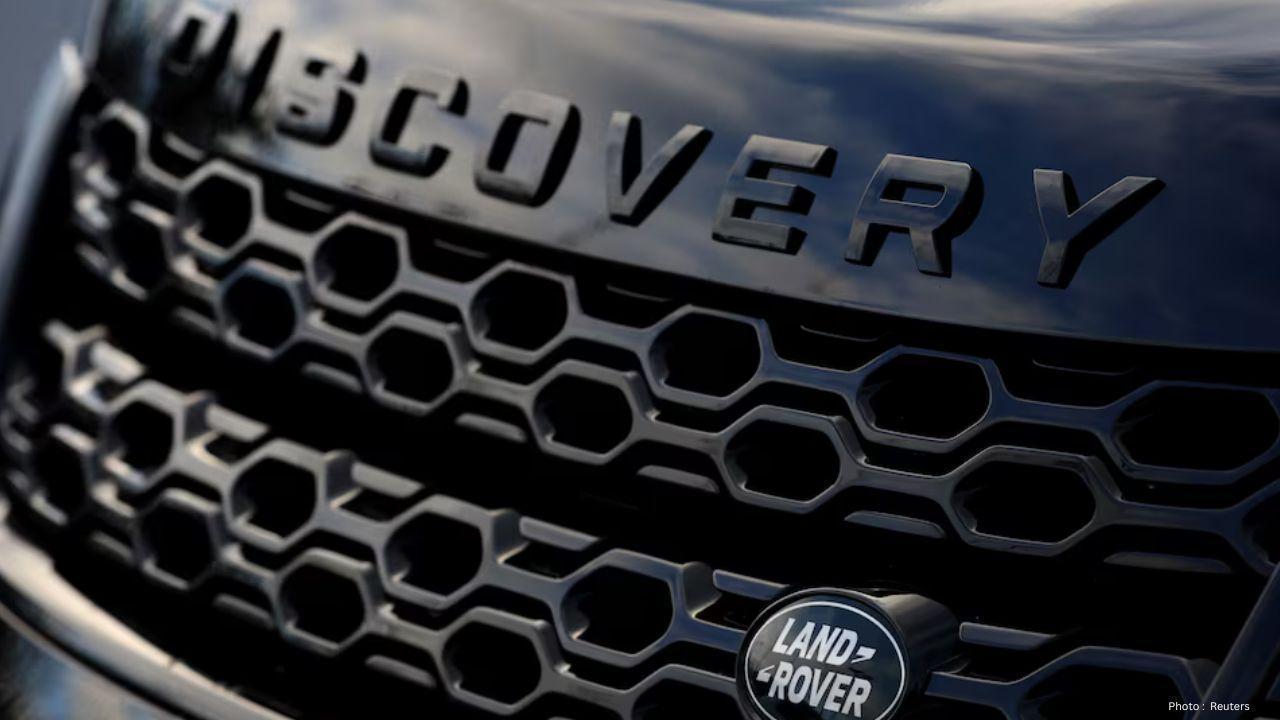
Jaguar Land Rover air bag recall has put vehicle safety back in the spotlight after U.S. regulators announced that more than 250,000 SUVs are being called back over a defect linked to the air bag system. The recall affects 250,857 vehicles in the United States, and officials say the fault could increase the risk of injury during a crash if the safety system does not work as intended. For a premium carmaker that sells luxury sport utility vehicles on the promise of engineering and protection, the scale of the recall is serious enough to raise fresh concern among owners, regulators, and the wider auto industry.
The problem is not only about one company fixing one technical issue. Air bags are among the most important life-saving systems in modern vehicles. They are designed to work in seconds during a collision and reduce the chance of severe injury when used with seat belts. When a manufacturer has to recall such a large number of vehicles over a possible air bag problem, the issue quickly becomes bigger than routine maintenance. It becomes a question of trust, product quality, and how quickly carmakers act when a safety risk is identified. NHTSA says air bags have saved tens of thousands of lives over the past three decades, which is exactly why any defect involving them must be treated seriously.
What the Jaguar Land Rover Recall Is About
According to the U.S. National Highway Traffic Safety Administration, Jaguar Land Rover is recalling 250,857 SUVs in the American market because of an issue in the air bag system that could heighten the risk of injury in a crash. The recall was announced on June 25, and it applies to affected vehicles sold in the United States. At the heart of the matter is a defect that may stop the air bag system from giving the level of protection occupants are supposed to receive during an accident.
At this stage, the most important fact for consumers is simple: this is a safety recall, not a cosmetic fix or minor software update. When a recall involves air bags, the concern is always serious because the system is part of the vehicle’s core crash protection. Air bags are meant to work in combination with seat belts by cushioning the head and upper body during a collision. If they fail to deploy correctly, deploy too slowly, or otherwise do not function as designed, the person inside the vehicle may face a higher risk of injury even in a crash that might otherwise be survivable.
Why an Air Bag Defect Is a Major Safety Issue
Most drivers do not think about their air bags every day, and that is understandable. These systems stay hidden until the exact moment they are needed. But that hidden role is what makes them so important. In a crash, the air bag inflates in a fraction of a second to reduce the force of impact on the driver or passenger. It is not meant to replace a seat belt, but to support it. When both systems work together, the chance of serious injury can be reduced sharply.
That is why any defect involving the air bag system deserves close public attention. If a safety device fails when a crash happens, there is no second chance. Unlike a faulty screen, a broken sensor for entertainment controls, or a cabin trim issue, an air bag problem goes directly to the question of whether a vehicle can protect human life in an emergency. This is also why regulators treat such recalls with urgency. NHTSA has spent years warning consumers about defective air bag systems, including earlier cases involving dangerous inflators that exploded, failed to deploy, or did not provide proper protection in a collision.
The Scale of the Recall Makes the Problem Hard to Ignore
The number attached to this recall matters. More than a quarter of a million vehicles is not a small campaign affecting a niche model line. It is a large recall involving a major luxury SUV manufacturer with a strong global brand. Even if only a small share of those vehicles were ever to face the fault in real-world conditions, the possible consequences are serious enough that regulators and the company have to act before crashes expose drivers and passengers to avoidable harm.
Large recalls also create another problem: repair logistics. When hundreds of thousands of vehicles may need inspection, software correction, parts replacement, or another technical remedy, the process can take time. Owners may have to wait for appointments, dealers may face pressure, and some vehicles may remain on the road until the fix is completed. That gap between recall announcement and actual repair is often where the biggest public safety challenge lies. A recall only protects people once the vehicle is actually fixed.
A Premium Brand Cannot Afford Doubt on Safety
Jaguar Land Rover operates in a segment where buyers pay not just for style or performance, but for confidence in engineering. Luxury SUV customers expect advanced safety features, strong quality control, and careful testing. When a recall of this size emerges over an air bag issue, it affects more than the company’s service department. It touches the brand’s reputation.
That is especially important in today’s auto market, where trust is becoming as valuable as horsepower. Buyers are already dealing with increasingly complex vehicles packed with sensors, software, driver-assistance features, and electronic safety systems. In such a world, every large recall reinforces a simple fear: if modern vehicles are more advanced than ever, why do serious safety problems still keep appearing?
Jaguar Land Rover is far from the only manufacturer to face a recall. The global car industry has seen repeated campaigns over airbags, batteries, software faults, braking systems, and seat belt issues. But each new recall adds to a growing public sense that vehicle technology may be improving faster than reliability and oversight can keep up.
The Recall Also Reflects a Wider Industry Pattern
The Jaguar Land Rover air bag recall does not exist in isolation. The global auto sector has spent years dealing with safety failures tied to air bags and inflators, most famously in the long-running Takata crisis that affected tens of millions of vehicles across many brands. That scandal showed how one faulty component can spread across manufacturers, countries, and model years, leaving drivers exposed for years if recalls are slow or incomplete. NHTSA still maintains a large public recall spotlight for Takata-related vehicles and continues to warn owners to check whether their cars remain unrepaired.
The current Jaguar Land Rover case is different in its specific details, but the broader lesson remains the same: air bag problems are never minor. They have a long history of turning into some of the most serious safety failures in the modern car industry. That is why consumers often react strongly when they hear the words “air bag recall,” even before all the technical details are publicly explained. The memory of earlier cases has changed how the public sees these announcements.
What Owners in the US Should Do Now
For affected vehicle owners, the first step is not panic but verification. Drivers should check whether their SUV is part of the recall by using the vehicle identification number through official recall tools or by contacting an authorised Jaguar Land Rover dealer. In most recall cases, the repair is carried out free of cost to the owner. That is standard practice for safety recalls and one reason regulators encourage drivers to respond quickly rather than ignore the notice.
The second step is speed. Too many recall campaigns lose their value because owners delay repairs for months or even years. Some assume the issue will never affect them. Others postpone the visit because the vehicle still seems to run normally. But that is the wrong way to think about an air bag defect. A safety system can appear fine every day until the moment a crash happens. By then, it is too late to act. This is why recall compliance matters as much as the recall announcement itself.
The Real Test Is How Fast the Fix Reaches Drivers
From a public policy point of view, the recall notice is only the beginning. The real test is what happens next. How quickly will Jaguar Land Rover contact owners? Will parts and dealer appointments be available without long delays? Will the company clearly explain the nature of the defect and the remedy? And will regulators monitor repair completion rates closely enough to ensure the problem is not left hanging over the market for years?
These questions matter because recall systems often look stronger on paper than in practice. Notices may be sent, but many vehicles remain unrepaired because owners move, sell the vehicle, ignore the warning, or never fully understand the risk. That is why communication is crucial. A recall involving a life-saving system must be explained in plain language, with repeated outreach and no room for confusion.
Safety Recalls Are a Test of Accountability, Not Just Engineering
The Jaguar Land Rover recall is a reminder that car safety is not judged only by crash-test scores or glossy advertisements. It is judged by how companies respond when something goes wrong after vehicles have already reached customers. A manufacturer that acts quickly, explains clearly, and repairs efficiently can limit the damage from a defect. A company that moves slowly or communicates poorly can turn a technical problem into a trust crisis.
For regulators, the lesson is equally important. Oversight does not end when a car is approved for sale. It continues through defect investigations, recall orders, public warnings, and follow-up monitoring. The role of agencies like NHTSA is not simply to punish failure after injuries happen. It is to push action early enough to prevent those injuries in the first place.
A Recall of This Size Should Be a Wake-Up Call, Not a Routine Headline
In the end, the Jaguar Land Rover air bag recall is about more than one defective component. It is about the responsibility that comes with selling vehicles built to carry families at highway speeds. A carmaker may call it a recall campaign, but for drivers it is a question of whether their vehicle will protect them on the worst day of their lives.
That is why this should not be treated as just another routine automotive headline. More than 250,000 SUVs are being called back in the United States over a safety issue tied to one of the most important protective systems inside any vehicle. Owners deserve fast answers, free repairs, and clear communication. Regulators must ensure the process does not stall. And the industry as a whole should treat every major air bag defect as a warning that safety promises mean little unless they hold up in the moment that matters most.
#trending #latest #JaguarLandRover #JLRRecall #AirbagRecall #SUVRecall #VehicleSafety #CarRecall #NHTSA #AutoNews #USAutoRecall #JaguarSUV #LandRover #AirbagIssue #RoadSafety #AutomotiveNews #USNews



Advances in Aerospace Technology and Commercial Aviation Recovery
Insights into breakthrough aerospace technologies and commercial aviation’s recovery amid 2025 chall

Defense Modernization and Strategic Spending Trends
Explore key trends in global defense modernization and strategic military spending shaping 2025 secu

Tens of Thousands Protest in Serbia on Anniversary of Deadly Roof Collapse
Tens of thousands in Novi Sad mark a year since a deadly station roof collapse that killed 16, prote

Canada PM Carney Apologizes to Trump Over Controversial Reagan Anti-Tariff Ad
Canadian PM Mark Carney apologized to President Trump over an Ontario anti-tariff ad quoting Reagan,

The ad that stirred a hornets nest, and made Canadian PM Carney say sorry to Trump
Canadian PM Mark Carney apologizes to US President Trump after a tariff-related ad causes diplomatic

Bengaluru-Mumbai Superfast Train Approved After 30-Year Wait
Railways approves new superfast train connecting Bengaluru and Mumbai, ending a 30-year demand, easi



