Post by : Saif
Europe’s car market is showing fresh momentum, but the story behind that growth is changing fast. New vehicle registrations across the European Union, Britain and the European Free Trade Association rose in May as demand for electric and hybrid models remained strong. At the same time, petrol and diesel cars continued to lose ground, while Chinese automakers pushed further into a market once dominated by Europe’s traditional car giants. The result is not just a monthly sales update. It is a clear sign that the continent’s auto industry is entering a more competitive and more disruptive phase.
What makes this shift important is that two big changes are happening together. First, European buyers are moving more quickly toward battery-electric cars, plug-in hybrids and other lower-emission vehicles. Second, that transition is opening the door for newer rivals from China, many of whom are entering the market with cheaper models, fast product cycles and a growing reputation in electric mobility. Europe is still a huge car market, and its established manufacturers still matter. But the latest sales figures show that the balance is starting to change in ways that could reshape the region’s auto industry for years.
Europe’s Car Market Grew in May, and EVs Drove the Recovery
The latest industry figures show that new car registrations across the EU, Britain and EFTA rose 3.6% in May compared with a year earlier. That growth was driven mainly by electrified vehicles, including battery-electric cars, plug-in hybrids and standard hybrid models. Together, these lower-emission categories made up more than two-thirds of total new registrations during the month, showing how central they have become to Europe’s auto market.
Battery-electric vehicles recorded the strongest jump, rising 39.1% year-on-year in May. Plug-in hybrids also moved higher, up 13.2%, while standard hybrids gained 8.2%. By contrast, petrol and diesel cars both saw sharp declines of around 19%, underlining how quickly the traditional fuel market is shrinking in key European countries. These figures suggest that the continent’s auto recovery is no longer being driven by conventional engines. Instead, the market is being powered by buyers who are moving toward electrified transport, whether for cost reasons, environmental concerns, policy support or a mix of all three.
Electric Demand Is No Longer a Side Trend in Europe
For years, electric vehicles were often treated as a future market or a niche product supported mainly by subsidies and early adopters. That is no longer the case. In Europe, EV demand is now a major force shaping the entire car industry. The latest May figures build on earlier strong growth seen in March and April, suggesting that the region’s move toward electric mobility is not a one-month event but part of a larger pattern. Recent market data from 17 European countries also showed battery-electric registrations rising more than 34% in May, with fully electric cars reaching a record market share of 23.6%.
Several factors are supporting that trend. Higher fuel prices have made electric driving look more attractive, especially as Europe continues to deal with energy security concerns and the impact of conflict-linked disruptions in global oil flows. At the same time, governments across the region have continued to back cleaner transport through incentives, emissions targets and charging infrastructure expansion. Buyers also have more choice than before, with a wider range of EV models now available across price segments. That matters because the electric market is no longer being shaped only by premium buyers. It is increasingly being driven by middle-class consumers looking for practical, affordable alternatives to petrol cars.
Chinese Carmakers Are Using Europe’s EV Shift to Expand
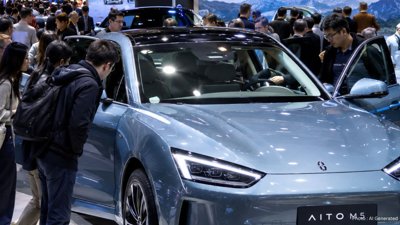
The most striking competitive change inside this growing market is the rise of Chinese brands. Companies such as BYD, Chery and Leapmotor are gaining market share as European consumers become more open to lower-cost electric models. In May, Chinese brands continued to expand their footprint, helped by aggressive pricing, improving technology and stronger consumer awareness. Leapmotor posted one of the most dramatic gains, with registrations jumping more than 465%, while Chery and BYD also continued to build their presence in the region.
This matters because Europe’s move to electric vehicles is creating a rare opening in an industry that has long been hard for outsiders to break into. For decades, European buyers were strongly tied to domestic or long-established global brands. But electric mobility is changing that relationship. Brand loyalty matters less when consumers are comparing battery range, software, charging speed, monthly running costs and price. Chinese automakers have understood that shift and are using it to challenge European rivals with cars that often arrive faster and cost less.
Their rise also reflects a wider structural advantage. Chinese companies built strong supply chains in batteries, electronics and EV production long before many Western rivals moved at scale. That allows them to launch products quickly, adjust pricing more aggressively and target segments where Europe’s traditional manufacturers have been slower to respond. The battle is no longer just about building a car. It is also about software, battery cost, delivery speed and value for money.
Europe’s Legacy Carmakers Are Under Pressure to Adapt Faster
The growth in EV demand should be good news for European manufacturers, and in some ways it is. But the same trend is also exposing their weaknesses. Some major legacy groups posted mixed or weaker performances in May, even as the overall market improved. Renault, Stellantis and Volkswagen all faced pressure as Chinese competitors gained ground and the industry transition accelerated.
The challenge for these companies is not simply to sell more electric cars. It is to do so at prices ordinary buyers can accept, while still protecting profit margins in a business that is already expensive to transform. Building electric vehicles requires huge investment in batteries, software, supply chains, factory conversion and charging partnerships. At the same time, European brands must defend their home market from lower-cost imports and a flood of new models from China. That is a difficult balancing act.
There is also a product problem. For a long time, many Western carmakers focused on larger electric SUVs and premium models because those vehicles offered better margins. But Europe’s market is increasingly demanding smaller, more affordable EVs that fit city streets, household budgets and stricter emissions rules. That is one reason several European groups are now trying to develop compact electric models more aggressively. They know that if they leave the affordable segment open for too long, Chinese rivals will use it to lock in market share and customer loyalty.
Petrol and Diesel Decline Is Speeding Up the Market Reset
Another major message from the latest data is that the decline of petrol and diesel cars is no longer gradual. It is becoming sharp enough to change the structure of the market. Both categories dropped around 19% in May, showing that combustion-engine vehicles are losing relevance faster than many traditional manufacturers would have liked.
This matters because Europe’s big carmakers still make money from combustion-engine vehicles, even while they invest heavily in electrification. If sales of petrol and diesel models fall too quickly before electric margins improve, manufacturers can get squeezed from both sides. They lose the earnings power of the old business while still carrying the high cost of building the new one. That is one reason the transition feels so tense for Europe’s auto sector. Growth in EV demand is positive, but it also makes the pressure on legacy manufacturers more intense.
For consumers, though, the shift may increasingly work in the other direction. As electric models become more common and competition grows, buyers should see more choice, better financing deals and stronger pressure on pricing. That is especially true if Chinese brands keep expanding and if European makers respond by pushing harder into the affordable EV market.
Tesla’s Recovery Adds Another Layer to the Competition
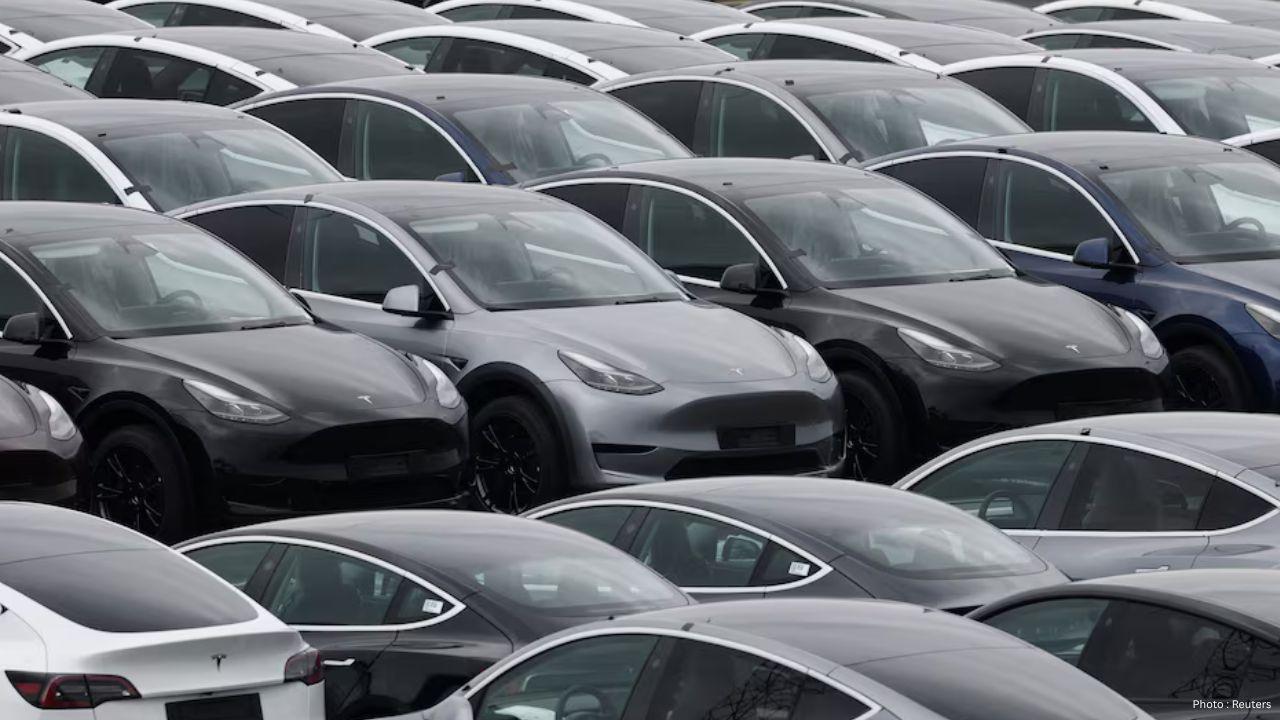
The latest sales picture also showed a rebound for Tesla, whose registrations rose 107.9% in May as the company continued to recover after a difficult period in Europe. While Tesla still faces challenges from both European and Chinese rivals, its improvement adds another layer of pressure to an already crowded EV market.
Tesla’s role in Europe is important because it sits between the premium and mass-market ends of the electric segment. It is no longer the only major EV brand in town, but it still influences pricing, technology expectations and consumer interest across the market. When Tesla cuts prices or regains momentum, competitors feel the effect. When Chinese brands undercut both Tesla and European players, the competitive pressure spreads even wider.
That means Europe’s electric vehicle race is no longer a simple contest between local carmakers and one American EV giant. It is becoming a crowded multi-front battle involving European legacy brands, Tesla, and an increasingly confident group of Chinese manufacturers.
Why Europe’s EV Boom Could Reshape the Auto Industry Beyond Sales
The rise in EV demand is not only changing monthly sales charts. It is also reshaping deeper questions about industrial policy, jobs, energy use and Europe’s economic strategy. The continent has already invested heavily in its EV ecosystem, including battery production, factory conversion and charging networks. The goal is not just to cut emissions. It is also to avoid becoming too dependent on foreign supply chains in a market that will define the future of transport.
That is where the Chinese challenge becomes especially sensitive. If European consumers keep buying more electric cars but a rising share of those vehicles come from Chinese brands, then Europe may hit its climate goals while still weakening its own industrial base. Carmakers, governments and unions are all aware of that risk. It is one reason the European Union has taken a tougher line on Chinese EV imports and continues to debate how to protect domestic manufacturing without making electric cars too expensive for consumers.
There is no easy answer here. Protection may help local producers in the short term, but too much protection can raise prices and slow adoption. Open competition can bring cheaper EVs to buyers, but it can also deepen pressure on European jobs and investment. The market is therefore moving into a more political phase, where industrial strategy and consumer demand are becoming closely linked.
What the May Data Really Tells Us
The May numbers tell a bigger story than a simple rise in car sales. They show that Europe’s auto market is now being driven by electrification, not by a return to old buying habits. They also show that the shift to EVs is changing who wins and who loses. Chinese brands are gaining share because they are well positioned in the electric segment. European manufacturers are being pushed to move faster, lower prices and redesign their product plans. Petrol and diesel vehicles are declining more quickly, reducing the importance of the business model that supported the continent’s car industry for decades.
At the same time, the latest figures suggest that Europe’s EV boom is still tied to a mix of structural and short-term forces. Policy support, charging growth and better model choice are helping the transition become more mainstream. But fuel price shocks and geopolitical pressure have also played a role in pushing some buyers toward electric cars. If petrol prices fall sharply or subsidies weaken, the pace of growth could change. Even so, the overall direction now looks clear: Europe’s car market is moving deeper into the electric era, and competition inside that era is becoming much tougher.
#trending #latest #EuropeCarMarket #EuropeEVSales #ElectricVehicles #EVDemand #ChineseEVs #BYD #Tesla #EuropeanAutoMarket #CarSalesEurope #ElectricCarBoom #HybridCars #AutoIndustry #EuropeEconomy







Advances in Aerospace Technology and Commercial Aviation Recovery
Insights into breakthrough aerospace technologies and commercial aviation’s recovery amid 2025 chall

Defense Modernization and Strategic Spending Trends
Explore key trends in global defense modernization and strategic military spending shaping 2025 secu

Tens of Thousands Protest in Serbia on Anniversary of Deadly Roof Collapse
Tens of thousands in Novi Sad mark a year since a deadly station roof collapse that killed 16, prote

Canada PM Carney Apologizes to Trump Over Controversial Reagan Anti-Tariff Ad
Canadian PM Mark Carney apologized to President Trump over an Ontario anti-tariff ad quoting Reagan,

The ad that stirred a hornets nest, and made Canadian PM Carney say sorry to Trump
Canadian PM Mark Carney apologizes to US President Trump after a tariff-related ad causes diplomatic

Bengaluru-Mumbai Superfast Train Approved After 30-Year Wait
Railways approves new superfast train connecting Bengaluru and Mumbai, ending a 30-year demand, easi



