Post by : Saif
Global business leaders backing electrification has become one of the strongest signals yet that the energy transition is no longer being driven only by climate goals. It is now being pushed by business concerns over cost, energy security and long-term competitiveness. More than 100 major companies have called on governments to move faster on electrification, saying the shift is essential for stable growth, lower risk and stronger industrial resilience in a world shaken by fuel price shocks and geopolitical conflict.
The message from the corporate world is clear: companies no longer see electrification as a distant environmental target. They increasingly view it as a practical economic strategy. Business groups say switching transport, factories and buildings to electricity can protect firms from fossil fuel volatility, reduce exposure to supply disruptions and support more reliable operations. That is why the latest push matters. It shows that the debate has moved beyond climate diplomacy and into the core of business planning and industrial policy.
Companies want governments to move faster on clean power systems
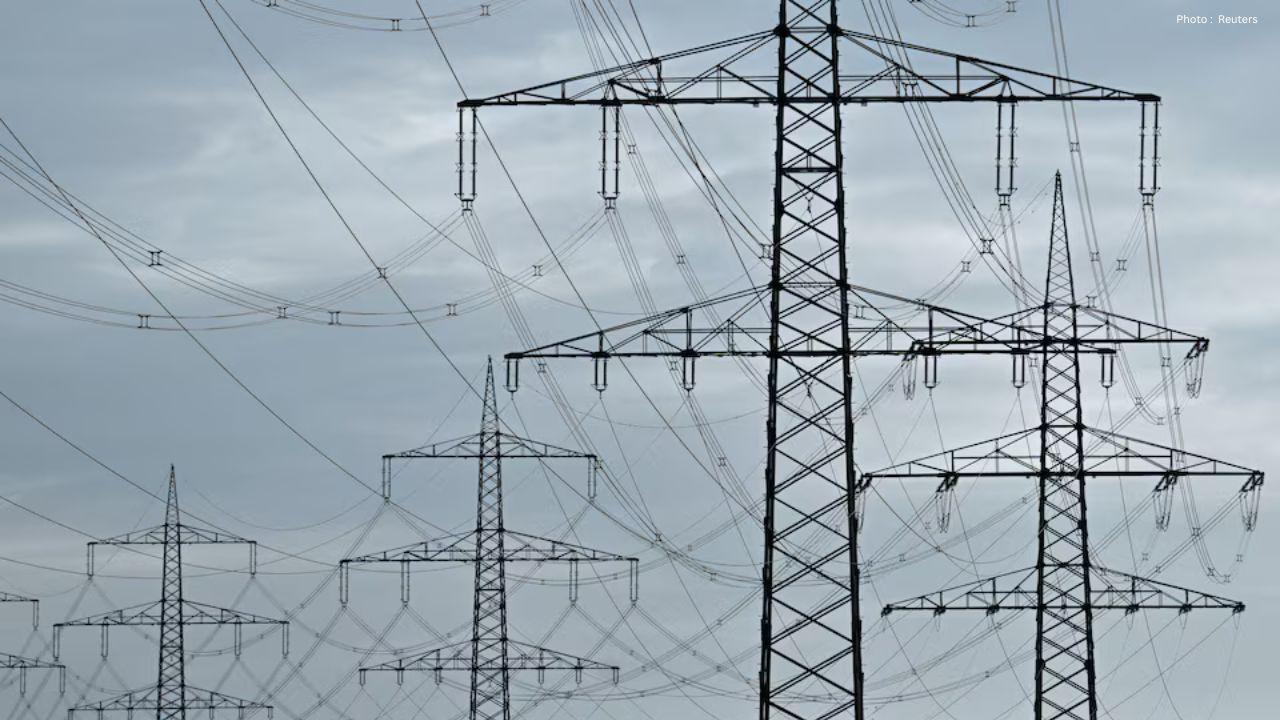
The latest call has come from more than 100 companies with combined annual revenues of about $1.5 trillion. The signatories include large multinational names such as Nestlé, Ikea, Uber and Volvo Cars. Their message to governments is straightforward: if countries want stronger economies, safer energy systems and more competitive industries, they need to make electrification a central part of economic planning. That includes investing in power grids, improving transmission systems and speeding up permits for clean electricity projects.
The business case behind that demand is easy to understand. Electrification works best when clean power is available at scale and when the grid is strong enough to support rising demand from electric vehicles, heat pumps, data centres and industrial equipment. If governments do not modernise electricity systems quickly enough, companies can be left with delays, higher costs and uncertainty. Many executives now believe the private sector is moving faster than public policy, which is why they are asking for clearer rules and stronger infrastructure support.
Energy security has become one of the biggest reasons for the shift
One of the most important findings behind this push is that electrification is no longer being framed only as a climate issue. It is increasingly being described as an energy security strategy. A global survey of nearly 2,000 executives across 18 countries found that 91% believe electrification would improve energy security, while 79% said geopolitical instability has made the shift more urgent for their own businesses. The polling was conducted during a period of high global tension, when fuel supply risks and shipping concerns were already affecting energy markets.
That context matters. In recent years, businesses have had to deal with oil and gas price spikes, war-related disruptions, shipping risks and pressure on supply chains. These shocks have shown how dependent many industries still are on fossil fuel systems that can become expensive and unstable very quickly. Electricity powered by renewables offers a different path. While it still requires major investment, it can reduce exposure to imported fuel swings and give companies more control over long-term operating costs. For many firms, that makes electrification a business survival issue as much as an environmental one.
Most executives now expect their operations to electrify within a decade
The business survey behind the campaign also shows how quickly corporate thinking is changing. Around 90% of business leaders said they expect their operations to be largely electrified by 2035. That is a striking figure because it suggests that the private sector is already planning around a future in which electricity plays a much larger role across transport, manufacturing, heating and logistics. It also shows that many firms no longer see electrification as experimental or optional. They see it as part of mainstream business planning.
This shift is especially important because electrification reaches far beyond passenger vehicles. It includes delivery fleets, industrial processes, office buildings, heating systems and energy management across supply chains. In other words, it is about how companies run their full operations, not just what kind of car sits in the parking lot. Once business leaders start treating electricity as the backbone of future operations, pressure grows on governments, utilities and infrastructure planners to catch up.
Grid investment and policy support remain the biggest obstacles
Even though business support for electrification is strong, companies say the biggest barriers are no longer the technologies themselves. Many of the needed tools already exist and are commercially viable. The real problem is that power systems, policy frameworks and permitting rules are not moving fast enough. Business groups say governments need to expand and modernise grids, remove bottlenecks for renewable energy projects and create predictable policy support so companies can plan investments with confidence.
This is a crucial point because electrification without grid expansion can create its own problems. If millions of vehicles, factories and buildings shift to electricity without enough transmission capacity, storage and clean generation, power systems can come under pressure. That would slow the transition and weaken business confidence. Companies are therefore not asking only for climate promises. They are asking for practical support: faster approvals, stronger infrastructure, and stable rules that reduce uncertainty for long-term investment decisions.
The push also reflects a larger change in how companies see competitiveness
Another important part of the business argument is competitiveness. Many executives now believe that firms which electrify earlier will be better placed to manage costs, meet customer expectations and operate in a cleaner, more efficient economy. The survey found that 88% of business leaders think electrifying their operations is likely to make their companies more competitive. That matters because it suggests electrification is no longer being sold to boardrooms as a sacrifice. It is increasingly being presented as a growth and efficiency strategy.
This change in mindset could have a lasting effect on global industry. When electrification is seen as a source of resilience and profit rather than just compliance, businesses are more likely to move faster. That can accelerate demand for clean power, charging networks, electric equipment, batteries and grid technology. It can also reshape trade and investment patterns as countries compete to attract industries that want reliable, low-cost electricity systems.
Why this matters beyond climate policy
The significance of this corporate push goes beyond climate summits and sustainability language. If large employers, manufacturers and consumer brands all begin demanding better electricity systems, governments may face stronger pressure to treat grid investment as an economic priority rather than a niche environmental issue. That could influence industrial policy, infrastructure budgets, trade decisions and the future of urban planning. In simple terms, electrification may move from being one part of the climate agenda to becoming a central part of economic planning.
It also matters for emerging economies. Countries that build strong power systems, support renewable energy and create stable policy conditions may be better placed to attract investment from global companies trying to electrify operations. Those that move slowly could lose industrial opportunities or face higher energy costs over time. This is why the message from business leaders is important. It is not just about reducing emissions. It is about who will be ready for the next phase of industrial growth.
#trending #latest #Electrification #CleanEnergy #EnergyTransition #GlobalBusiness #RenewableEnergy #ClimateAction #ElectricMobility #NetZero #SustainableBusiness #GreenEconomy #PowerGrid #EnergySecurity








Advances in Aerospace Technology and Commercial Aviation Recovery
Insights into breakthrough aerospace technologies and commercial aviation’s recovery amid 2025 chall

Defense Modernization and Strategic Spending Trends
Explore key trends in global defense modernization and strategic military spending shaping 2025 secu

Tens of Thousands Protest in Serbia on Anniversary of Deadly Roof Collapse
Tens of thousands in Novi Sad mark a year since a deadly station roof collapse that killed 16, prote

Canada PM Carney Apologizes to Trump Over Controversial Reagan Anti-Tariff Ad
Canadian PM Mark Carney apologized to President Trump over an Ontario anti-tariff ad quoting Reagan,

The ad that stirred a hornets nest, and made Canadian PM Carney say sorry to Trump
Canadian PM Mark Carney apologizes to US President Trump after a tariff-related ad causes diplomatic

Bengaluru-Mumbai Superfast Train Approved After 30-Year Wait
Railways approves new superfast train connecting Bengaluru and Mumbai, ending a 30-year demand, easi



