Post by : Saif
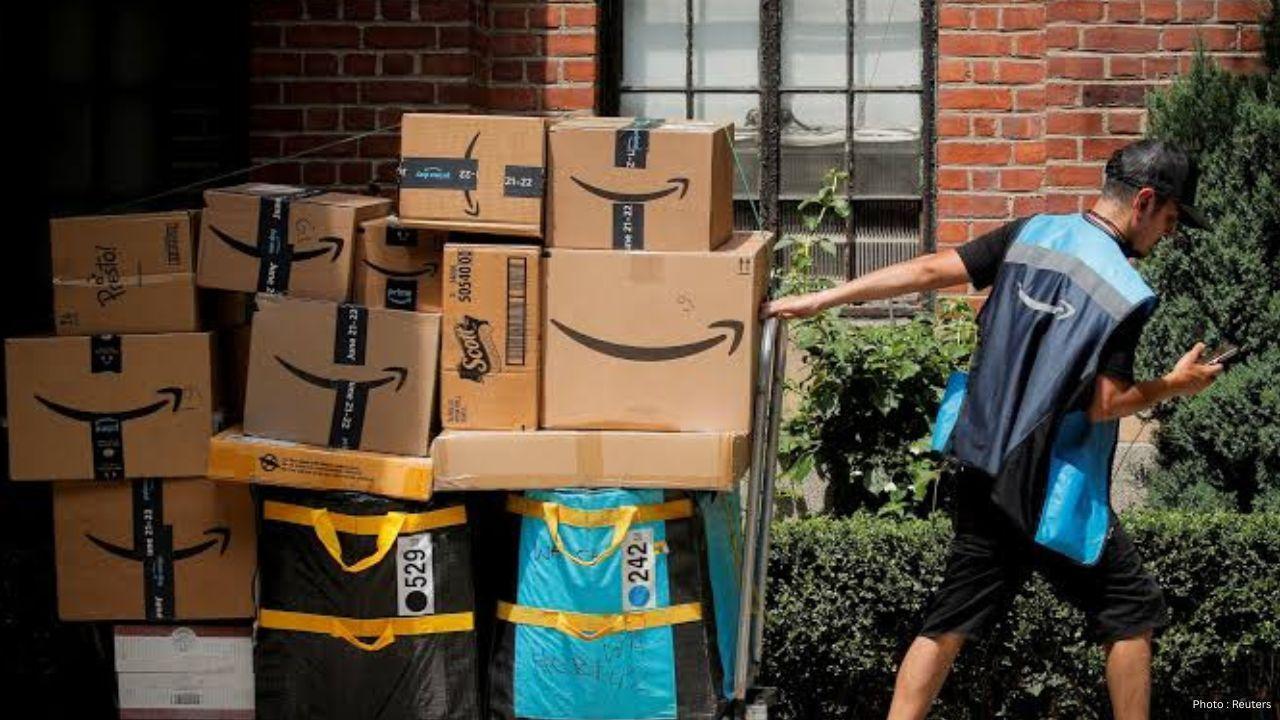
Amazon Prime Day 2026 is no longer just a major online shopping event. This year, it is also turning into an important test of how much financial pressure American households are facing. As inflation remains high and fuel prices continue to rise, many families in the United States are changing the way they shop. Instead of using Prime Day to buy luxury goods or unnecessary items, more people are expected to focus on basics such as groceries, household supplies, school products, and daily-use essentials.
This shift matters far beyond Amazon. Prime Day often gives a clear picture of how middle-income and lower-income shoppers are feeling about money, savings, and the cost of living. When customers wait for a major discount event just to buy toilet paper, lunch boxes, cleaning products, or children’s clothes, it shows that budgets are under pressure. This year’s sale, running from June 23 to June 26, may reveal not only what Americans want to buy, but what they can still afford to buy.
A Shopping Festival With a Very Different Mood
For years, Amazon Prime Day has been known as a big sales event for electronics, fashion, gadgets, and home products. It has often been treated as a summer version of Black Friday, where shoppers look for televisions, laptops, kitchen tools, and other large purchases at lower prices. But in 2026, the mood appears very different. Many customers are entering the event with a far more careful mindset. Instead of treating the sale as a chance to spend freely, they are using it as a way to stretch every dollar.
This year, the company is putting strong attention on deals for groceries, household goods, travel items, and back-to-school products. That change in focus is important because it reflects what shoppers are most likely to buy right now. Fresh food, everyday supplies, and school essentials are becoming a bigger part of Prime members’ baskets as the company expands same-day delivery and strengthens its grocery business. In simple terms, Prime Day is starting to look less like a tech shopping festival and more like a discount event built around practical family needs.
Why American Shoppers Are Pulling Back
The biggest reason behind this shift is economic pressure. Inflation in the United States has remained a serious problem, with household costs climbing in key areas such as food, transport, and basic living expenses. On top of that, gas prices have moved higher because of tensions in the Middle East, adding more strain to monthly budgets. When fuel, food, rent, and daily bills all cost more, families naturally become more selective. They delay major purchases, compare prices more carefully, and wait for sale events before buying even simple household items.
This does not mean spending will completely collapse. In fact, online sales during Prime Day are still expected to be strong. But the more important issue is where that money will go. If most of the spending is focused on basics, school bags, lunch boxes, vacuum cleaners, discounted appliances, and household supplies, it suggests that people are still buying, but with a defensive mindset. They are not shopping because they feel financially comfortable. They are shopping because discounts help them manage rising costs.
Prime Day Is Becoming a Consumer Health Check
That is why Prime Day matters so much to analysts, retailers, and investors. It is no longer only about Amazon’s sales figures. It is also about reading the mood of the American consumer. For years, the US economy has depended heavily on household spending, even during difficult periods. If shoppers continue to spend during Prime Day, it may suggest that consumers still have some strength left. But if buying is heavily centered on low-cost goods, bulk essentials, and delayed purchases that households have been putting off, it tells a much more cautious story.
In that sense, Prime Day is becoming a retail stress test. It shows whether families are still willing to spend freely or whether they now see a discount event as a practical chance to stock up on basic needs. The answer may not come from total sales alone. It may come from the contents of the shopping cart. A strong event built mostly on toilet paper, pantry goods, backpacks, and sale-priced appliances says something very different from a strong event driven by premium electronics and luxury goods.
Amazon’s Strategy Is Changing With the Consumer
Amazon appears to understand this change and is adjusting its strategy around it. The company moved Prime Day from July to late June this year, partly to avoid a crowded calendar that includes the FIFA World Cup and the 250th anniversary of US independence. But the timing also allows Amazon to capture spending tied to summer travel, July Fourth preparation, and early back-to-school shopping. That makes the event more useful for families who are already planning seasonal purchases and want to buy them at lower prices.
The company is also leaning heavily into fast delivery of groceries and essentials. Perishable items such as bananas, milk, and ice cream are becoming a larger part of Prime baskets as Amazon expands same-day delivery in more cities. This is a major sign of how the business is changing. Amazon is not only trying to sell more products during a four-day event. It is trying to become a regular destination for everyday household shopping, directly challenging large retailers like Walmart.
The Battle With Walmart and Target Is Getting Stronger
Prime Day no longer stands alone. Walmart and Target have both built their own sale events around the same period, turning the week into a full retail battle. Walmart launched a seven-day promotion just ahead of Amazon’s event, while Target’s deal days are running at the same time as Prime Day. This means shoppers are not only asking whether they should buy something. They are also asking where they can get it at the lowest price.
That competition may help consumers in the short term because it creates more discounts and stronger price pressure across the retail market. But it also highlights a deeper truth about the current economy: these companies are all fighting over the same cautious shopper. Retailers are not necessarily unlocking a huge new wave of spending. In many cases, they are competing to win a limited amount of money from households that are watching every dollar closely.
Essentials Are Leading, But Big Purchases Are Still Possible
Even with this stronger focus on value, not every product category is weak. Discounts on clothing, electronics, toys, kitchen appliances, and practical home products are still expected to attract buyers. Some households may use Prime Day to finally make a purchase they have delayed for months, such as a refrigerator, a laptop, or a vacuum cleaner. But even that type of spending may reflect caution rather than confidence. Families may be waiting for the biggest sale window before replacing an appliance or buying a school-related device because they simply do not have room in the budget for full-price shopping.
This is an important difference. A household buying a discounted refrigerator or laptop is still spending money, but the reason may be necessity rather than comfort. In a stronger economy, shoppers often buy because they want an upgrade. In a strained economy, they buy because they cannot postpone the purchase any longer and the sale finally makes it possible.
AI, Convenience and Amazon’s Bigger Goal
Another major part of Amazon’s plan this year is its push for AI-powered shopping. The company is promoting Alexa for Shopping as a tool that can help users find deals, track prices, set alerts, and even place orders when a target price is reached. From Amazon’s point of view, this is not just a helpful feature. It is a way to keep shoppers inside its own system and improve buying during a highly competitive sales event.
But the bigger story is not the technology itself. It is what the tool is being used for. Amazon wants to become the easiest place for financially stressed consumers to manage practical shopping. If customers can quickly find the cheapest paper towels, compare grocery discounts, track the price of a backpack, and reorder daily-use items with one assistant, Amazon strengthens its hold on everyday spending. That could matter long after Prime Day ends.
What Prime Day Says About the US Economy
The biggest lesson from this year’s event may be that American consumers are still spending, but they are spending differently. That difference matters. A household that shops mainly for discounted basics is sending a message about economic pressure, even if the total amount spent looks healthy on paper. Prime Day may still produce large numbers, and Amazon may still dominate online shopping during the four-day event. But if the strongest demand comes from essential goods rather than fun purchases, it would suggest that many families are under strain and changing their habits to cope.
For economists, retailers, and policymakers, that is a warning worth noticing. Consumer spending remains one of the biggest drivers of the US economy. If households are increasingly depending on major sale events just to manage routine shopping, it raises concerns about how long spending strength can last. The headline sales number may look solid, but the details inside the shopping basket could tell a much more fragile story.
#trending #latest #AmazonPrimeDay #AmazonPrimeDay2026 #Amazon #USConsumer #ConsumerSpending #USRetail #OnlineShopping #PrimeDayDeals #RetailNews #USEconomy #Inflation #BackToSchoolShopping








Advances in Aerospace Technology and Commercial Aviation Recovery
Insights into breakthrough aerospace technologies and commercial aviation’s recovery amid 2025 chall

Defense Modernization and Strategic Spending Trends
Explore key trends in global defense modernization and strategic military spending shaping 2025 secu

Tens of Thousands Protest in Serbia on Anniversary of Deadly Roof Collapse
Tens of thousands in Novi Sad mark a year since a deadly station roof collapse that killed 16, prote

Canada PM Carney Apologizes to Trump Over Controversial Reagan Anti-Tariff Ad
Canadian PM Mark Carney apologized to President Trump over an Ontario anti-tariff ad quoting Reagan,

The ad that stirred a hornets nest, and made Canadian PM Carney say sorry to Trump
Canadian PM Mark Carney apologizes to US President Trump after a tariff-related ad causes diplomatic

Bengaluru-Mumbai Superfast Train Approved After 30-Year Wait
Railways approves new superfast train connecting Bengaluru and Mumbai, ending a 30-year demand, easi



