Post by : Saif
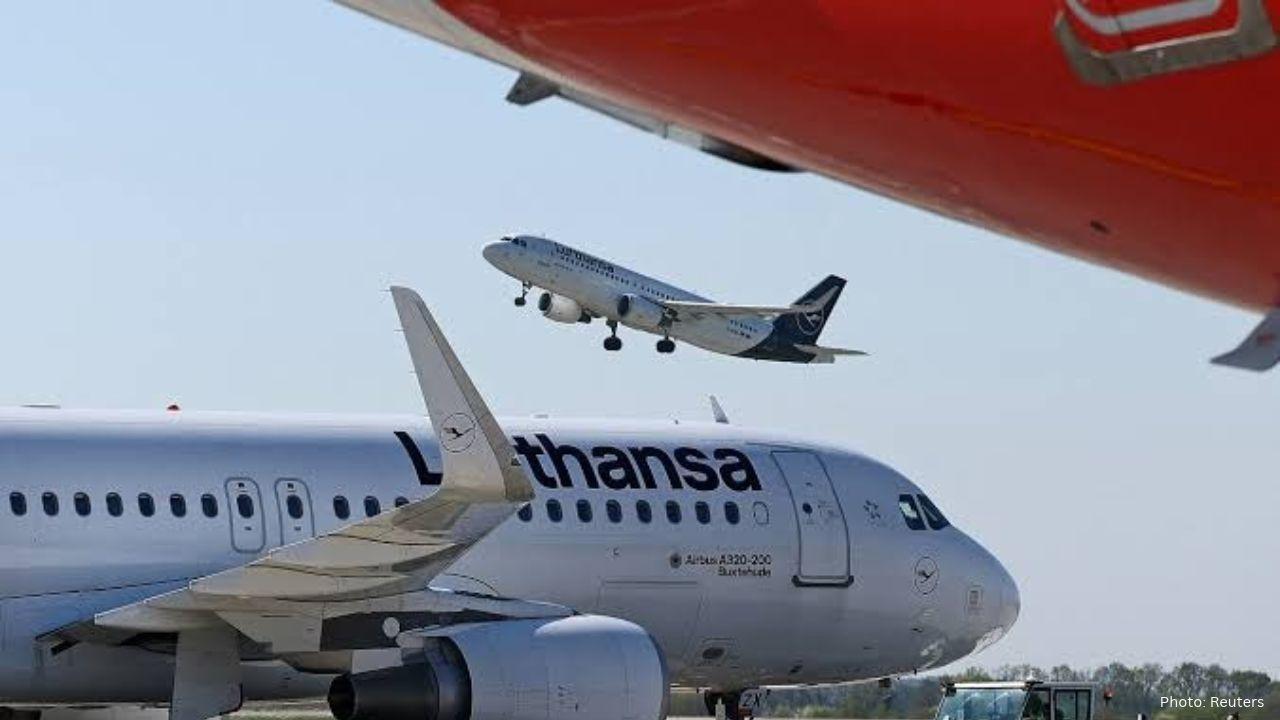
German airline group Lufthansa has reduced its profit forecast for 2026 as rising jet fuel prices increase pressure on its operating costs. The company now expects its annual fuel bill to reach €9.3 billion, reflecting the growing financial impact of the conflict involving Iran on the global aviation industry.
Despite the higher expenses, Lufthansa delivered a stronger-than-expected performance during the third quarter. Strong passenger demand, higher ticket revenues and strict cost management helped the airline offset much of the increase in fuel spending.
The revised outlook highlights the challenges facing European airlines as they deal with expensive aviation fuel, changing travel patterns and uncertainty in the global energy market.
Lufthansa has narrowed its operating profit forecast for the 2026 financial year. The airline now expects operating profit to reach between €1.7 billion and €2 billion, compared with its earlier projection of €1.7 billion to €2.2 billion.
The company also maintained its expectation that capacity growth will remain flat during the year.
Chief Financial Officer Till Streichert said the final financial performance would depend on passenger demand, fuel prices and the results of Lufthansa Cargo during the fourth quarter.
The revised forecast reflects the pressure of higher operating expenses, even as the airline continues to benefit from strong demand for air travel.
Lufthansa reported an operating profit of €1.4 billion for the third quarter, broadly matching market expectations.
The summer travel period is generally one of the strongest business seasons for European airlines because of increased holiday travel and international passenger movement.
Chief Executive Officer Carsten Spohr said the company had managed to offset the increase in fuel expenses through higher revenues and strict cost controls.
The airline's total fuel costs increased significantly compared with the previous year, adding further pressure to its financial performance. However, the quarterly results indicated that Lufthansa's business improvement programme was beginning to deliver positive results.
The conflict involving Iran has contributed to higher energy prices, creating additional difficulties for airlines that depend heavily on aviation fuel.
European carriers have warned that continued increases in jet fuel prices could affect their profitability and force them to increase ticket prices.
Another concern is the expiry of fuel hedging agreements, which allow airlines to secure fuel at previously agreed prices. As these agreements expire, airlines may become more exposed to higher market prices.
Lufthansa plans to continue using fuel hedging to manage financial risks. The company said it had already secured a significant portion of its fuel requirements for the first half of the next year.
Despite rising costs, Lufthansa continues to see strong demand in its premium travel segment. Business-class and other higher-priced services are supporting revenue as passengers continue to pay more for upgraded travel experiences.
The airline also reported strong passenger traffic on routes connecting Europe with Asia and North America.
Another important trend is that travellers are increasingly making bookings closer to their departure dates. Lufthansa said passengers were still accepting higher ticket prices, helping the company maintain revenue despite uncertainty in the aviation market.
Strong demand has provided some protection against rising fuel expenses and helped support its quarterly financial results.
Read more: Air New Zealand Cuts Flights as Fuel Price Surge Disrupts Global Travel
Lufthansa's reduced profit forecast reflects a wider challenge for the global airline industry. Higher fuel prices, geopolitical tensions and changing energy costs are making it difficult for carriers to maintain profit margins.
If jet fuel prices remain elevated, airlines could pass some of the additional expenses on to passengers through higher airfares.
For travellers, this could mean more expensive international flights, particularly on long-distance routes. For airlines, maintaining strong passenger demand while controlling operating costs will remain essential.
Lufthansa's latest results show that strong travel demand can help offset rising expenses, but continued uncertainty in the energy market remains a major concern for the European aviation sector.
#trending #latest #Lufthansa #LufthansaAirlines #JetFuelPrices #AviationIndustry #AirlineNews #IranWar #FuelCosts #EuropeanAirlines #TravelNews #AviationNews #GlobalEconomy #AirTravel








Advances in Aerospace Technology and Commercial Aviation Recovery
Insights into breakthrough aerospace technologies and commercial aviation’s recovery amid 2025 chall

Defense Modernization and Strategic Spending Trends
Explore key trends in global defense modernization and strategic military spending shaping 2025 secu

Tens of Thousands Protest in Serbia on Anniversary of Deadly Roof Collapse
Tens of thousands in Novi Sad mark a year since a deadly station roof collapse that killed 16, prote

Canada PM Carney Apologizes to Trump Over Controversial Reagan Anti-Tariff Ad
Canadian PM Mark Carney apologized to President Trump over an Ontario anti-tariff ad quoting Reagan,

The ad that stirred a hornets nest, and made Canadian PM Carney say sorry to Trump
Canadian PM Mark Carney apologizes to US President Trump after a tariff-related ad causes diplomatic

Bengaluru-Mumbai Superfast Train Approved After 30-Year Wait
Railways approves new superfast train connecting Bengaluru and Mumbai, ending a 30-year demand, easi