Post by : Saif
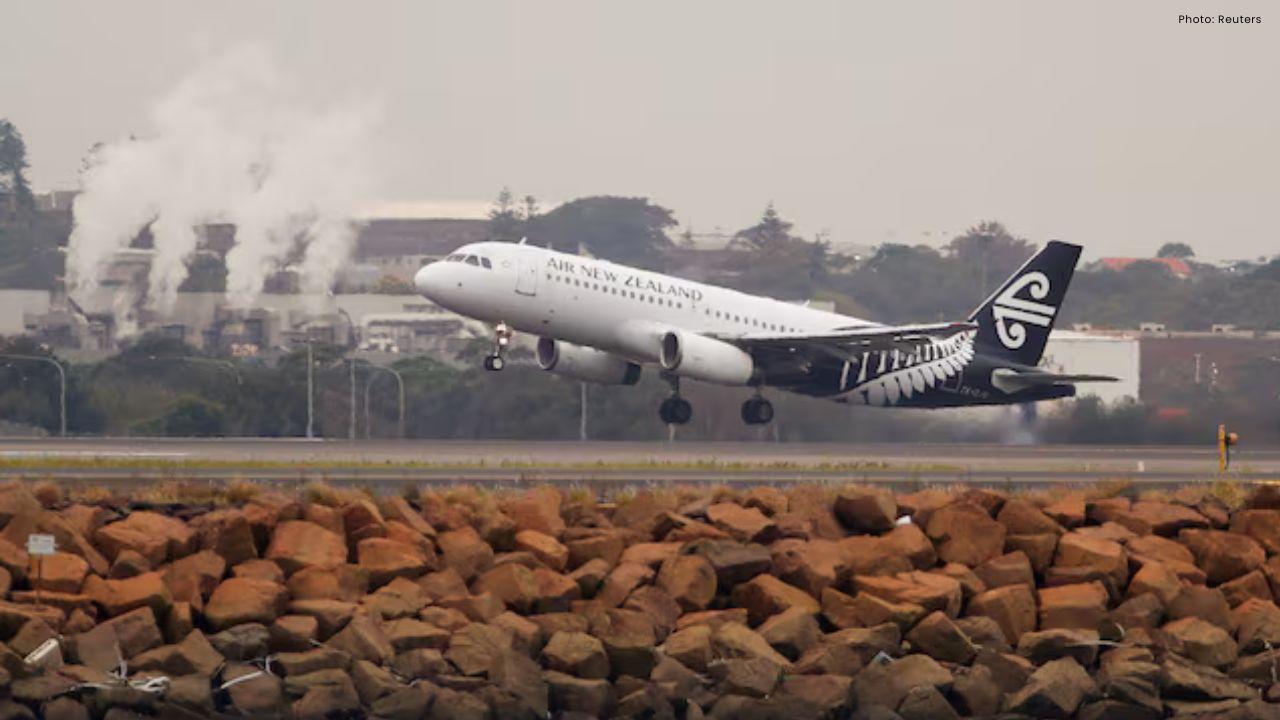
The global aviation industry is facing fresh turbulence as rising fuel prices begin to reshape airline schedules and travel plans. Air New Zealand has announced that it will reduce several flights over the coming weeks as the sudden jump in jet fuel costs puts pressure on airline operations and travel demand.
The airline said it will cut about 5% of its scheduled flights, which equals roughly 1,100 services, through early May. The changes will affect around 44,000 passengers, who will need to be rebooked on alternative flights.
The decision comes at a time when fuel prices have surged sharply due to ongoing geopolitical tensions in the Middle East. Airlines around the world are struggling to manage the rising cost of jet fuel, which is one of the largest expenses in aviation.
Air New Zealand explained that it will not cancel entire routes but will reduce the frequency of flights on several routes. This means passengers may see fewer flight options on certain days, especially on domestic routes within New Zealand. The airline plans to accommodate affected passengers on other flights whenever possible.
Industry experts say the fuel crisis is one of the biggest challenges for airlines since the COVID-19 pandemic. As global tensions disrupt oil supply and transportation routes, the cost of aviation fuel has risen dramatically. Before the crisis, jet fuel prices were usually around $85 to $90 per barrel, but they recently surged to between $150 and $200 per barrel.
Fuel is typically the second-largest cost for airlines after labor, and it usually accounts for about 20% to 25% of operating expenses. When prices increase so rapidly, airlines are often forced to make difficult decisions such as reducing flights, raising ticket prices, or adjusting schedules.
Air New Zealand has already taken steps to deal with the situation. The airline increased ticket prices slightly on several routes. One-way domestic fares have risen by about NZ$10, short-haul international fares by NZ$20, and long-haul fares by around NZ$90.
These changes are part of a broader effort to manage rising costs while continuing to provide service to travelers. Airline officials say they cannot pass all fuel costs directly to passengers, because higher ticket prices could reduce demand for travel.
The situation is not affecting only one airline. Across the global aviation industry, many carriers are raising ticket prices or changing routes to deal with expensive fuel. Airlines in Asia, Europe and Australia have also introduced fare increases or fuel surcharges as oil prices continue to climb.
The crisis is closely linked to geopolitical tensions and conflict in the Middle East, which has disrupted important oil supply routes and raised concerns about global energy availability. Because oil is a key ingredient in jet fuel, any disruption in supply quickly affects airline costs.
Air travel has also been impacted by changing flight paths. Some airlines are avoiding certain airspace areas due to security risks, forcing aircraft to take longer routes. Longer flights require more fuel, which further increases operating costs.
For passengers, the result is already becoming visible. Ticket prices have begun to rise on several international routes, and flight schedules are becoming less predictable. Some travelers may need to adjust their plans if airlines reduce services or change departure times.
Travel agents say demand for flights remains strong, but travelers are becoming more aware of rising costs. Families and business travelers may need to spend more on airfare if fuel prices remain high in the coming months.
Air New Zealand officials say they are closely monitoring global energy markets and working with fuel suppliers and government authorities to understand how the situation might develop. At the moment, there is no major shortage of aviation fuel in New Zealand, but global price fluctuations continue to create uncertainty.
The airline has also suspended its financial forecast for the 2026 fiscal year because it is difficult to predict future fuel costs. In such an unstable market, even small changes in oil prices can significantly affect airline profitability.
Experts warn that the aviation industry could face continued challenges if the geopolitical situation does not improve soon. If oil prices remain high for a long period, airlines may need to reduce flights further or introduce additional fare increases.
Despite these challenges, airlines are trying to maintain as much service as possible. Air travel remains essential for tourism, trade and international connections, especially for countries that rely heavily on aviation to link distant regions.
For now, airlines, passengers and governments are watching the situation closely. The current fuel price shock shows how quickly global events can affect everyday travel. What began as a geopolitical crisis has now spread into energy markets and the aviation industry, reshaping travel plans for thousands of people around the world.
If oil prices stabilize, airlines may be able to restore normal schedules. But if the crisis continues, the aviation industry could face a longer period of disruption, higher fares and tighter flight availability.
#trending #latest #AirNewZealand #AviationNews #FuelPrices #JetFuelCrisis #GlobalTravel #AirlineIndustry #OilPrices #TravelDisruption #AviationIndustry #EnergyCrisis








Advances in Aerospace Technology and Commercial Aviation Recovery
Insights into breakthrough aerospace technologies and commercial aviation’s recovery amid 2025 chall

Defense Modernization and Strategic Spending Trends
Explore key trends in global defense modernization and strategic military spending shaping 2025 secu

Tens of Thousands Protest in Serbia on Anniversary of Deadly Roof Collapse
Tens of thousands in Novi Sad mark a year since a deadly station roof collapse that killed 16, prote

Canada PM Carney Apologizes to Trump Over Controversial Reagan Anti-Tariff Ad
Canadian PM Mark Carney apologized to President Trump over an Ontario anti-tariff ad quoting Reagan,

The ad that stirred a hornets nest, and made Canadian PM Carney say sorry to Trump
Canadian PM Mark Carney apologizes to US President Trump after a tariff-related ad causes diplomatic

Bengaluru-Mumbai Superfast Train Approved After 30-Year Wait
Railways approves new superfast train connecting Bengaluru and Mumbai, ending a 30-year demand, easi



