Post by : Saif
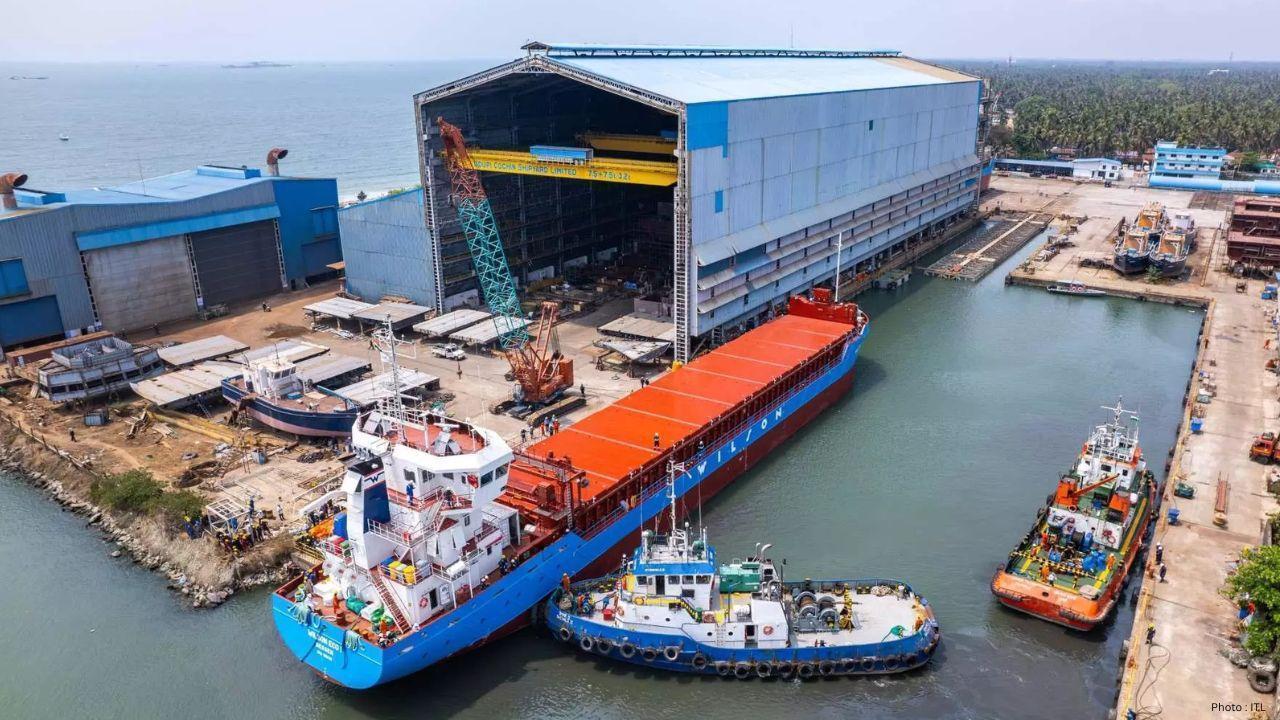
India is moving ahead with plans to strengthen its domestic shipbuilding industry as policymakers and business leaders focus on expanding maritime infrastructure improving cargo transportation and increasing local manufacturing capacity. The initiative reflects a wider effort to reduce dependence on foreign-built vessels while supporting long-term economic growth.
The country handles most of its international trade through sea routes making shipping one of the most important sectors for industrial and commercial activity. Despite rising trade volumes a large number of vessels operating in Indian trade networks are still built and financed outside the country.
Authorities are now focusing on encouraging local ship construction through financial support industrial policies and infrastructure development. Industry experts believe stronger domestic capacity could improve supply chain stability create employment opportunities and support long-term trade expansion.
One of the main challenges facing the sector is access to financing. Building commercial cargo ships requires large investment and long repayment periods which often creates financial pressure for local companies. Indian shipyards have historically faced difficulty competing with international manufacturers that receive stronger institutional backing and export support.
To improve competitiveness policymakers are discussing steps aimed at increasing investment access supporting private participation and modernizing shipyard infrastructure. Industry representatives have also called for better banking support tax incentives and easier approval processes for maritime projects.
The global shipping industry remains central to international trade because most goods move through maritime routes. Countries with strong shipbuilding sectors often benefit from industrial expansion engineering development and increased manufacturing activity linked to ports logistics and cargo operations.
India’s renewed focus on maritime growth also comes during a period of changing global trade patterns. Supply chain disruptions geopolitical tensions and transportation delays have encouraged many economies to strengthen domestic production capacity and reduce external dependence in strategic sectors.
Several Indian shipyards are currently involved in building cargo carriers coastal vessels and defense-related ships. Experts believe additional policy support could help local manufacturers increase production and attract greater investment from both domestic and international partners.
The expansion of maritime financing may also encourage shipping companies to modernize fleets and improve transportation efficiency. Larger and more advanced vessels could help reduce cargo delays strengthen export operations and improve regional connectivity.
Coastal shipping and inland water transport are expected to gain attention as part of the broader maritime strategy. Expanding cargo movement through waterways can lower fuel costs reduce traffic pressure on highways and improve logistics efficiency across industrial corridors.
Environmental sustainability is becoming another important issue within the shipping industry. International regulations are increasingly pushing companies toward cleaner fuel systems lower emissions and energy-efficient vessel technology. Indian shipbuilders may eventually need to invest in greener solutions to remain competitive in the evolving global market.
The government’s broader economic strategy includes improving ports transportation networks and industrial infrastructure linked to exports and manufacturing growth. Strengthening shipbuilding capacity is being viewed as an important step toward building a more self-reliant trade ecosystem.
Economic observers believe the sector could generate large-scale employment across engineering manufacturing logistics and technical services if investment continues increasing. A stronger maritime industry may also support regional trade influence and improve economic resilience in the long term.
India’s growing push to build and finance more ships reflects the country’s ambition to become a stronger force in global shipping and maritime trade. As international commerce continues evolving authorities are focusing on creating a modern shipping ecosystem capable of supporting future economic expansion.
#trending #latest #India #Shipbuilding #MaritimeIndustry #ShippingNews #TradeGrowth #CargoTransport #EconomicDevelopment #PortInfrastructure #GlobalTrade #Logistics #MaritimeFinance #IndustrialGrowth #ExportIndustry #ShippingSector #BusinessNews










Advances in Aerospace Technology and Commercial Aviation Recovery
Insights into breakthrough aerospace technologies and commercial aviation’s recovery amid 2025 chall

Defense Modernization and Strategic Spending Trends
Explore key trends in global defense modernization and strategic military spending shaping 2025 secu

Tens of Thousands Protest in Serbia on Anniversary of Deadly Roof Collapse
Tens of thousands in Novi Sad mark a year since a deadly station roof collapse that killed 16, prote

Canada PM Carney Apologizes to Trump Over Controversial Reagan Anti-Tariff Ad
Canadian PM Mark Carney apologized to President Trump over an Ontario anti-tariff ad quoting Reagan,

The ad that stirred a hornets nest, and made Canadian PM Carney say sorry to Trump
Canadian PM Mark Carney apologizes to US President Trump after a tariff-related ad causes diplomatic

Bengaluru-Mumbai Superfast Train Approved After 30-Year Wait
Railways approves new superfast train connecting Bengaluru and Mumbai, ending a 30-year demand, easi



