Post by : Saif
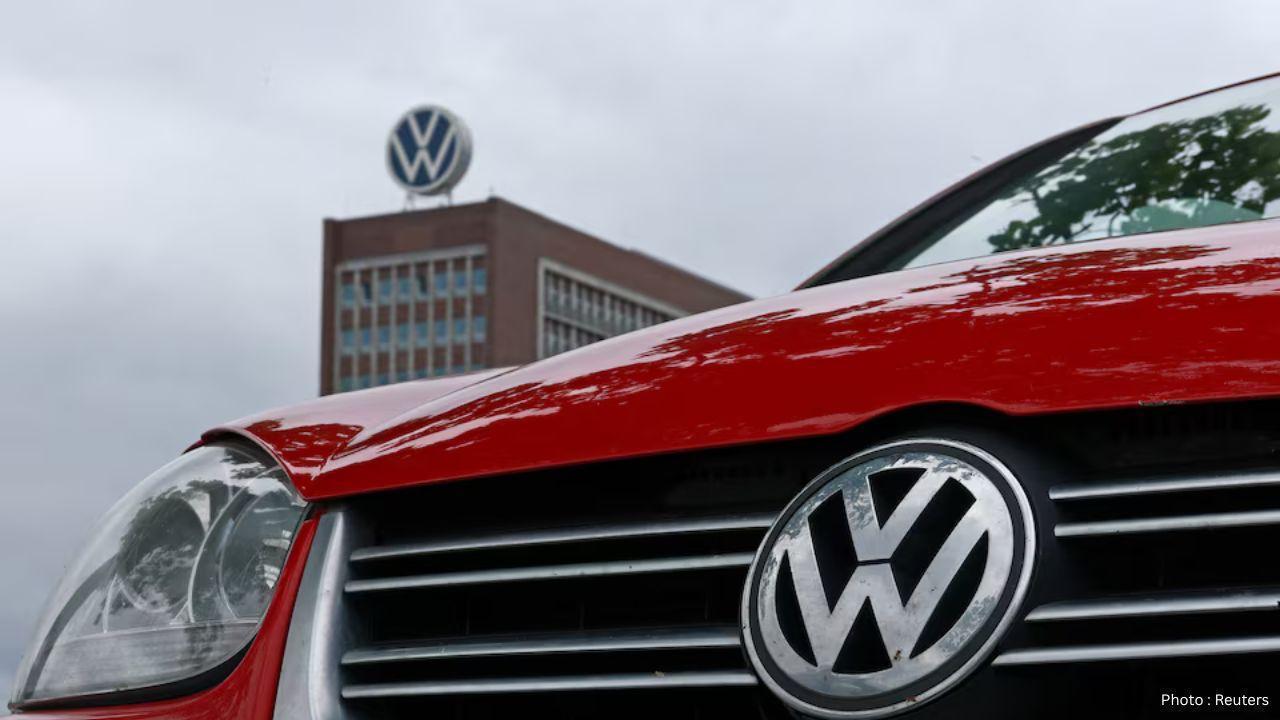
Volkswagen's efforts to overhaul its business model faced fresh criticism after a crucial supervisory board meeting ended without any major decisions on job cuts or factory closures. The outcome highlighted the challenges facing Germany's largest automaker as it struggles with rising costs and growing global competition.
Although reports suggested Chief Executive Officer Oliver Blume would present proposals involving workforce reductions and possible plant closures, the company made no official announcement on either issue after the meeting.
Company Repeats Existing Restructuring Goals
Instead of unveiling new measures, Volkswagen reiterated its previously announced plans to reduce production capacity, simplify its model lineup and streamline its investment portfolio. These objectives had already been made public and do not require supervisory board approval.
The company also did not provide a timeline or detailed roadmap explaining how these restructuring goals would be implemented.
Analysts Say Plan Lacks Clear Direction
Industry analysts expressed disappointment over the lack of concrete decisions.
Jefferies analysts said there was no indication that an agreement had been reached regarding potential factory closures or job cuts, which some reports suggested could affect up to 100,000 positions.
Bernstein analysts described Volkswagen's strategy as strong on ambitions but weak on specific actions, saying the company failed to outline practical steps for achieving its turnaround goals.
Volkswagen Faces Growing Industry Challenges
Volkswagen is under increasing pressure to modernize its business as the global automotive industry undergoes rapid transformation.
The company continues to face high manufacturing costs in Germany, excess production capacity, rising competition from Chinese electric vehicle manufacturers, stricter environmental regulations and U.S. import tariffs. These factors have reduced profitability and increased pressure to cut costs.
Stakeholders Hold Key Role in Future Decisions
Volkswagen's supervisory board includes representatives from the Porsche-Piëch owner families, employee unions and the Lower Saxony state government, making major restructuring decisions dependent on broad agreement among multiple stakeholders.
Following the meeting, Lower Saxony Premier Olaf Lies said everyone involved understood the seriousness of Volkswagen's current situation and stressed the importance of working together to improve the company's long-term competitiveness.
More Details Expected Later
Volkswagen has not announced when it will present a detailed restructuring plan covering possible workforce reductions, factory closures or other cost-saving measures. Investors and employees are expected to closely watch the company's next steps as it seeks to strengthen its position in an increasingly competitive global market.
#trending #latest #Volkswagen #Germany #BusinessNews #AutoIndustry #Automotive #ElectricVehicles #EV #GermanyNews #OliverBlume #Manufacturing #GlobalBusiness #EuropeNews #Economy #BreakingNews #IndustryNews


Advances in Aerospace Technology and Commercial Aviation Recovery
Insights into breakthrough aerospace technologies and commercial aviation’s recovery amid 2025 chall

Defense Modernization and Strategic Spending Trends
Explore key trends in global defense modernization and strategic military spending shaping 2025 secu

Tens of Thousands Protest in Serbia on Anniversary of Deadly Roof Collapse
Tens of thousands in Novi Sad mark a year since a deadly station roof collapse that killed 16, prote

Canada PM Carney Apologizes to Trump Over Controversial Reagan Anti-Tariff Ad
Canadian PM Mark Carney apologized to President Trump over an Ontario anti-tariff ad quoting Reagan,

The ad that stirred a hornets nest, and made Canadian PM Carney say sorry to Trump
Canadian PM Mark Carney apologizes to US President Trump after a tariff-related ad causes diplomatic

Bengaluru-Mumbai Superfast Train Approved After 30-Year Wait
Railways approves new superfast train connecting Bengaluru and Mumbai, ending a 30-year demand, easi



