Post by : Saif
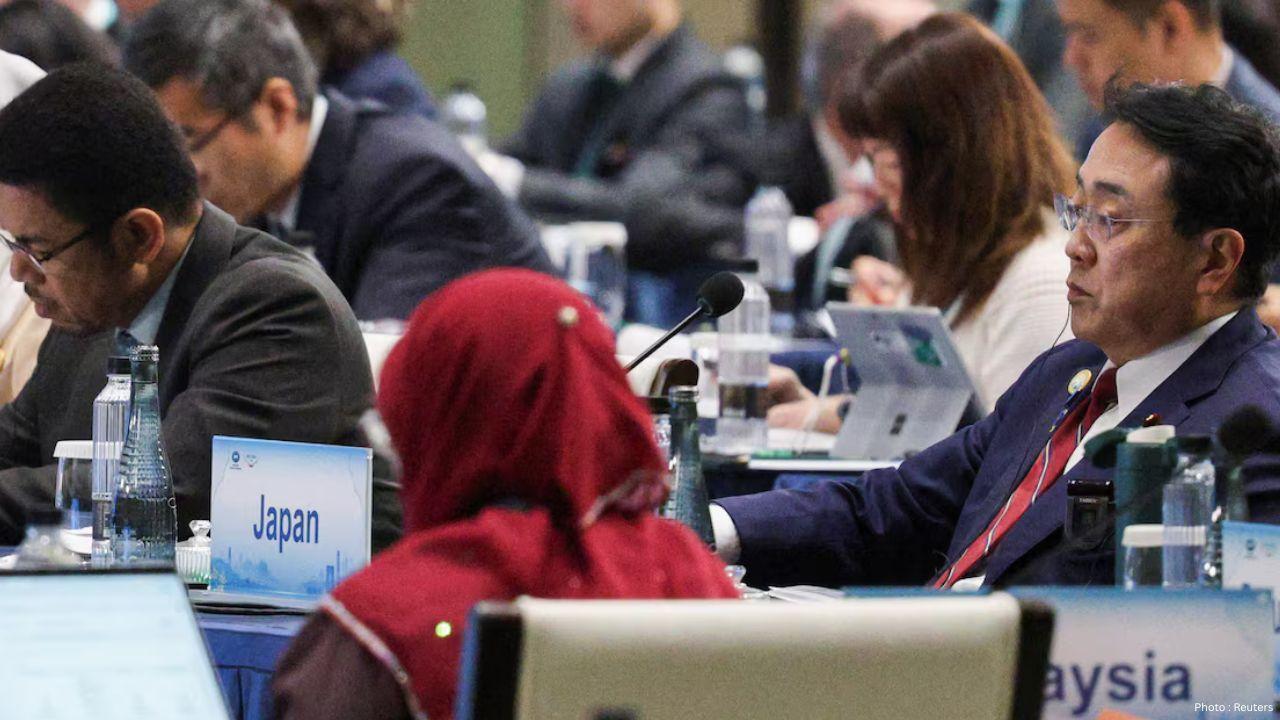
Japan and China held brief trade discussions during a period of continuing diplomatic tension, highlighting efforts by both Asian powers to maintain economic communication despite political disagreements and regional concerns.
Officials from both countries met for talks focused on trade relations, economic cooperation, and business issues that continue affecting industries and markets across the region. The meeting drew international attention because relations between Tokyo and Beijing faced several challenges in recent years.
Although the discussions were described as limited and brief, analysts believe the meeting itself carried important diplomatic value. High-level communication between neighboring countries is often viewed as necessary for preventing misunderstandings and maintaining economic stability.
Japan and China share one of the largest trading relationships in Asia. Both economies depend heavily on exports, manufacturing, technology industries, and international supply chains. Because of this close economic connection, tensions between the two countries can influence regional and global markets.
Political disagreements between Tokyo and Beijing increased over several issues during recent years. Territorial disputes, security concerns, trade restrictions, and geopolitical competition created pressure on diplomatic relations between the two governments.
Despite these disagreements, economic cooperation remains important for both sides. Businesses in Japan and China continue depending on trade partnerships involving electronics, automobiles, machinery, industrial materials, and technology products.
Experts say trade discussions become especially important during periods of diplomatic strain because economic stability often helps prevent broader political escalation. Open communication can reduce uncertainty for investors and industries connected to both countries.
China remains Japan’s largest trading partner, while Japan also plays a major role in regional manufacturing and technology networks linked to Chinese industries. Supply chains connecting the two economies influence production systems across Asia and global markets.
The latest talks reportedly focused on maintaining economic cooperation and addressing trade-related concerns affecting companies operating between the two countries. Officials are believed to have discussed business conditions, market access, and regional economic stability.
Diplomatic relations between Japan and China are often shaped by historical issues and security concerns. Disputes involving territorial claims in the East China Sea regularly create political tension between the neighboring nations.
Regional security developments also continue influencing relations. Growing military activity and strategic competition in the Indo-Pacific region increased international attention on the relationship between Beijing and Tokyo.
At the same time, both countries understand the importance of maintaining stable economic ties. Sudden disruption in trade cooperation could affect industries, employment, exports, and financial markets across the region.
Business leaders closely followed the latest meeting because companies in both nations remain sensitive to political uncertainty. Investors often react quickly whenever diplomatic tension threatens trade stability or supply chain operations.
The global economy already faces challenges linked to inflation, geopolitical conflicts, energy market instability, and changing trade patterns. Stable communication between major Asian economies is therefore considered important for broader economic confidence.
Japan continues strengthening economic and security partnerships with countries such as the United States, India, and Australia. China, meanwhile, remains focused on expanding regional influence through trade, infrastructure projects, and industrial growth.
Analysts believe both Tokyo and Beijing are attempting to balance competition with cooperation. While strategic rivalry continues in some areas, economic dependence encourages dialogue and practical engagement.
Trade experts say diplomatic meetings may not immediately solve major disagreements, but regular communication helps reduce risks connected to misunderstandings and sudden escalation.
Public opinion in both countries also influences political relations. Historical memories and national security concerns often shape domestic discussions involving bilateral ties between Japan and China.
The latest discussions therefore represent more than routine diplomatic contact. They reflect the complicated balance between political rivalry and economic partnership that defines modern relations between the two Asian powers.
Several industries are expected to closely monitor future developments following the meeting. Manufacturing companies, technology firms, exporters, and financial markets all depend heavily on stable regional economic conditions.
International observers believe stronger communication may help improve trust gradually if both sides continue maintaining dialogue on trade and economic matters. However, major political and security disagreements are still likely to remain challenging.
The brief talks between Japan and China highlight an important reality in global politics today. Even countries facing diplomatic tension often continue working together economically because modern international trade systems are deeply interconnected.
As regional challenges continue evolving, the relationship between Tokyo and Beijing will remain one of the most closely watched diplomatic and economic partnerships in Asia.
#trending #latest #Japan #China #TradeTalks #AsiaNews #Diplomacy #EconomicCooperation #Beijing #Tokyo #GlobalTrade #IndoPacific #WorldNews #InternationalRelations #TradeNews #AsianEconomy #Geopolitics #BusinessNews #RegionalStability #SupplyChain #EconomicGrowth #Middleeast








Advances in Aerospace Technology and Commercial Aviation Recovery
Insights into breakthrough aerospace technologies and commercial aviation’s recovery amid 2025 chall

Defense Modernization and Strategic Spending Trends
Explore key trends in global defense modernization and strategic military spending shaping 2025 secu

Tens of Thousands Protest in Serbia on Anniversary of Deadly Roof Collapse
Tens of thousands in Novi Sad mark a year since a deadly station roof collapse that killed 16, prote

Canada PM Carney Apologizes to Trump Over Controversial Reagan Anti-Tariff Ad
Canadian PM Mark Carney apologized to President Trump over an Ontario anti-tariff ad quoting Reagan,

The ad that stirred a hornets nest, and made Canadian PM Carney say sorry to Trump
Canadian PM Mark Carney apologizes to US President Trump after a tariff-related ad causes diplomatic

Bengaluru-Mumbai Superfast Train Approved After 30-Year Wait
Railways approves new superfast train connecting Bengaluru and Mumbai, ending a 30-year demand, easi



