Post by : Avinab Raana
Photo : X / Siege
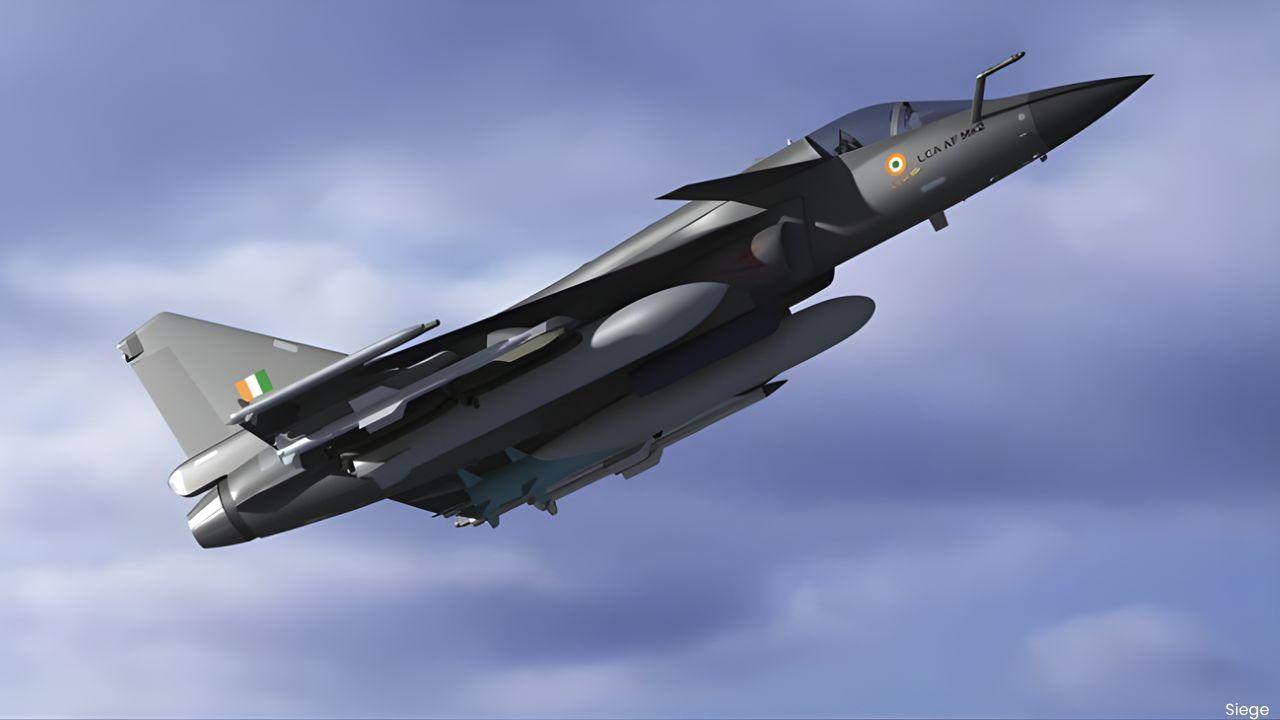
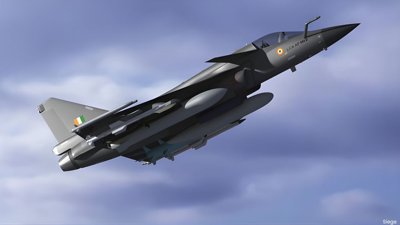
India’s ambitious push to strengthen its indigenous defense capabilities has received a major boost with the supply of GE Aerospace’s F404 engines for the Tejas Light Combat Aircraft program. At a time when geopolitical tensions and defense preparedness are taking center stage, this development is far more than a routine engine delivery, it is a strategic milestone that directly impacts India’s ability to scale fighter production and reduce reliance on foreign platforms. The Tejas program, long seen as a symbol of India’s aerospace independence, now finds itself gaining renewed momentum at a crucial juncture.
At the heart of the Tejas aircraft lies the F404 engine, a proven powerplant known for its reliability, thrust efficiency, and operational flexibility. Designed to meet the demanding requirements of modern fighter jets, the engine provides the Tejas with the performance edge needed for both combat and training missions. Its integration ensures optimal speed, maneuverability, and endurance factors that are critical in modern aerial warfare where agility and responsiveness define mission success. The continued supply of these engines not only supports ongoing production but also reinforces the operational readiness of the Indian Air Force, which is actively expanding its Tejas fleet to replace aging aircraft and modernize its capabilities.
The Tejas program has faced significant delays in recent years, primarily due to supply chain disruptions and delays in engine deliveries. These challenges slowed down production timelines, impacting the Indian Air Force’s squadron expansion plans. However, the latest batch of F404 engine deliveries marks a turning point, enabling Hindustan Aeronautics Limited (HAL) to resume and accelerate aircraft manufacturing at scale.
This revival is critical because it restores confidence in the program’s timelines and demonstrates the resilience of India’s aerospace ecosystem. By overcoming these bottlenecks, the Tejas program is now better positioned to meet both domestic defense requirements and potential export opportunities.
The partnership between India and GE Aerospace reflects a broader trend of deepening defense and technology collaboration between the two nations. While the Tejas aircraft itself is an indigenous platform, the integration of advanced foreign technologies like the F404 engine highlights a hybrid approach—combining domestic innovation with global expertise.
This collaboration is not just transactional; it represents a strategic alignment that could pave the way for future joint ventures, technology transfers, and co-development programs. As India continues to invest heavily in its aerospace sector, such partnerships will play a crucial role in bridging capability gaps and accelerating technological advancement.
The acceleration of Tejas production has significant implications for India’s defense posture, particularly in the context of regional security dynamics. With neighboring countries rapidly modernizing their air forces, the need for a robust and scalable indigenous fighter program becomes even more critical.
By strengthening its fleet with Tejas aircraft powered by reliable F404 engines, India enhances its ability to maintain air superiority, respond to emerging threats, and project power across its strategic areas of interest. This development also sends a strong signal about India’s commitment to self-reliance in defense manufacturing.
Beyond defense, the Tejas program represents a broader vision for India’s aerospace industry. It serves as a platform for skill development, technological innovation, and industrial growth, creating opportunities across the supply chain. The successful integration and scaling of engine supplies further validate India’s capability to manage complex aerospace programs. As production ramps up and new variants of the Tejas are developed, the program is expected to play a pivotal role in shaping the future of India’s aviation sector, both militarily and economically.
The arrival of GE’s F404 engines marks more than just a logistical milestone, it is a catalyst for renewed momentum in one of India’s most important defense programs. With production back on track and strategic partnerships strengthening, the Tejas program is entering a new phase of growth and capability. In a rapidly evolving global defense landscape, this development underscores the importance of resilience, collaboration, and innovation. For India, the path forward is clear: build stronger, move faster, and aim higher in the pursuit of aerospace excellence.
#trending #latest#TejasFighter #GEAerospace #F404Engine #IndiaDefense #AerospaceGrowth




Advances in Aerospace Technology and Commercial Aviation Recovery
Insights into breakthrough aerospace technologies and commercial aviation’s recovery amid 2025 chall

Defense Modernization and Strategic Spending Trends
Explore key trends in global defense modernization and strategic military spending shaping 2025 secu

Tens of Thousands Protest in Serbia on Anniversary of Deadly Roof Collapse
Tens of thousands in Novi Sad mark a year since a deadly station roof collapse that killed 16, prote

Canada PM Carney Apologizes to Trump Over Controversial Reagan Anti-Tariff Ad
Canadian PM Mark Carney apologized to President Trump over an Ontario anti-tariff ad quoting Reagan,

The ad that stirred a hornets nest, and made Canadian PM Carney say sorry to Trump
Canadian PM Mark Carney apologizes to US President Trump after a tariff-related ad causes diplomatic

Bengaluru-Mumbai Superfast Train Approved After 30-Year Wait
Railways approves new superfast train connecting Bengaluru and Mumbai, ending a 30-year demand, easi



