Post by : Avinab Raana
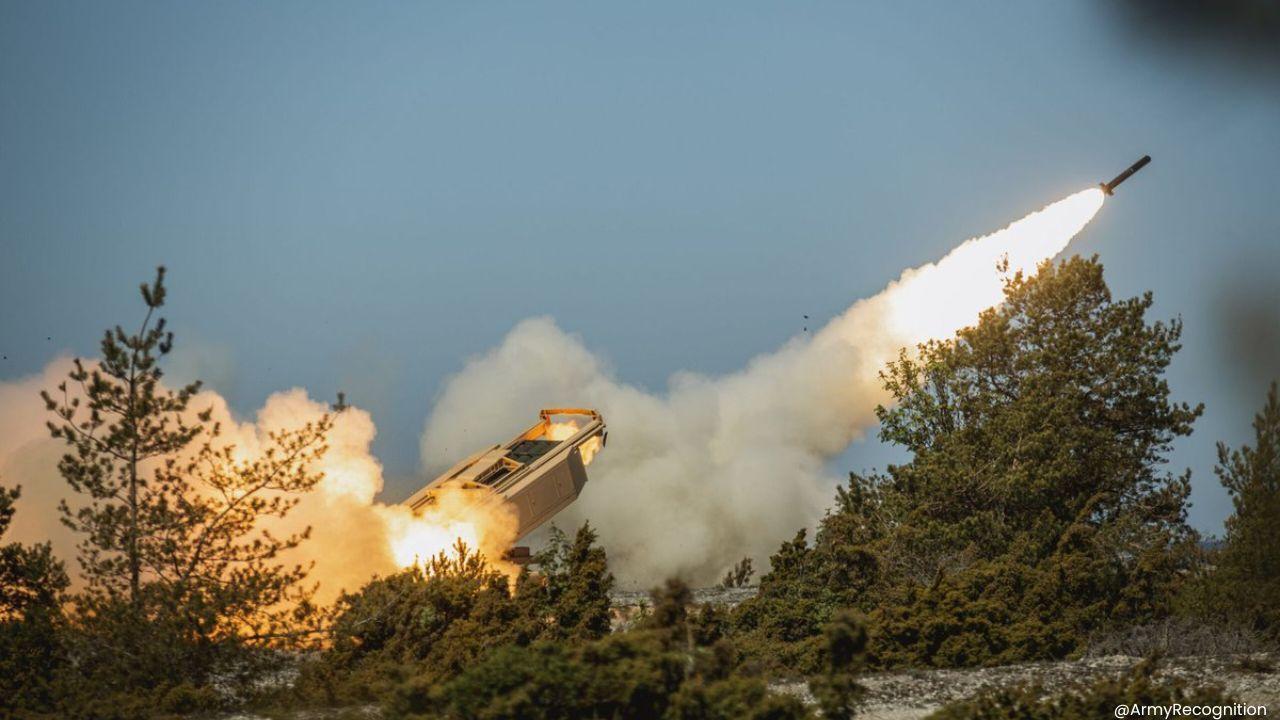
Photo : X / @ArmyRecognition
In a bold and calculated move, Estonia has halted its €500 million plan to procure new CV90 infantry fighting vehicles, choosing instead to redirect those funds toward drones, air defense systems, and advanced surveillance capabilities. The decision marks a significant shift in how nations are rethinking battlefield priorities, especially in the wake of evolving conflicts that have exposed the limitations of traditional heavy armored platforms. At a time when agility, speed, and intelligence are becoming more decisive than sheer firepower, Estonia’s move is being viewed as a forward-looking blueprint for modern defense strategy.
The canceled procurement program was originally intended to modernize Estonia’s armored fleet, with deliveries expected toward the end of the decade. However, defense leadership concluded that investing heavily in traditional combat vehicles no longer aligned with emerging battlefield realities. Military advice, combined with real-time lessons from ongoing conflicts such as the war in Ukraine, highlighted that the role of heavy armored vehicles is gradually diminishing in favor of more flexible and technologically adaptive systems.
Instead of committing billions to platforms that may face declining relevance, Estonia has opted to extend the service life of its existing CV90 fleet by up to a decade, an approach that offers cost savings while maintaining operational capability. This strategic recalibration reflects a growing recognition that modernization does not always mean replacement, it often means smarter allocation of resources.
The reallocation of funds will significantly strengthen Estonia’s investment in unmanned systems, counter-drone technologies, and multi-layered air defense capabilities. These systems are increasingly seen as critical to modern warfare, where threats often come from above in the form of drones, missiles, and precision strikes.
By prioritizing drones and surveillance technologies often described as the “eyes and ears” of modern defense forces Estonia aims to enhance situational awareness and response speed. This shift is not just about defense but also about creating a more dynamic and responsive military structure capable of adapting to rapidly changing threats.
A key factor behind Estonia’s decision is the evolving nature of warfare observed in Ukraine, where drones and long-range precision systems have played a decisive role. The conflict has demonstrated that smaller, more cost-effective technologies can outperform traditional heavy equipment in certain scenarios, particularly when combined with advanced intelligence and targeting systems.
This has forced defense planners across Europe to rethink long-term investment strategies. Estonia’s move reflects a broader trend among NATO allies, who are increasingly shifting focus toward technologies that offer flexibility, scalability, and rapid deployment.
While the decision strengthens Estonia’s operational capabilities, it also has economic implications. The canceled CV90 program involved potential industrial investments and partnerships with major defense manufacturers, which will now not materialize.
However, the redirection of funds could open new opportunities within the defense technology sector, particularly in areas such as drone manufacturing, software integration, and electronic warfare systems. This shift aligns with Estonia’s growing reputation as a digital innovation hub, positioning the country to play a more prominent role in next-generation defense technologies.
Estonia’s decision is not an isolated event, it is a signal to the global defense and transportation ecosystem that priorities are changing. As military strategies evolve, so too will the technologies that support them, influencing everything from aerospace innovation to logistics and mobility systems.
The increasing reliance on drones and air defense systems also has implications for airspace management, aviation safety, and cross-border transport operations. As these technologies become more widespread, industries will need to adapt to a more complex and interconnected operational environment.
Ultimately, Estonia’s move underscores a fundamental truth about modern defense: adaptability is now the most valuable asset. By shifting away from traditional heavy platforms and embracing emerging technologies, the country is positioning itself at the forefront of a new era in military strategy.
As nations worldwide reassess their defense priorities, Estonia’s decision could serve as a blueprint for balancing cost, capability, and innovation. In a rapidly changing global landscape, the future will belong to those who can evolve—and Estonia has made it clear that it intends to lead that transformation.
#trending #latest#EstoniaDefense #DroneWarfare #AirDefense #MilitaryStrategy #CV90









Advances in Aerospace Technology and Commercial Aviation Recovery
Insights into breakthrough aerospace technologies and commercial aviation’s recovery amid 2025 chall

Defense Modernization and Strategic Spending Trends
Explore key trends in global defense modernization and strategic military spending shaping 2025 secu

Tens of Thousands Protest in Serbia on Anniversary of Deadly Roof Collapse
Tens of thousands in Novi Sad mark a year since a deadly station roof collapse that killed 16, prote

Canada PM Carney Apologizes to Trump Over Controversial Reagan Anti-Tariff Ad
Canadian PM Mark Carney apologized to President Trump over an Ontario anti-tariff ad quoting Reagan,

The ad that stirred a hornets nest, and made Canadian PM Carney say sorry to Trump
Canadian PM Mark Carney apologizes to US President Trump after a tariff-related ad causes diplomatic

Bengaluru-Mumbai Superfast Train Approved After 30-Year Wait
Railways approves new superfast train connecting Bengaluru and Mumbai, ending a 30-year demand, easi



