Post by : Avinab Raana
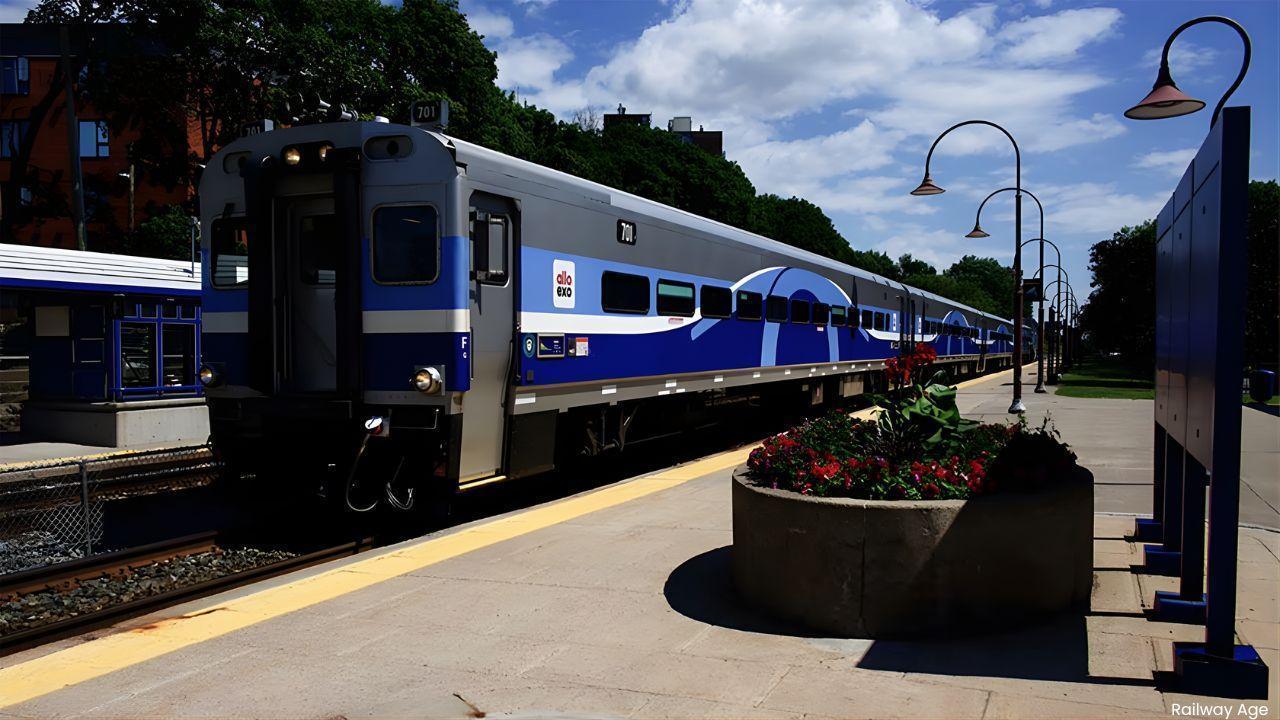
Photo : X / Railway Age
In a decisive move to stabilize its regional rail operations, the Southeastern Pennsylvania Transportation Authority (SEPTA) has initiated the purchase of 24 passenger rail cars marking a crucial intervention in one of the United States’ busiest commuter networks. This development comes at a time when aging infrastructure and operational disruptions have placed immense pressure on transit systems, forcing agencies to rethink how they maintain reliability while preparing for long-term modernization.
The decision reflects more than just a fleet expansion, it is a strategic response to an urgent operational challenge. With passenger demand steadily recovering and expectations for reliable service rising, SEPTA is taking immediate action to ensure its network can keep pace without compromising safety or efficiency.
The newly acquired rail cars, sourced from a Canadian transit operator, are coach vehicles originally manufactured by Bombardier in the late 1980s. While not brand-new, these cars represent a practical and cost-effective solution to an immediate capacity crunch. Before entering service, they will undergo targeted modifications, including upgrades to door systems and onboard equipment to align with SEPTA’s operational standards.
This approach highlights a growing trend in the rail industry leveraging existing assets and retrofitting them with modern systems to bridge the gap between aging fleets and future rolling stock investments. It allows transit agencies to act quickly without waiting for lengthy manufacturing cycles.
The urgency behind this purchase is rooted in the challenges faced by SEPTA’s aging Silverliner IV fleet, some of which are over five decades old. Recent inspections and repair requirements forced a significant portion of these trains out of service, leading to widespread delays, reduced capacity, and service disruptions across the network.
Although many of these trains have since returned to operation, the incident exposed a critical vulnerability over-reliance on outdated rolling stock. By adding 24 additional rail cars, SEPTA aims to create a buffer that ensures consistent service even during maintenance cycles or unexpected disruptions.
While this purchase is designed as a short-term fix, its implications extend far beyond immediate relief. SEPTA is actively working toward replacing its aging fleet with modern, next-generation trains, but such transitions require time, funding, and complex procurement processes.
In this context, acquiring pre-owned rail cars becomes a strategic bridge maintaining service continuity while larger modernization plans are developed. It reflects a broader shift in urban transit strategy, where flexibility and adaptability are becoming just as important as long-term infrastructure investments.
The acquisition is backed by substantial state funding aimed at supporting safety upgrades and infrastructure improvements, underscoring the importance of public investment in maintaining transit reliability.
Once delivered, the rail cars will operate alongside SEPTA’s existing locomotive fleet, integrating into the system as part of a hybrid operational model. This ensures that the network can scale capacity based on demand while maintaining efficiency across different service types.
SEPTA’s move is not an isolated case, it reflects a global trend where transit authorities are adopting flexible fleet strategies to manage aging infrastructure and rising passenger demand. Across Europe, North America, and Asia, rail operators are increasingly combining refurbishment, leasing, and secondary market acquisitions to maintain service continuity.
This evolving approach highlights a key reality: modern rail systems must be dynamic, capable of adapting quickly to operational challenges while still progressing toward long-term sustainability and modernization goals.
As cities continue to grow and urban mobility demands intensify, the ability to deliver consistent, reliable rail services is becoming a defining factor in transportation success. SEPTA’s decision to invest in additional rail cars demonstrates a clear commitment to keeping passengers moving—despite the challenges posed by aging infrastructure.
In the larger picture, this move is about more than just trains, it is about restoring confidence in public transit. Because in today’s fast-moving urban environments, reliability is not just an expectation, it is a necessity. And with this strategic upgrade, SEPTA is taking a decisive step toward ensuring that its network remains resilient, responsive, and ready for the future.
#trending #latest,#SEPTA #RailFleet #RegionalRail #UrbanTransit #RailInfrastructure






Advances in Aerospace Technology and Commercial Aviation Recovery
Insights into breakthrough aerospace technologies and commercial aviation’s recovery amid 2025 chall

Defense Modernization and Strategic Spending Trends
Explore key trends in global defense modernization and strategic military spending shaping 2025 secu

Tens of Thousands Protest in Serbia on Anniversary of Deadly Roof Collapse
Tens of thousands in Novi Sad mark a year since a deadly station roof collapse that killed 16, prote

Canada PM Carney Apologizes to Trump Over Controversial Reagan Anti-Tariff Ad
Canadian PM Mark Carney apologized to President Trump over an Ontario anti-tariff ad quoting Reagan,

The ad that stirred a hornets nest, and made Canadian PM Carney say sorry to Trump
Canadian PM Mark Carney apologizes to US President Trump after a tariff-related ad causes diplomatic

Bengaluru-Mumbai Superfast Train Approved After 30-Year Wait
Railways approves new superfast train connecting Bengaluru and Mumbai, ending a 30-year demand, easi



