Post by : Avinab Raana
Photo : X / AeroTime
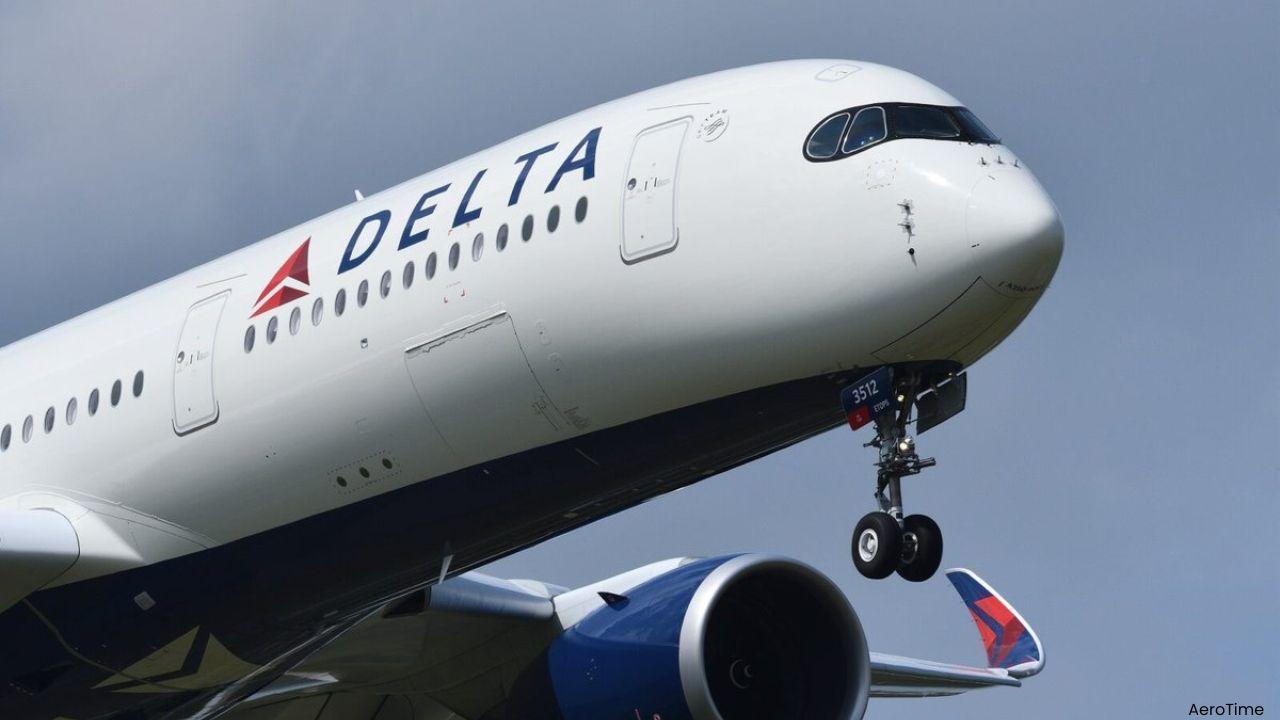
The United States aviation industry may be on the brink of a new consolidation wave, as Transportation Secretary Sean Duffy signaled openness to airline mergers—potentially reshaping one of the world’s most competitive aviation markets. In a statement that has already stirred industry-wide speculation, Duffy acknowledged that there is “room for some mergers,” hinting at a possible shift in regulatory stance after years of strict scrutiny.
This is not just a casual remark, it is a signal. In an industry where regulatory tone often dictates strategic direction, such openness could unlock a new phase of consolidation, especially among smaller and mid-sized carriers struggling with rising operational pressures.
To understand the magnitude of this shift, one must look at the current structure of the US aviation market. Today, roughly 80% of domestic passenger traffic is controlled by four major airlines-American Airlines, Delta Air Lines, United Airlines, and Southwest Airlines.
This dominance is the result of years of consolidation, where mergers helped airlines scale operations, reduce costs, and strengthen market position. However, it also raised concerns about reduced competition and higher fares issues that have historically made regulators cautious about approving new deals. Now, with fresh signals from Washington, the possibility of further consolidation is back on the table.
The renewed interest in airline mergers is not happening in isolation. It is being driven by a combination of economic and geopolitical factors that are putting pressure on airline profitability. Rising fuel costs, supply chain disruptions, and operational uncertainties have created an environment where consolidation is once again being viewed as a survival strategy.
For smaller airlines, merging with larger players offers a way to stabilize operations and remain competitive. For major carriers, it presents an opportunity to expand networks, increase market share, and optimize costs. This dynamic is fueling what industry insiders describe as growing “chatter” around potential deals.
Despite the openness, any potential merger will face intense regulatory scrutiny. Duffy has made it clear that approvals will be granted on a case-by-case basis, with a strong focus on protecting consumer interests. Larger airlines may be required to divest assets—such as routes or airport slots—to prevent excessive market concentration.
This balancing act between enabling growth and preserving competition will be critical. Regulators will need to ensure that consolidation does not lead to reduced service quality, higher ticket prices, or limited consumer choice.
Recent history offers a clear reminder of how complex airline mergers can be. In 2024, the proposed $3.8 billion merger between JetBlue Airways and Spirit Airlines was blocked on antitrust grounds, underscoring the challenges of navigating regulatory frameworks.
This precedent highlights the fine line between strategic consolidation and anti-competitive behavior. Even with a more favorable policy tone, airlines will need to structure deals carefully to meet regulatory expectations.
If mergers do move forward, the impact on competition could be profound. The US aviation market may see fewer but larger players, leading to increased operational efficiency but also raising concerns about reduced competition in certain routes.
At the same time, consolidation could enable airlines to invest more in technology, fleet modernization, and customer experience—potentially improving service quality in the long run. The challenge will be ensuring that these benefits are passed on to passengers rather than absorbed solely as corporate gains.
The ripple effects of this policy shift will extend far beyond the United States. As one of the largest aviation markets in the world, changes in US airline dynamics often influence global trends. Other regions may follow suit, reassessing their own regulatory frameworks and consolidation strategies.
For international carriers and alliances, a more consolidated US market could alter competitive dynamics, route planning, and partnership strategies, reshaping the global aviation landscape.
Duffy’s comments have effectively reopened a conversation that had been dormant for years. While no immediate deals have been announced, the signal is clear: consolidation is no longer off the table.
The coming months could prove decisive for the industry, as airlines weigh strategic options and regulators define the boundaries of acceptable consolidation. In a market shaped by volatility and competition, mergers could become the next major lever of transformation.
Because in today’s aviation industry, growth is no longer just about adding routes—it’s about reshaping the entire market structure. And with this shift, the skies over the United States may be heading toward a new era of consolidation.
#trending #latest,#AirlineMergers #USAirlines #AviationMarket #BigFour #AviationTrends









Advances in Aerospace Technology and Commercial Aviation Recovery
Insights into breakthrough aerospace technologies and commercial aviation’s recovery amid 2025 chall

Defense Modernization and Strategic Spending Trends
Explore key trends in global defense modernization and strategic military spending shaping 2025 secu

Tens of Thousands Protest in Serbia on Anniversary of Deadly Roof Collapse
Tens of thousands in Novi Sad mark a year since a deadly station roof collapse that killed 16, prote

Canada PM Carney Apologizes to Trump Over Controversial Reagan Anti-Tariff Ad
Canadian PM Mark Carney apologized to President Trump over an Ontario anti-tariff ad quoting Reagan,

The ad that stirred a hornets nest, and made Canadian PM Carney say sorry to Trump
Canadian PM Mark Carney apologizes to US President Trump after a tariff-related ad causes diplomatic

Bengaluru-Mumbai Superfast Train Approved After 30-Year Wait
Railways approves new superfast train connecting Bengaluru and Mumbai, ending a 30-year demand, easi



