Post by : Saif
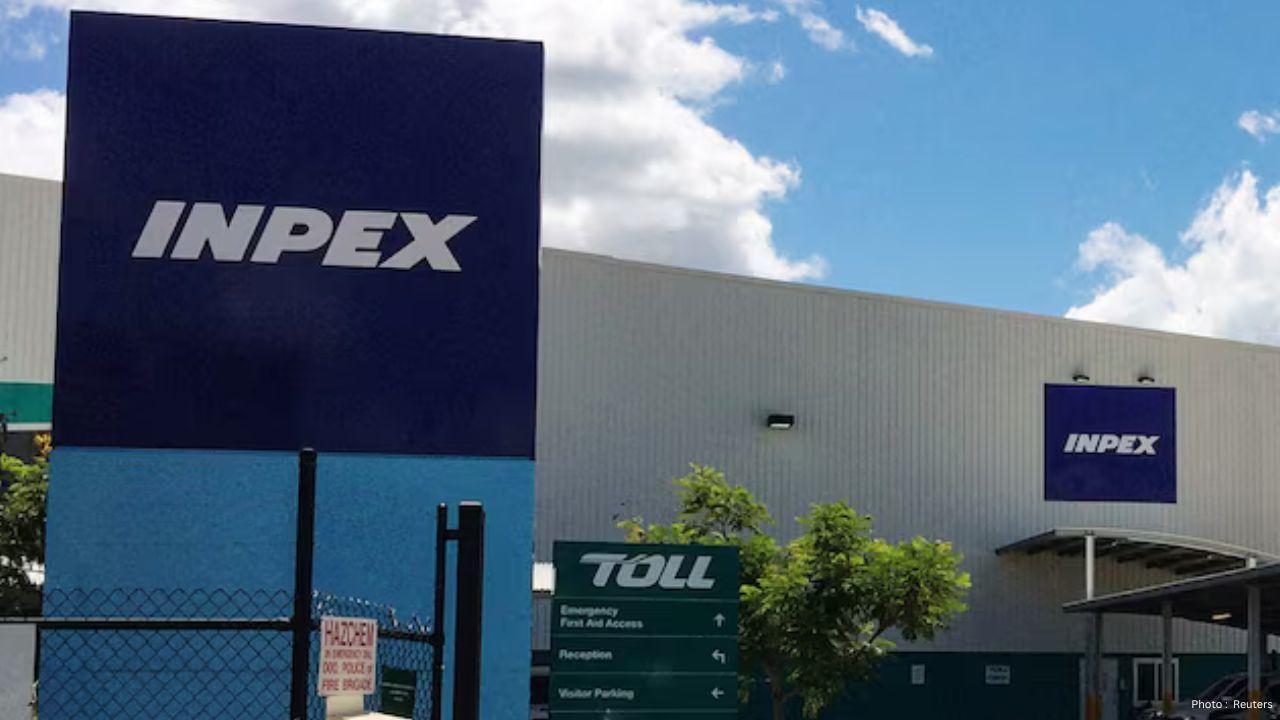
Workers linked to Australia’s INPEX liquefied natural gas project have suspended planned strike action after fresh progress in negotiations between labour unions and company officials.
The decision has reduced immediate concerns about possible disruption to energy production and export activity from one of Australia’s major gas facilities. The development also brought temporary relief to global energy markets, which closely monitor labour disputes involving large LNG projects.
According to reports, union representatives agreed to pause industrial action after discussions with management showed signs of improvement regarding employee demands connected to wages, working conditions, and workplace agreements.
The INPEX-operated Ichthys LNG project is considered one of the largest energy operations in Australia. The facility plays an important role in supplying liquefied natural gas to international markets, including several Asian countries that depend heavily on imported energy resources.
Any disruption at major LNG plants often attracts global attention because supply interruptions can influence international gas prices, shipping schedules, and energy security planning in multiple countries.
The latest talks appear to have reduced fears of immediate production delays. Workers had earlier planned industrial action after disagreements over employment conditions and contract-related concerns. Labour groups argued that employees deserved better terms because of demanding work conditions and the importance of the project to Australia’s energy sector.
Company representatives and union officials have now continued negotiations in an effort to reach a long-term agreement without major operational disruption.
The decision to suspend strike plans reflects how important dialogue remains during labour disputes involving large industrial projects. Energy facilities depend heavily on skilled workers, technical staff, and stable operations to maintain continuous production.
Australia has become one of the world’s leading exporters of liquefied natural gas over the past decade. The country supplies LNG to several nations across Asia, where demand for cleaner fuel alternatives has increased rapidly in recent years.
Because of this position, industrial disputes at Australian export facilities often influence global market confidence. Traders and investors closely watch labour developments because any interruption in supply can create uncertainty in energy pricing.
The temporary easing of tensions may also provide some stability for buyers already dealing with wider global concerns surrounding energy supply chains, shipping routes, and international political tensions.
At the same time, the dispute highlights broader issues connected to labour relations within the energy industry. Workers at large industrial sites often face long shifts, remote working environments, and physically demanding conditions. Unions regularly argue that employees should receive fair wages and stronger workplace protections in return for supporting major production projects.
Energy companies, meanwhile, often attempt to balance rising operating costs, global competition, and production targets while negotiating with employee groups.
The situation also reflects a wider international trend in which workers across different industries are demanding improved pay and conditions following years of inflation and rising living expenses.
For Australia, maintaining stable LNG exports remains economically important. Energy exports contribute significantly to national income, trade performance, and employment opportunities. Large production facilities also support regional economies through transport, maintenance, and service industries connected to the sector.
Asian countries importing Australian LNG are also likely to welcome the temporary suspension of strike plans. Nations such as Japan and South Korea rely heavily on imported natural gas for electricity generation and industrial activity.
The progress in negotiations may therefore reduce short-term pressure on international buyers concerned about possible supply shortages during periods of high energy demand.
However, labour discussions are expected to continue in the coming weeks. Union representatives have indicated that while progress has been made, final agreements on workplace issues have not yet been fully completed.
This means both sides will remain under pressure to maintain constructive dialogue and avoid future escalation that could again threaten production stability.
The situation demonstrates how labour relations, energy security, and global economic interests are increasingly connected. A dispute at one industrial facility can quickly influence international markets, fuel costs, and investor confidence far beyond national borders.
For now, the suspension of planned strike action has provided temporary relief to energy markets and industry observers. But the outcome of ongoing negotiations will continue to shape confidence surrounding one of Australia’s most important LNG export operations.
As talks move forward, both workers and management face the challenge of finding a balanced solution that protects employee interests while ensuring long-term operational stability in a highly competitive global energy industry.
#trending #latest #Australia #INPEX #LNG #EnergyNews #GasMarket #AustralianUnion #IndustrialAction #WorkersRights #GlobalEnergy #LNGPlant #EnergySector #TradeNews #AsiaEnergy #NaturalGas #LabourTalks








Advances in Aerospace Technology and Commercial Aviation Recovery
Insights into breakthrough aerospace technologies and commercial aviation’s recovery amid 2025 chall

Defense Modernization and Strategic Spending Trends
Explore key trends in global defense modernization and strategic military spending shaping 2025 secu

Tens of Thousands Protest in Serbia on Anniversary of Deadly Roof Collapse
Tens of thousands in Novi Sad mark a year since a deadly station roof collapse that killed 16, prote

Canada PM Carney Apologizes to Trump Over Controversial Reagan Anti-Tariff Ad
Canadian PM Mark Carney apologized to President Trump over an Ontario anti-tariff ad quoting Reagan,

The ad that stirred a hornets nest, and made Canadian PM Carney say sorry to Trump
Canadian PM Mark Carney apologizes to US President Trump after a tariff-related ad causes diplomatic

Bengaluru-Mumbai Superfast Train Approved After 30-Year Wait
Railways approves new superfast train connecting Bengaluru and Mumbai, ending a 30-year demand, easi



