Post by : Saif
Oil prices struggled for direction as stalled negotiations between the United States and Iran revived concerns over prolonged tensions in the Middle East, while the lack of major supply disruptions limited further gains.
Brent crude initially climbed around 1% to $89.40 a barrel before easing to about $89.28. US West Texas Intermediate crude was down around 67 cents at $81.74 a barrel.
Both benchmarks had gained more than 5% during the previous week following attacks involving tankers operated by Abu Dhabi National Oil Company in the Strait of Hormuz and an attack on a Saudi Aramco refinery.
Uncertainty over diplomatic efforts between Washington and Tehran is adding pressure to energy markets.
Iranian Foreign Minister Abbas Araqchi said Iran had not yet decided whether to resume negotiations with the United States.
US President Donald Trump, meanwhile, urged Americans to accept somewhat higher gasoline prices while the conflict continues.
Market analysts said oil prices could remain supported by geopolitical risk, but a sustained increase would likely require evidence of renewed attacks causing significant damage to tankers or oil infrastructure.
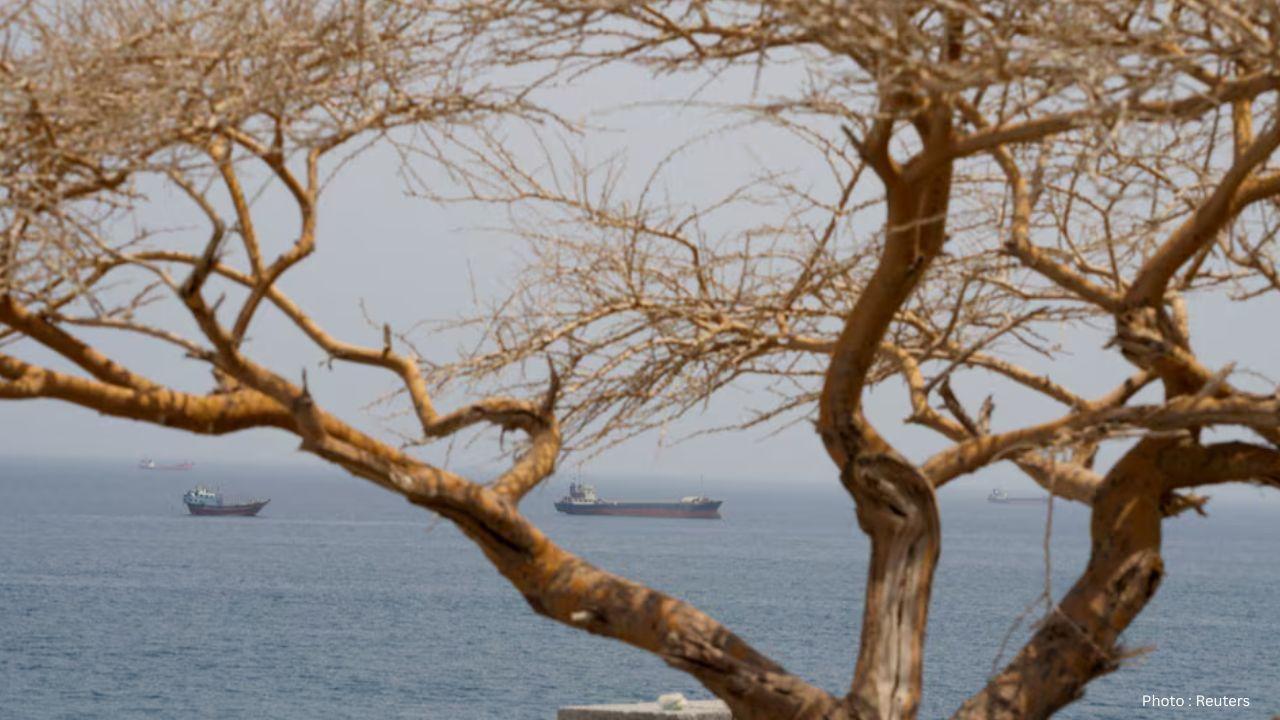
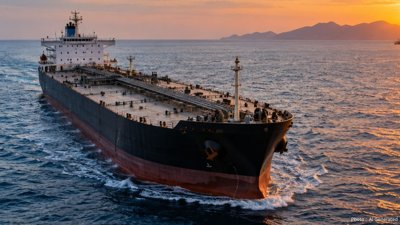
Shipping activity through the Strait of Hormuz has slowed following recent attacks on tankers, according to vessel-tracking data.
Five commodity vessels passed through the strategic waterway on Saturday, while no such vessels were recorded transiting on Sunday. During the previous weekend, 31 commodity vessels were recorded passing through the strait.
The decline has raised concerns about the potential impact on global oil and energy supplies because the Strait of Hormuz is a critical route for shipments from major Middle Eastern producers.
Read more: Trump Warns Iran of ‘Bad Things’ as U.S. Warships Move Closer to Middle East
The United Arab Emirates accused Iran of attacking another vessel operated by ADNOC while it was transiting the Strait of Hormuz.
The alleged incident took place on Friday, following two other reported incidents involving ADNOC vessels in the waterway a day earlier.
The incidents have increased concerns among shipping companies and energy traders about the safety of vessels passing through the strait.
The Strait of Hormuz remains central to the global energy market, making any prolonged disruption potentially significant for crude prices, shipping costs and fuel markets.
For now, the absence of a major supply outage has limited the rise in oil prices. However, continued attacks on tankers or damage to oil infrastructure could quickly increase the market's risk premium.
Traders are closely watching developments between Washington and Tehran, as well as shipping activity through the strategic waterway, for signs of whether the current disruption will deepen or ease.
#trending #latest #OilPrices #CrudeOil #BrentCrude #WTI #Iran #USIran #StraitOfHormuz #Hormuz #MiddleEast #OilMarket #EnergyCrisis #GlobalOil #OilNews #TankerAttack #ADNOC #SaudiAramco #EnergyMarkets #Geopolitics






Advances in Aerospace Technology and Commercial Aviation Recovery
Insights into breakthrough aerospace technologies and commercial aviation’s recovery amid 2025 chall

Defense Modernization and Strategic Spending Trends
Explore key trends in global defense modernization and strategic military spending shaping 2025 secu

Tens of Thousands Protest in Serbia on Anniversary of Deadly Roof Collapse
Tens of thousands in Novi Sad mark a year since a deadly station roof collapse that killed 16, prote

Canada PM Carney Apologizes to Trump Over Controversial Reagan Anti-Tariff Ad
Canadian PM Mark Carney apologized to President Trump over an Ontario anti-tariff ad quoting Reagan,

The ad that stirred a hornets nest, and made Canadian PM Carney say sorry to Trump
Canadian PM Mark Carney apologizes to US President Trump after a tariff-related ad causes diplomatic

Bengaluru-Mumbai Superfast Train Approved After 30-Year Wait
Railways approves new superfast train connecting Bengaluru and Mumbai, ending a 30-year demand, easi



