Post by : Saif
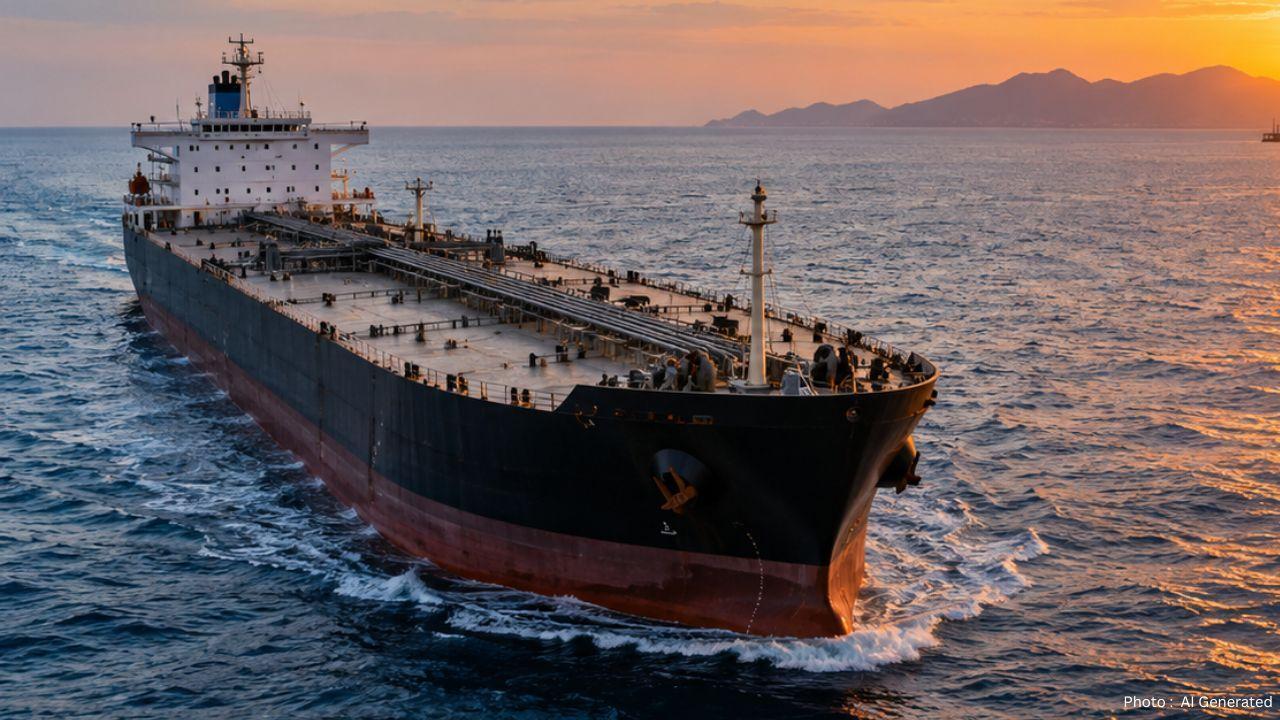
Oil prices fell on Tuesday as stronger crude exports from the Middle East and plans by G7 countries to release emergency fuel reserves reduced fears of a major supply shortage.
Brent crude futures dropped 0.8% to around $99.49 a barrel, while US West Texas Intermediate crude fell 1.1% to about $88.43 a barrel.
Despite the decline, security risks around key shipping routes continued to limit the fall in prices.
Crude shipments from several Gulf producers have remained stronger than expected despite disruptions caused by the conflict.
Data showed that Middle Eastern crude exports exceeded pre-war levels on several days in late September. Producers have used alternative shipping routes and adjusted logistics to keep oil moving despite risks around the Strait of Hormuz.
However, analysts said the recovery does not mean the regional supply chain has returned completely to normal.
Insurance costs, shipping routes and security measures remain more expensive because of continued attacks and threats against tankers.
Gulf oil flows excluding Iran reached more than 81% of pre-war levels in September, according to available data.
Saudi Arabia played an important role in the recovery, with its crude exports increasing despite attacks on energy infrastructure and growing security risks affecting regional shipping.
Iranian oil exports, meanwhile, fell to zero amid a US blockade.
Kuwait has also continued producing oil at about 75% of its pre-war level, while Saudi Arabia reduced the official selling price of its Arab Light crude for Asian buyers in November.
Supply concerns were also reduced after G7 countries agreed to release 100 million barrels of diesel and crude oil from emergency reserves.
The countries also pledged not to impose energy export restrictions following pressure from US President Donald Trump.
The planned release is intended to provide additional fuel supplies to global markets and reduce the impact of possible disruptions from the Middle East.
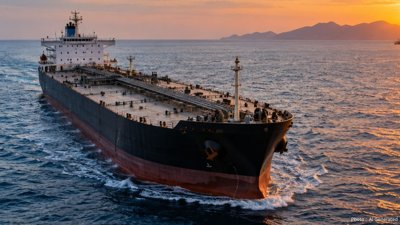
Despite stronger oil exports, the Strait of Hormuz remains a major concern for energy markets.
Recent attacks involving oil tankers have increased security risks around one of the world's most important energy shipping routes. Any serious disruption could affect crude supplies and push prices higher.
Market analysts have therefore warned that continued oil shipments should not be seen as proof that the regional supply situation has fully stabilized.
Read more: Oil Prices Fall as US Crude Stocks Rise, Middle East Disruptions Support Prices
Fighting involving Saudi-backed Yemeni government forces and Iran-backed Houthi forces is also creating additional concerns for regional energy supplies.
Saudi-backed forces advanced toward coastal areas near the Bab el-Mandeb Strait and the city of Mocha. The Houthis later claimed attacks on locations in Saudi Arabia, including an Aramco refinery in Rabigh.
The claims had not been independently verified.
The Bab el-Mandeb is another important shipping route for global energy and trade, meaning continued fighting in the area could create additional pressure on transportation and insurance costs.
Uncertainty surrounding US-Iran negotiations is also influencing the energy market. A prolonged standoff could keep security risks elevated across the region, while any reduction in tensions could further improve oil flows.
For now, stronger Middle East exports and the planned G7 reserve release are helping ease immediate supply fears. However, continued attacks around major shipping routes mean oil markets remain sensitive to any new escalation.
#trending #latest #OilPrices #CrudeOil #MiddleEastOil #G7 #OilMarket #StraitOfHormuz #GlobalEnergy #EnergyMarkets #BrentCrude #WTI #SaudiArabia #Iran #Yemen #GlobalOilSupply #OilNews




Advances in Aerospace Technology and Commercial Aviation Recovery
Insights into breakthrough aerospace technologies and commercial aviation’s recovery amid 2025 chall

Defense Modernization and Strategic Spending Trends
Explore key trends in global defense modernization and strategic military spending shaping 2025 secu

Tens of Thousands Protest in Serbia on Anniversary of Deadly Roof Collapse
Tens of thousands in Novi Sad mark a year since a deadly station roof collapse that killed 16, prote

Canada PM Carney Apologizes to Trump Over Controversial Reagan Anti-Tariff Ad
Canadian PM Mark Carney apologized to President Trump over an Ontario anti-tariff ad quoting Reagan,

The ad that stirred a hornets nest, and made Canadian PM Carney say sorry to Trump
Canadian PM Mark Carney apologizes to US President Trump after a tariff-related ad causes diplomatic

Bengaluru-Mumbai Superfast Train Approved After 30-Year Wait
Railways approves new superfast train connecting Bengaluru and Mumbai, ending a 30-year demand, easi



