Post by : Avinab Raana
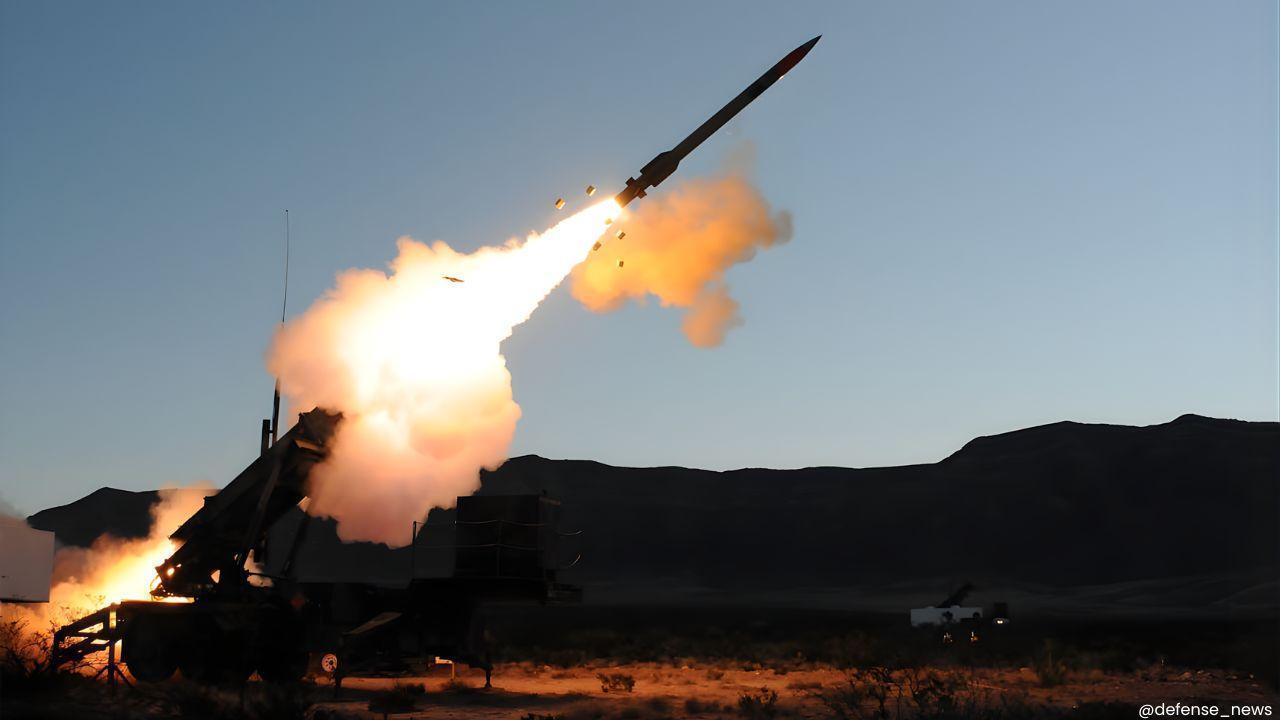
As hypersonic weapons rapidly redefine the future of warfare, the United States is accelerating efforts to close one of its most critical defense gaps and Lockheed Martin has stepped forward with a solution that could reshape naval missile defense strategy. In a significant development, the defense giant is proposing the integration of its combat-proven PAC-3 Missile Segment Enhancement (MSE) interceptor into the US Navy’s Aegis combat system, positioning it as a potential countermeasure against maneuvering hypersonic threats. This move comes at a time when global military powers are investing heavily in high-speed, evasive weapons that challenge traditional interception systems, forcing defense planners to rethink layered protection strategies. For the US Navy, which operates at the frontline of global deterrence, the introduction of PAC-3 into its arsenal could represent a decisive shift toward a more adaptable and resilient missile defense architecture.
Lockheed Martin’s proposal centers on adapting the PAC-3 MSE originally designed as a land-based interceptor for the Patriot air defense system into a sea-based capability compatible with the Navy’s widely deployed Mk 41 vertical launch system. This integration would allow the missile to operate alongside existing naval interceptors, offering commanders greater flexibility in responding to diverse threats. The initiative is backed by a contract valued at around $200 million, underscoring the seriousness of the effort to expand the Navy’s defensive toolkit. The concept is simple yet transformative: instead of relying solely on traditional naval missiles, the Navy could leverage the proven performance of PAC-3 MSE to enhance its ability to intercept fast-moving and highly maneuverable threats. This cross-domain integration highlights a growing trend in defense breaking down silos between land, sea, and air systems to create a unified, multi-layered shield.
At the heart of this development lies a critical question can PAC-3 MSE effectively counter hypersonic threats? While the missile is already known for its “hit-to-kill” capability and success against ballistic and cruise missiles, Lockheed believes it can also play a role in intercepting maneuvering hypersonic targets, particularly in the terminal phase of flight.Currently, the US Navy relies primarily on the SM-6 missile for defending against hypersonic glide vehicles, but PAC-3 could provide an additional layer of defense, improving redundancy and response options. The missile’s agility, advanced guidance system, and combat-proven performance demonstrated in real-world conflicts against high-speed threats make it a strong candidate for expanding the Navy’s interception envelope.
The integration of PAC-3 MSE into the Aegis system aligns with a broader shift toward layered missile defense, where multiple interceptors with different capabilities work together to neutralize threats at various stages of their trajectory. By adding PAC-3 to its arsenal, the Navy could enhance its ability to engage targets across multiple ranges and speeds, creating a more comprehensive defense network. This approach is particularly critical in an era where adversaries are developing weapons designed to evade detection and interception. Hypersonic missiles, with their speed and maneuverability, present a unique challenge that requires not just one solution, but a combination of systems working in coordination.
The push to integrate PAC-3 into naval operations is also being supported by a significant increase in production capacity. Lockheed Martin, in collaboration with the Pentagon, is ramping up manufacturing output from around 600 interceptors annually to as many as 2,000 units per year by the end of the decade.This surge reflects the growing global demand for advanced missile defense systems, driven by escalating geopolitical tensions and the proliferation of high-speed weapons. It also ensures that the US and its allies can maintain sufficient stockpiles to meet operational requirements in potential high-intensity conflicts.
Despite the promise of PAC-3 as a hypersonic defense option, its effectiveness in a naval role will need to be proven through rigorous testing and validation. Lockheed has emphasized that while analysis suggests the missile can fulfill this role, real-world trials will be essential to confirm its capabilities. If successful, the integration could pave the way for widespread adoption across the Navy’s fleet, including its Arleigh Burke-class destroyers equipped with the Aegis system. This would not only enhance the US Navy’s defensive capabilities but also influence allied navies that rely on similar platforms.
As the global race to develop and counter hypersonic weapons intensifies, Lockheed Martin’s PAC-3 proposal represents more than just a technological upgrade, it signals a fundamental shift in how modern militaries approach air and missile defense. By bridging the gap between land-based and naval systems, this initiative could redefine the concept of integrated defense, offering a more agile and scalable solution to one of the most complex challenges in modern warfare. In a world where speed is becoming the ultimate weapon, the ability to respond faster, smarter, and more effectively will determine the balance of power and this latest move suggests that the United States is preparing to meet that challenge head-on.
#trending #latest#LockheedMartin #PAC3MSE #HypersonicDefense #MissileDefense #USNavy









Advances in Aerospace Technology and Commercial Aviation Recovery
Insights into breakthrough aerospace technologies and commercial aviation’s recovery amid 2025 chall

Defense Modernization and Strategic Spending Trends
Explore key trends in global defense modernization and strategic military spending shaping 2025 secu

Tens of Thousands Protest in Serbia on Anniversary of Deadly Roof Collapse
Tens of thousands in Novi Sad mark a year since a deadly station roof collapse that killed 16, prote

Canada PM Carney Apologizes to Trump Over Controversial Reagan Anti-Tariff Ad
Canadian PM Mark Carney apologized to President Trump over an Ontario anti-tariff ad quoting Reagan,

The ad that stirred a hornets nest, and made Canadian PM Carney say sorry to Trump
Canadian PM Mark Carney apologizes to US President Trump after a tariff-related ad causes diplomatic

Bengaluru-Mumbai Superfast Train Approved After 30-Year Wait
Railways approves new superfast train connecting Bengaluru and Mumbai, ending a 30-year demand, easi



