Post by : Avinab Raana
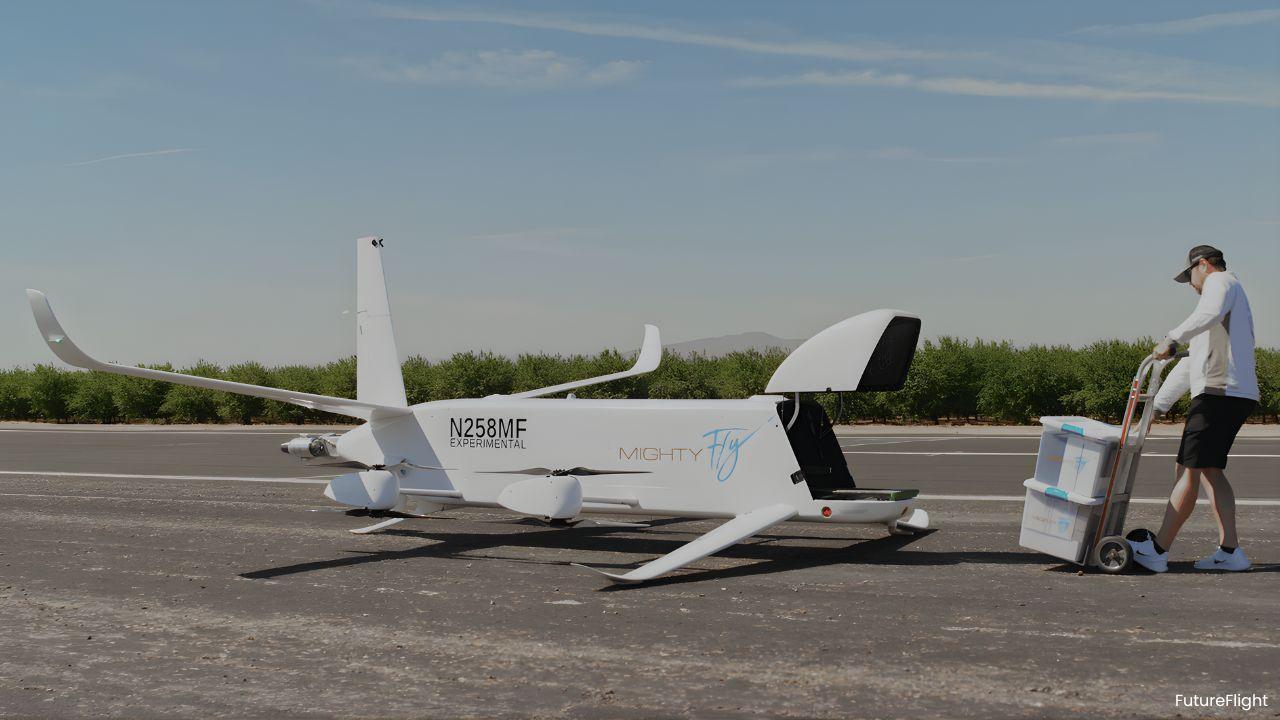
At a time when drones are transforming industries from logistics and agriculture to defense and urban mobility, the sector is now facing a critical and unexpected challenge, a global talent shortage that threatens to slow its explosive growth. What was once seen as a futuristic niche has rapidly evolved into one of the most dynamic segments of aviation, with companies racing to deploy unmanned systems at scale. Yet behind this rapid expansion lies a growing gap between technological ambition and human capability. The drone industry’s struggle to find skilled professionals from pilots and engineers to data analysts and regulatory experts is becoming a defining issue, raising urgent questions about how the sector will sustain its momentum in the years ahead. As demand accelerates, the real bottleneck is no longer innovation, it is people.
The scale of the problem is becoming increasingly evident across global markets. Companies are expanding operations, launching new services, and investing heavily in drone technology, yet they are finding it difficult to recruit the talent needed to support these ambitions. The shortage is not limited to one region or role; it spans the entire value chain, from technical specialists designing advanced UAV systems to certified operators capable of managing complex missions.This imbalance is particularly concerning because the drone industry relies on a highly specialized workforce. Unlike traditional aviation, where established training pipelines exist, the UAV sector is still developing its own ecosystem of education, certification, and professional development. As a result, the supply of qualified talent is struggling to keep pace with the rapidly increasing demand.
While drone pilots and engineers are in high demand, the talent shortage extends far beyond these roles. The industry requires expertise in software development, artificial intelligence, data analytics, cybersecurity, and regulatory compliance, all of which are critical to the successful deployment and operation of unmanned systems. The integration of drones into complex environments, such as urban airspace and critical infrastructure networks, also demands professionals who understand both aviation standards and emerging technologies. This multidisciplinary requirement makes it even more challenging for companies to find suitable candidates, as they are competing not only within the aviation sector but also with industries like tech and defense for the same pool of talent.
The consequences of this talent crunch are already being felt across the industry. Companies are facing delays in project timelines, reduced operational efficiency, and challenges in scaling their services. For startups and smaller players, the shortage can be particularly limiting, as they often lack the resources to compete with larger organizations in attracting top talent. In some cases, the inability to recruit skilled professionals is forcing companies to rethink their growth strategies, prioritizing regions or projects where talent is more readily available. This not only affects individual businesses but also has broader implications for the industry’s overall development, potentially slowing the pace of innovation and adoption.
Recognizing the urgency of the situation, industry stakeholders are increasingly focusing on building a sustainable talent pipeline. Training programs, partnerships with educational institutions, and specialized certification courses are being developed to address the skills gap. Governments and regulatory bodies are also playing a role by supporting initiatives that promote workforce development and standardization. However, these efforts take time to yield results. Developing a skilled workforce capable of meeting the industry’s evolving needs requires long-term investment and coordination across multiple sectors. In the meantime, companies must navigate the immediate challenges posed by the talent shortage while preparing for future growth.
As the drone industry continues to expand globally, competition for talent is intensifying. Countries and companies are increasingly viewing skilled professionals as a strategic asset, leading to a new form of competition where attracting and retaining talent becomes a key determinant of success. Regions that can successfully build and sustain a strong workforce will have a significant advantage in shaping the future of the drone industry. This dynamic is likely to influence investment decisions, regulatory policies, and the overall direction of the sector, making talent development a critical priority for all stakeholders.
As the drone industry stands at the threshold of unprecedented growth, the talent shortage it faces is more than just a temporary hurdle, it is a defining challenge that will shape its future trajectory. The ability to innovate, scale, and deliver on the promise of unmanned aviation will depend not only on technological breakthroughs but also on the people who bring these systems to life. In a sector driven by speed, precision, and adaptability, the human element remains irreplaceable. And as companies and governments race to build the workforce of tomorrow, one thing becomes clear: the future of the drone industry will not be determined solely by how advanced the technology becomes, but by how effectively the world can develop, attract, and empower the talent needed to sustain it.
#trending #latest#DroneIndustry #AviationJobs #TalentShortage #UAVTechnology #FutureAviation






Advances in Aerospace Technology and Commercial Aviation Recovery
Insights into breakthrough aerospace technologies and commercial aviation’s recovery amid 2025 chall

Defense Modernization and Strategic Spending Trends
Explore key trends in global defense modernization and strategic military spending shaping 2025 secu

Tens of Thousands Protest in Serbia on Anniversary of Deadly Roof Collapse
Tens of thousands in Novi Sad mark a year since a deadly station roof collapse that killed 16, prote

Canada PM Carney Apologizes to Trump Over Controversial Reagan Anti-Tariff Ad
Canadian PM Mark Carney apologized to President Trump over an Ontario anti-tariff ad quoting Reagan,

The ad that stirred a hornets nest, and made Canadian PM Carney say sorry to Trump
Canadian PM Mark Carney apologizes to US President Trump after a tariff-related ad causes diplomatic

Bengaluru-Mumbai Superfast Train Approved After 30-Year Wait
Railways approves new superfast train connecting Bengaluru and Mumbai, ending a 30-year demand, easi



