Post by : Avinab Raana
Photo : X / Splash
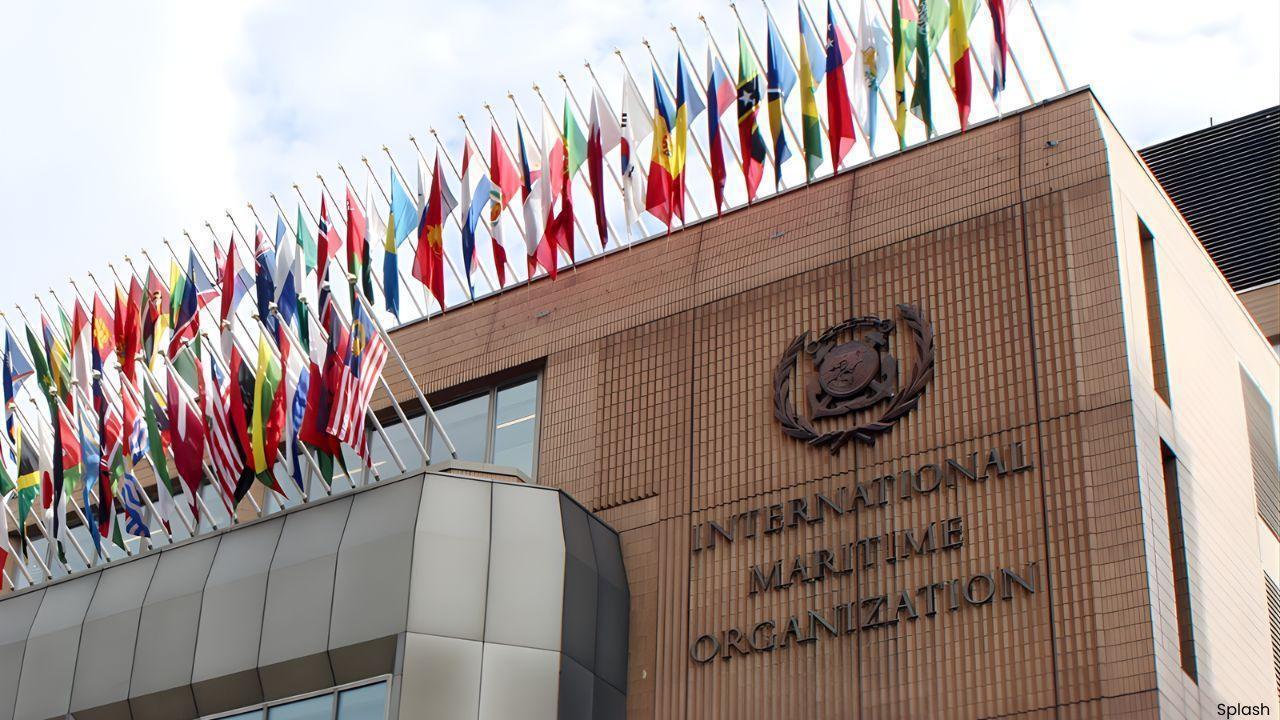
In a decisive move that signals growing urgency within the global shipping industry, the International Maritime Organization (IMO) is tightening ship registration rules amid a sharp rise in fraudulent flag operations, an issue that is increasingly threatening maritime safety, regulatory integrity, and international trade. What was once considered a fringe compliance problem has now evolved into a systemic risk, with hundreds of vessels operating under false identities, undermining the very foundation of global shipping governance. This regulatory push is not just about closing loopholes; it is about restoring trust in a system where every ship must have a verified nationality, accountability, and adherence to international law. As global trade continues to rely heavily on maritime routes, the IMO’s intervention marks a critical moment in safeguarding the credibility of international shipping.
The urgency behind this move stems from a rapid increase in vessels falsely flying the flags of countries without proper authorization, often using fraudulent registries and forged documentation to bypass regulatory scrutiny. Recent data highlights that hundreds of ships have been identified operating under false flags, with many linked to sanction evasion and shadow fleet activities.
These practices allow vessels to conceal ownership, avoid compliance checks, and operate without valid insurance or safety oversight. In many cases, fraudulent registries often run by unauthorized private entities issue certificates that give ships the appearance of legitimacy while effectively rendering them stateless in legal terms. This growing trend has raised serious concerns among regulators, insurers, and governments, as it increases the risk of accidents, environmental damage, and illegal trade activities.
In response, the IMO has approved new guidelines aimed at strengthening due diligence and transparency in ship registration processes, marking the first coordinated international effort to address this issue at scale. The framework focuses on ensuring that flag states implement stricter verification procedures, maintain accurate ownership records, and improve oversight of registry operations.
A key aspect of the guidelines is enhancing information sharing between nations, allowing authorities to detect fraudulent registrations more effectively and prevent vessels from slipping through regulatory cracks. By establishing clearer standards and accountability measures, the IMO is attempting to close a long-standing gap in maritime law, where inconsistent registration practices have enabled misuse of flags for years.
At its core, ship registration is the backbone of maritime governance, determining which country is responsible for enforcing safety standards, labor conditions, and environmental regulations on a vessel. When this system is compromised through fraudulent registrations, the entire chain of accountability collapses. Ships operating under false flags often evade inspections, ignore safety protocols, and bypass legal obligations, creating risks that extend far beyond individual vessels.
This issue is particularly critical in today’s geopolitical environment, where sanctions enforcement and global trade security are under intense scrutiny. Fraudulent flagging has become a key tool for vessels seeking to bypass restrictions, making it not just a regulatory concern but a strategic challenge for governments worldwide.
The IMO’s move is expected to trigger significant changes across the maritime industry, from shipowners and operators to insurers and port authorities. Stricter registration requirements will likely increase compliance costs and administrative scrutiny, but they also promise to enhance safety, reduce fraud, and improve confidence in global shipping systems.
For legitimate operators, this shift could level the playing field by eliminating unfair advantages enjoyed by non-compliant vessels. At the same time, it signals a broader trend toward digital verification, real-time monitoring, and data-driven enforcement in maritime operations ushering in a new era of transparency and accountability.
As the IMO moves to tighten ship registration rules, the message is clear: the era of unchecked flag misuse is coming to an end. This initiative represents more than a regulatory update, it is a decisive step toward rebuilding the integrity of global maritime systems in an increasingly complex and high-risk environment. The real impact will unfold in the coming years, as nations implement these guidelines and enforcement mechanisms strengthen across borders. But one thing is certain by addressing the growing threat of flag fraud today, the IMO is laying the foundation for a safer, more transparent, and more resilient global shipping industry tomorrow.
#trending #latest#IMO #ShippingFraud #FlagFraud #MaritimeSafety #GlobalShipping









Advances in Aerospace Technology and Commercial Aviation Recovery
Insights into breakthrough aerospace technologies and commercial aviation’s recovery amid 2025 chall

Defense Modernization and Strategic Spending Trends
Explore key trends in global defense modernization and strategic military spending shaping 2025 secu

Tens of Thousands Protest in Serbia on Anniversary of Deadly Roof Collapse
Tens of thousands in Novi Sad mark a year since a deadly station roof collapse that killed 16, prote

Canada PM Carney Apologizes to Trump Over Controversial Reagan Anti-Tariff Ad
Canadian PM Mark Carney apologized to President Trump over an Ontario anti-tariff ad quoting Reagan,

The ad that stirred a hornets nest, and made Canadian PM Carney say sorry to Trump
Canadian PM Mark Carney apologizes to US President Trump after a tariff-related ad causes diplomatic

Bengaluru-Mumbai Superfast Train Approved After 30-Year Wait
Railways approves new superfast train connecting Bengaluru and Mumbai, ending a 30-year demand, easi



